Public money down the drain? Shivamogga Airport faces flight suspension from November 21 as Star Air stops bookings
Three years after its inauguration by Prime Minister Narendra Modi, the airport could lose all commercial flight connectivity, raising questions over the long-term viability of regional airports and the UDAN model.
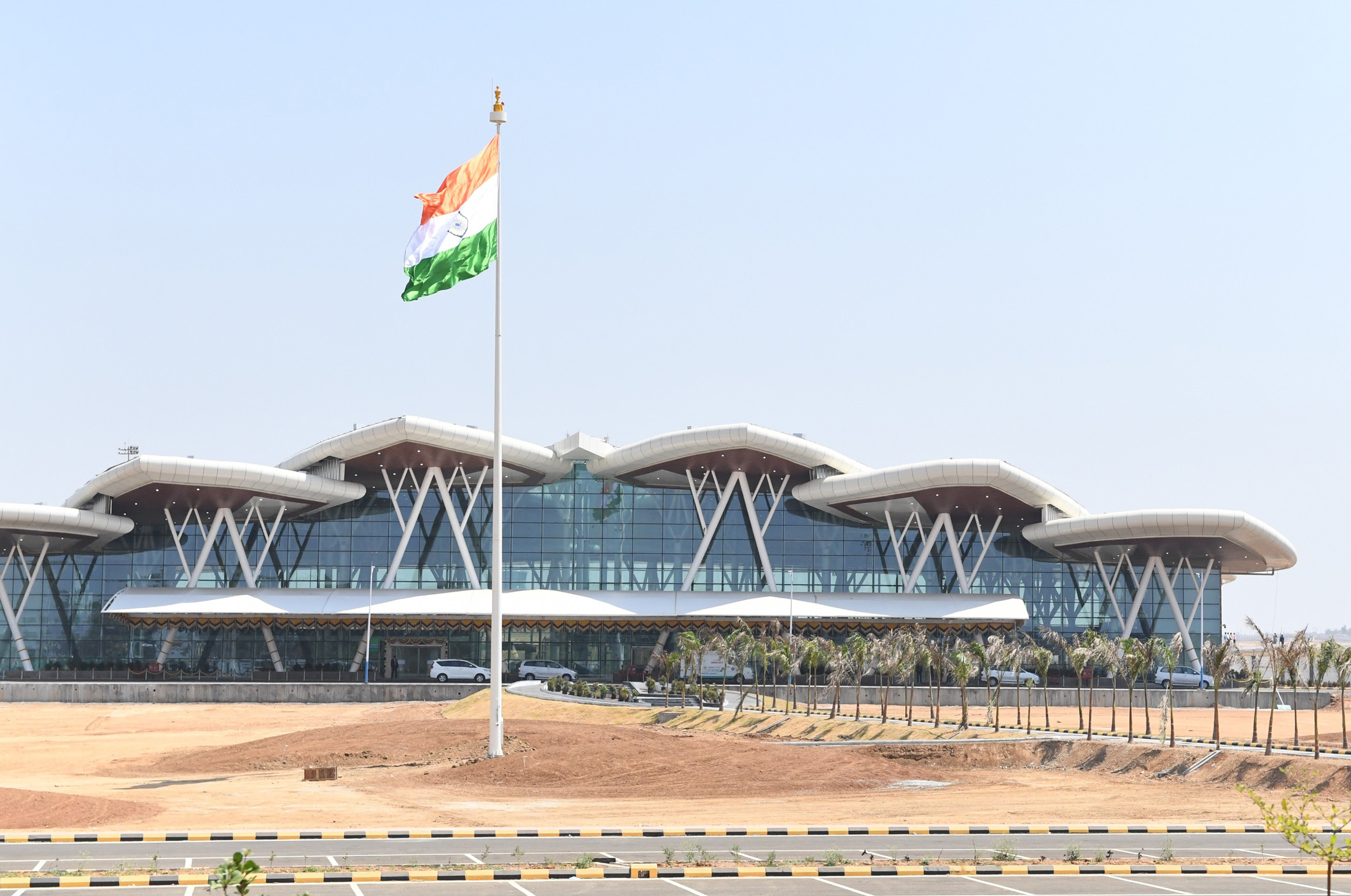
Shivamogga Airport in Karnataka is facing the prospect of losing all commercial flight services from November 21, with Star Air, the last remaining airline operating from the airport, reportedly stopping bookings beyond that date.
The development comes after IndiGo withdrew its Shivamogga–Bengaluru service from May 1, followed by SpiceJet suspending its operations from June 9. If Star Air also discontinues its services, the airport will be left without scheduled commercial flights.
Star Air has been operating services connecting Shivamogga with Hyderabad, Tirupati and Goa. Airport officials have indicated that the airline's decision is linked to the completion of the three-year financial assistance period under the Regional Connectivity Scheme (RCS-UDAN) on November 21. However, the airline has reportedly not formally communicated its decision to withdraw operations.
The airport was inaugurated by Prime Minister Narendra Modi in February 2023 and was developed at an estimated cost of ₹450–500 crore, excluding the wider value of the land. The possibility of the facility becoming temporarily inactive has raised concerns over the utilisation of public investment and the sustainability of regional air connectivity.
Shivamogga MP B.Y. Raghavendra has described the likely suspension as temporary and expressed hope that flight operations would resume within the next two months. He said the Centre was preparing the next phase of the UDAN scheme and that the Karnataka government had proposed additional routes from Shivamogga.
The Karnataka State Industrial Infrastructure Development Corporation (KSIIDC), which oversees the airport, has also proposed new routes under the revised scheme. According to reports, the tendering process for these routes is under way.
The developments at Shivamogga have revived a larger debate about the sustainability of the UDAN scheme, which was launched in 2016 to improve regional air connectivity and make air travel more accessible.
Under the original model, airlines received viability gap funding for three years to operate routes that might otherwise be commercially unviable. However, the withdrawal of subsidies has exposed the difficulty of sustaining some services when passenger numbers remain insufficient to support operations independently.
The problem is not confined to Shivamogga. A report published by The Economic Times in July 2026 noted that commercial flights had been discontinued on nearly half of the 669 routes that had become operational under UDAN since its launch.
The Centre has since introduced Modified UDAN, with a larger financial outlay and an extended five-year viability gap funding period for airlines. The revised framework also provides for operational and maintenance support for regional airports. Ministry of Civil Aviation
Shivamogga's predicament highlights an important lesson: building an airport is only the first step. Sustained airline participation, adequate passenger demand, competitive fares, convenient flight timings and reliable connections to major aviation hubs are equally important.
For the Malnad region, the loss of air services would be a setback for business travel, tourism and regional economic development. The immediate challenge for the Centre and Karnataka government will be to ensure that the airport's infrastructure does not remain underutilised and that viable air connectivity is restored.
More from Karnataka
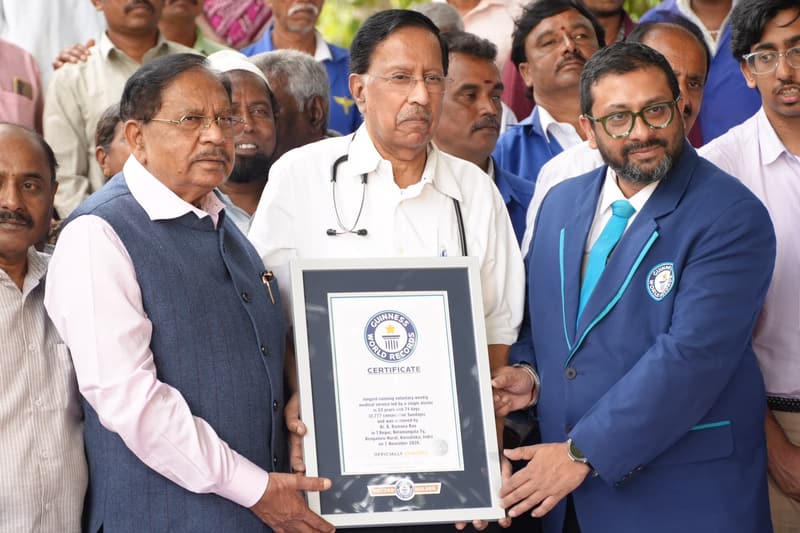
Padma Shri Dr B. Raman Rao enters Guinness World Records for treating over 33 lakh patients over 2777 Sundays
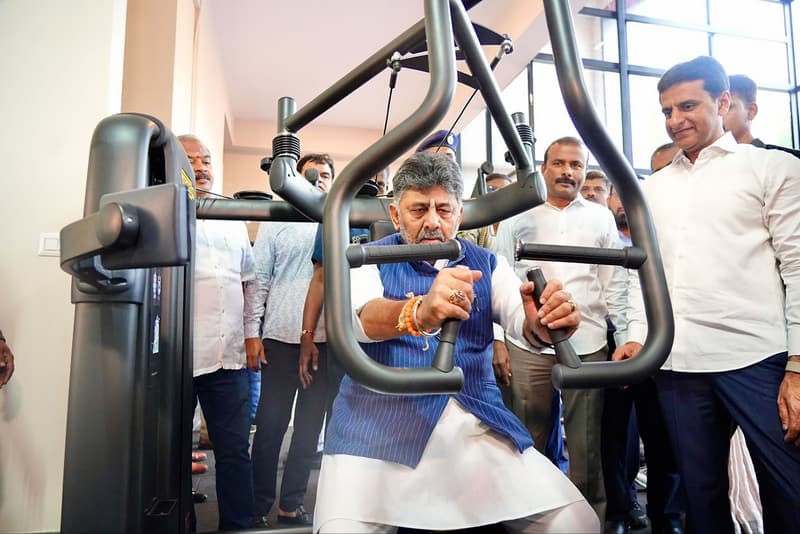
Karnataka CM Shivakumar inaugurates community hall with modern gym, badminton court in Bengaluru
BDA Chairman N.A. Haris joins citizens in Bengaluru Park cleanliness drive, calls for a green movement
More from Politics
Padma Shri Dr B. Raman Rao enters Guinness World Records for treating over 33 lakh patients over 2777 Sundays

Rahul Gandhi calls for rethinking democracy and economic models amid growing influence of tech giants