Ram Gopal Varma hails ‘Ramayana’ as a cinematic revolution, calls Yash’s Ravana a performance for the ages
Filmmaker Ram Gopal Varma has delivered an extraordinary endorsement of Nitesh Tiwari's Ramayana: Part 1, describing the mythological epic as a landmark achievement that could redefine the standards of Indian cinema. In an extensive social media review, Varma praised the film's visual grandeur, performances, music and storytelling, while strongly criticising reviewers who questioned its length, emotional depth and musical composition
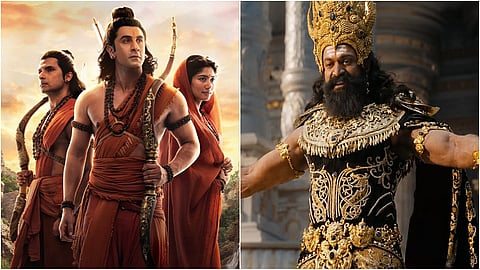
Varma, known for his unconventional opinions and outspoken criticism of the film industry, revealed that he had watched the film twice. Interestingly, he began his assessment by identifying himself as an atheist, emphasising that his appreciation came entirely from the perspective of a cinema enthusiast rather than religious devotion.
The filmmaker argued that critics who acknowledged the film's technical scale but complained about its emotional depth had failed to understand its artistic ambition. According to him, the emotional power of Ramayana lies precisely in the enormous scale and creative vision brought together by director Nitesh Tiwari, producer Namit Malhotra and their collaborators.
Varma reserved particular admiration for the film's visual effects and production design. He singled out the opening cosmic battle, the depiction of Ravana's ten heads, the imaginative forest sequences and the climactic Jatayu episode as examples of visual storytelling that pushed Indian cinema into previously unexplored territory. He suggested that the film's technical accomplishments made even some of Hollywood's biggest productions appear modest in comparison.
A significant portion of Varma's review was devoted to Kannada superstar Yash's portrayal of Ravana. Calling it one of the most electrifying performances he had witnessed in decades, Varma praised the actor for presenting Ravana as a complex personality shaped by intelligence, penance, ambition, devotion to Shiva and internal conflict.
He credited writer Sridhar Raghavan for developing Ravana's psychological dimensions and highlighted the sequence in which the character deliberates with his ten heads before deciding to abduct Sita. Varma argued that Yash's portrayal elevated Ravana beyond the conventional image of a villain, making him central to the dramatic conflict between good and evil.
Turning to Ranbir Kapoor's portrayal of Lord Rama, Varma defended the actor against criticism that his performance lacked emotional variation. He argued that Rama's character demanded restraint, composure and moral certainty rather than constant emotional expression. According to Varma, the character's strength lay in his ability to control his emotions while remaining unwavering in his principles.
The filmmaker also praised the musical collaboration between Hollywood composer Hans Zimmer and Oscar-winning Indian composer A.R. Rahman. He observed that the background score complemented the visuals without overwhelming them and that the music strengthened the emotional significance of the characters' decisions. He particularly appreciated the compositions accompanying the Tandav sequences and aerial combat scenes.
Varma rejected criticism of the film's duration, arguing that a story of such magnitude required sufficient time to establish its characters, conflicts and moral stakes. He praised Tiwari for resisting the temptation to reduce the epic to a conventional commercial action entertainer and instead creating a film capable of appealing to families, younger audiences and viewers in smaller towns.
Drawing comparisons with international blockbusters such as The Lord of the Rings and Avatar, Varma maintained that Ramayana had achieved something distinctive by drawing upon India's own literary and cultural heritage rather than imitating Hollywood storytelling traditions.
He was particularly harsh towards negative reviews, suggesting that critics had failed to appreciate the magnitude of the creative achievement. Varma described the film as a monumental accomplishment whose ambition and execution should be celebrated rather than judged through conventional rating systems.
Concluding his assessment, Varma predicted that Ramayana: Part 1 would establish a new benchmark for Indian filmmaking, against which future large-scale productions would inevitably be measured. He went a step further by suggesting that the only film capable of surpassing its achievement would be its own sequel, Ramayana: Part 2.
The unusually enthusiastic review from Varma, a filmmaker who has frequently challenged mainstream cinematic conventions, adds another prominent voice to the discussion surrounding the scale, ambition and artistic merits of Tiwari's mythological production.
More from Beyond Dakshin
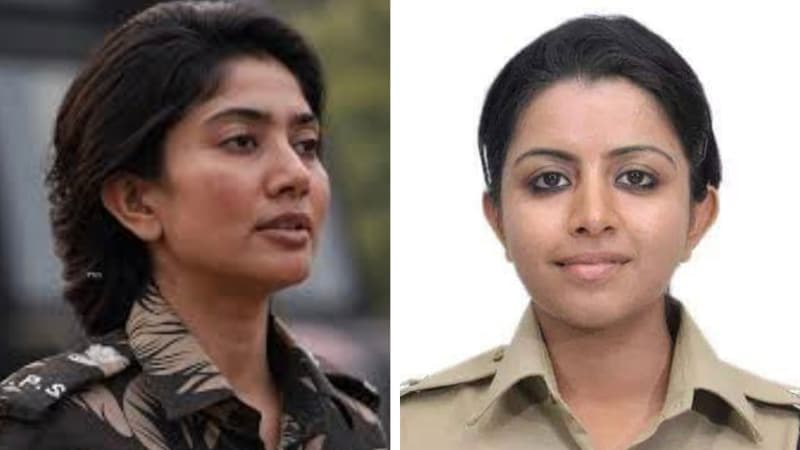
Sai Pallavi cuts her hair for ‘OM’, takes inspiration from IPS officer Merin Joseph; mother reacts in shock
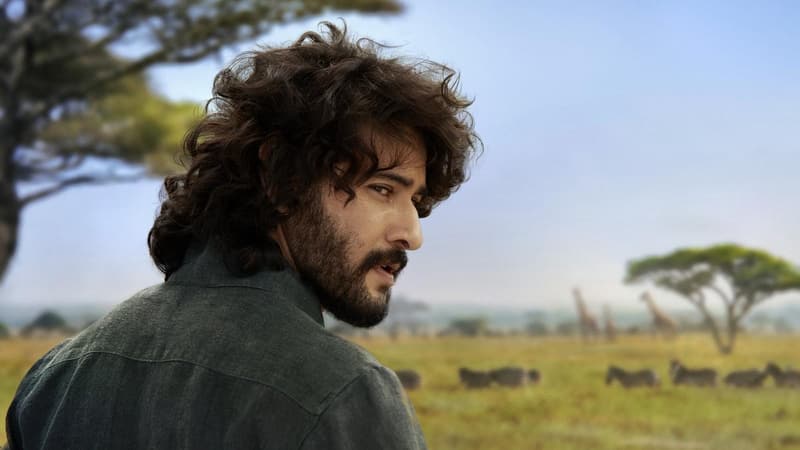
Mahesh Babu–Rajamouli’s ‘Varanasi’ eyes record ₹290 crore Telugu States deal, set to surpass ‘RRR’
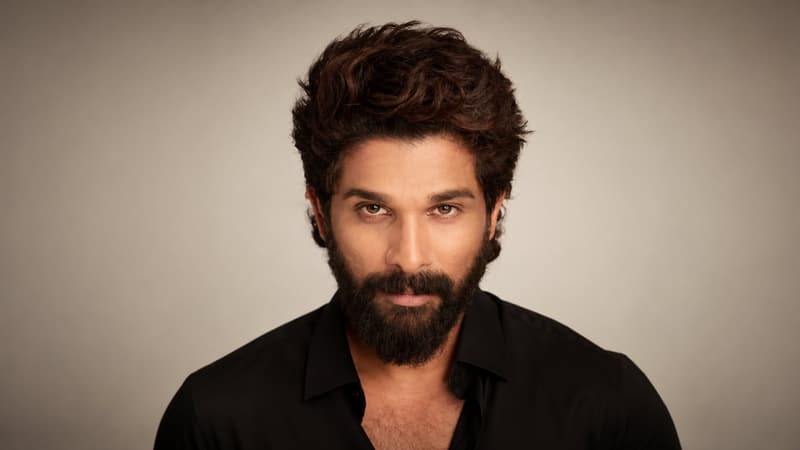
Allu Arjun lines up mythological pan-India spectacle with Boyapati Sreenu after ‘Raaka’!
More from Entertainment
Sai Pallavi cuts her hair for ‘OM’, takes inspiration from IPS officer Merin Joseph; mother reacts in shock
Mahesh Babu–Rajamouli’s ‘Varanasi’ eyes record ₹290 crore Telugu States deal, set to surpass ‘RRR’