Ramayana debate spills onto social media as Ambedkarite voices question portrayal of ‘Maryada Purushottam’
The success and public discussion surrounding Ramayana: Part 1 have opened up a wider debate on the epic’s cultural, moral and social interpretations, with social media witnessing contrasting perspectives on the portrayal of Lord Rama.
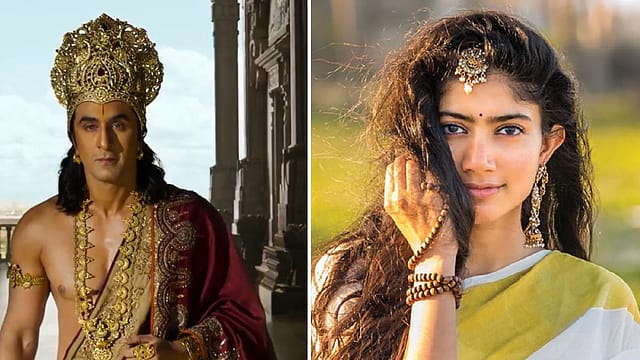
While many viewers are celebrating the film for showcasing India’s cultural heritage and presenting Rama as Maryada Purushottam — the ideal man who embodies righteousness and moral conduct — some Ambedkarite voices have raised questions about this traditional characterisation, invoking the writings and views of Dr B.R. Ambedkar.
One prominent account, The Dalit Voice (@ambedkariteIND), posted an argument attributed to Ambedkar, identifying five episodes from the Ramayana that it believes raise questions about Rama’s moral idealisation:
* The killing of Vali: Rama’s role in killing Vali while he was engaged in combat with Sugriva.
* Sita’s Agni Pariksha: The trial by fire associated with the question of Sita’s purity.
* Sita’s exile: Rama’s decision to send his pregnant wife away to the forest.
* Sita’s final ordeal: Her decision to return to the earth rather than continue to face humiliation.
* The killing of Shambuka: The episode in the Uttara Kanda in which Rama kills Shambuka for undertaking penance.
The account argues that these episodes are incompatible with the idea of Rama as an ideal man when examined through the principles of morality and justice. Similar critical perspectives have also been circulated by other social media accounts, including @Seekerg11.
The debate has a basis in Ambedkar’s published writings. His Riddles in Hinduism includes an appendix titled The Riddle of Rama and Krishna, in which he critically examines traditional religious narratives and their moral implications.
The criticism has, however, triggered a counter-reaction from sections of social media users who describe themselves as defenders of Hinduism. Instead of limiting the disagreement to the historical, religious and philosophical arguments, some users have reportedly resorted to attacking those sharing Ambedkarite interpretations.
This has opened up another uncomfortable dimension to the debate: whether invoking Ambedkar's writings to question religious narratives should invite personal attacks and online hostility.
The disagreement is not merely about how one interprets the Ramayana. It also concerns the space available in a democratic society for different readings of religious texts, including interpretations that may be uncomfortable for sections of believers.
The popularity of Ramayana: Part 1 has brought renewed attention to the epic, its characters and the values associated with them. For many, Rama represents righteousness, duty, sacrifice and the ideal of Maryada Purushottam. For others, particular episodes in the epic raise difficult questions about justice, gender and social hierarchy.
Both the cultural celebration of the Ramayana and the examination of Ambedkar's critique are part of a larger conversation about India's intellectual and social traditions.
People are free to disagree with Ambedkar's interpretation, challenge the historical or textual basis of his arguments, and defend their understanding of Rama. But disagreement cannot become a justification for intimidation or abuse.
If India takes pride in its civilisational heritage, it must also have the confidence to accommodate questions about that heritage. Faith should not require the suppression of debate, and criticism should not become an excuse for insulting believers.
The real test of a mature society is not whether everyone agrees, but whether people with sharply different beliefs can debate without resorting to hostility.
More from Beyond Dakshin
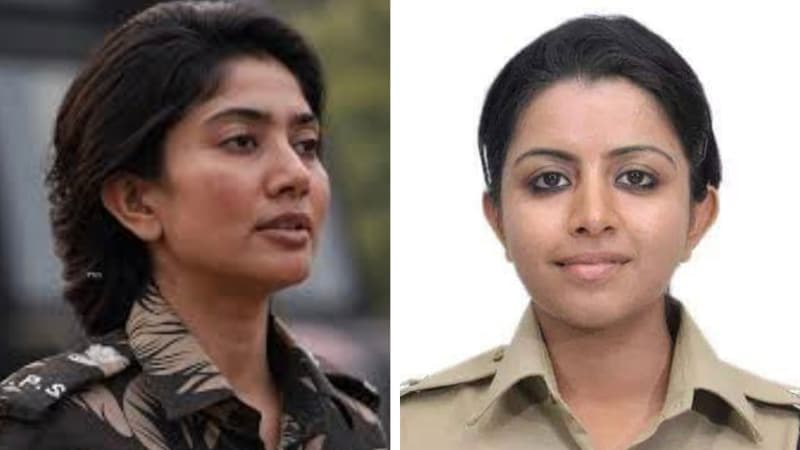
Sai Pallavi cuts her hair for ‘OM’, takes inspiration from IPS officer Merin Joseph; mother reacts in shock
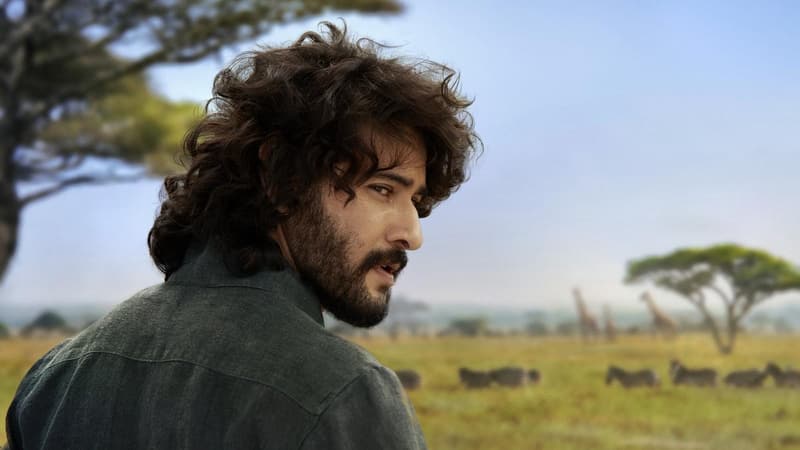
Mahesh Babu–Rajamouli’s ‘Varanasi’ eyes record ₹290 crore Telugu States deal, set to surpass ‘RRR’
Allu Arjun lines up mythological pan-India spectacle with Boyapati Sreenu after ‘Raaka’!
More from Politics
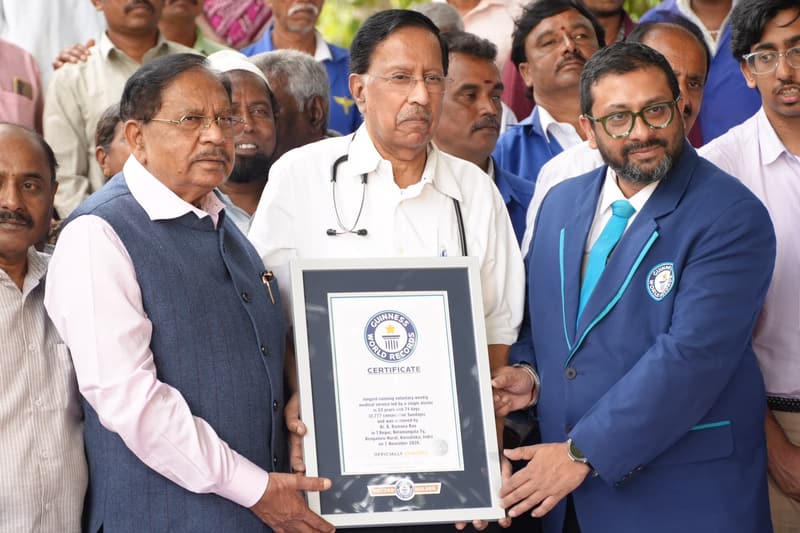
Padma Shri Dr B. Raman Rao enters Guinness World Records for treating over 33 lakh patients over 2777 Sundays
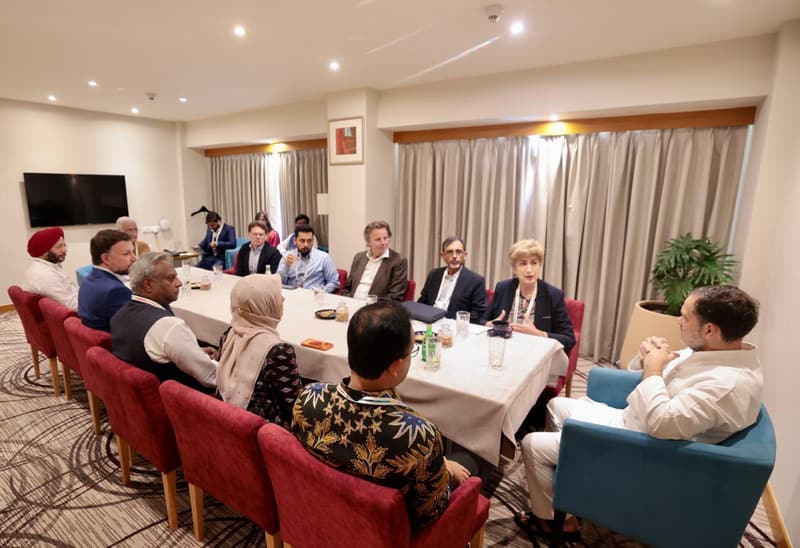
Rahul Gandhi calls for rethinking democracy and economic models amid growing influence of tech giants