‘Ramayana’ sparks a battle of beauties as fans celebrate Sai Pallavi, Kajal Aggarwal and Rakul Preet
The grand scale and technical excellence of Ramayana have become major talking points, with audiences and film enthusiasts discussing the film’s visual presentation, production values and appeal to viewers across the world. Released in multiple languages, the film is also generating considerable box-office interest.
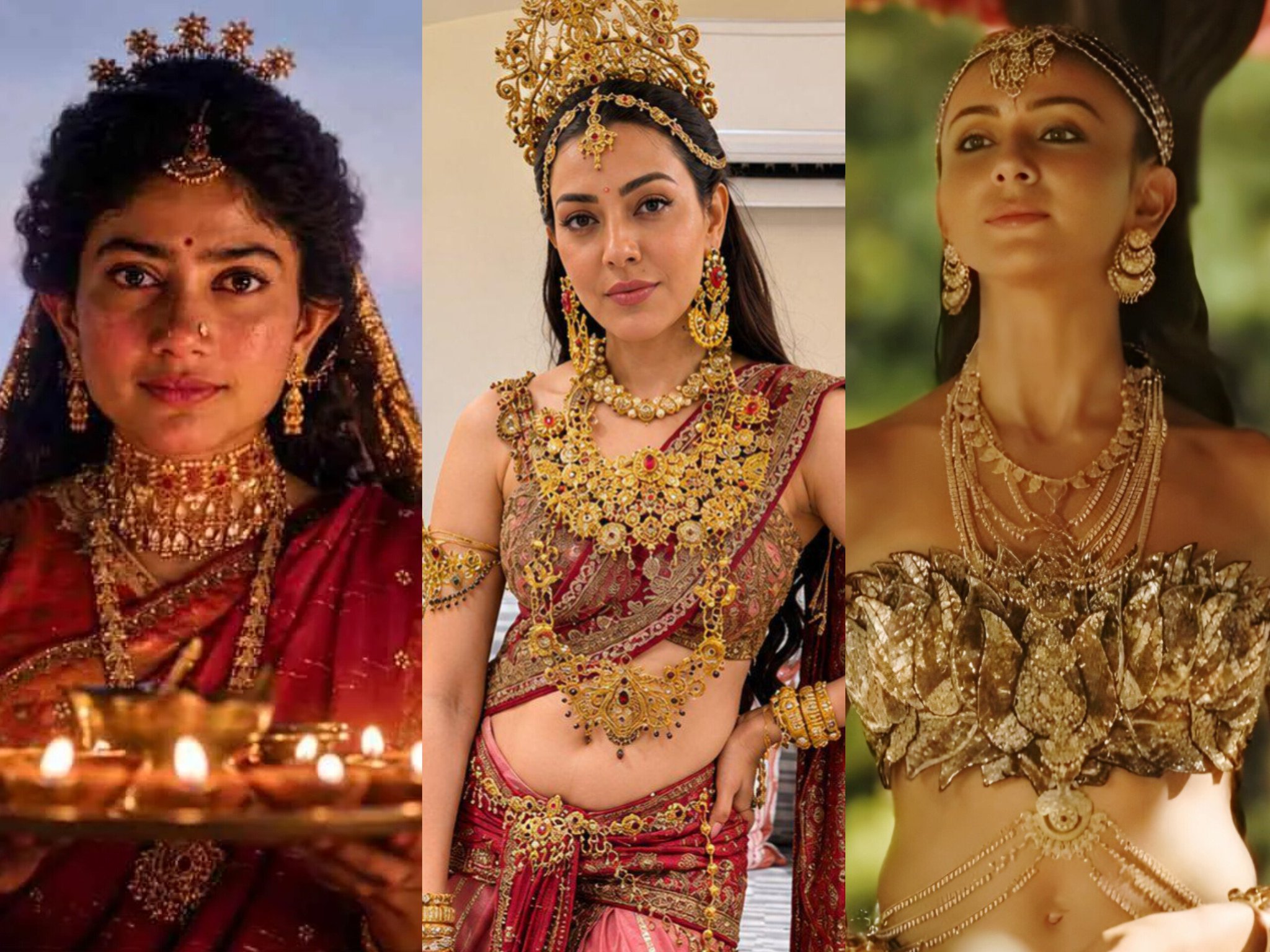
Beyond its scale and technical achievements, the film’s aesthetic presentation of its characters has emerged as another subject of discussion. The way the leading female characters have been designed and brought to the screen has attracted particular attention.
Sai Pallavi plays Mata Sita, Kajal Aggarwal portrays Mandodari, the wife of Ravana, while Rakul Preet Singh appears as Shurpanakha, Ravana’s sister. Their appearances, costumes, jewellery and overall screen presentation have prompted considerable appreciation on social media.
However, as is often the case with films featuring popular stars, the discussion has taken an interesting turn. Fans of the three actresses have begun highlighting their respective favourites, sharing photographs and visuals while praising the way each character has been portrayed.
Supporters of Sai Pallavi are celebrating her portrayal of Mata Sita, while Kajal Aggarwal’s fans are drawing attention to her regal appearance as Mandodari. Rakul Preet Singh’s admirers, meanwhile, are highlighting her transformation into Shurpanakha.
What began as appreciation of the film’s artistic treatment of characters has gradually turned into a friendly contest among fan communities, with each group making a case for its favourite actress.
It is an interesting social media phenomenon: even in a film rooted in India's cultural heritage and the epic narrative of the Ramayana, fans have found another subject to debate — who looks the most striking on screen.
The conversations underline how the visual presentation of characters, alongside performances and technical craftsmanship, can become a significant part of a film’s public appeal.
More from Beyond Dakshin
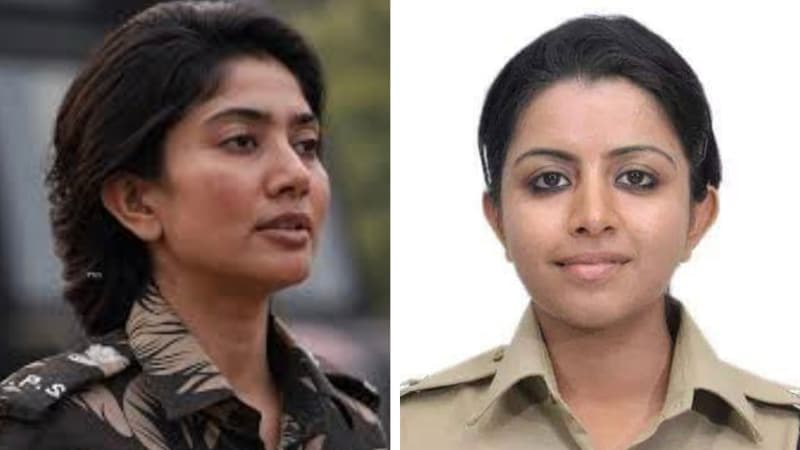
Sai Pallavi cuts her hair for ‘OM’, takes inspiration from IPS officer Merin Joseph; mother reacts in shock
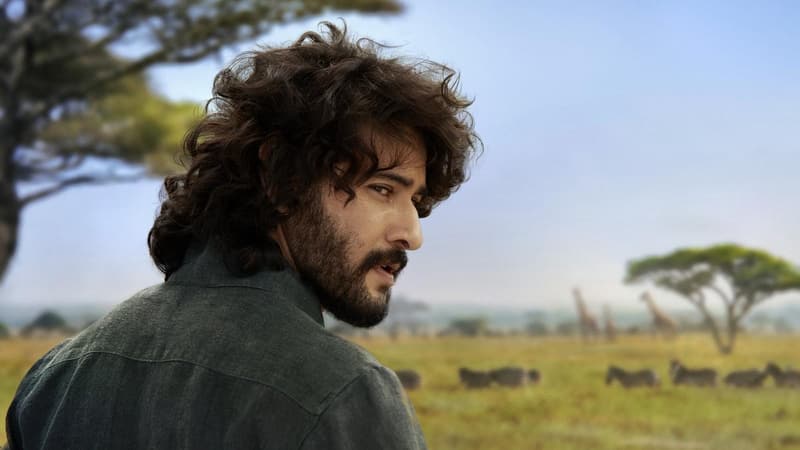
Mahesh Babu–Rajamouli’s ‘Varanasi’ eyes record ₹290 crore Telugu States deal, set to surpass ‘RRR’
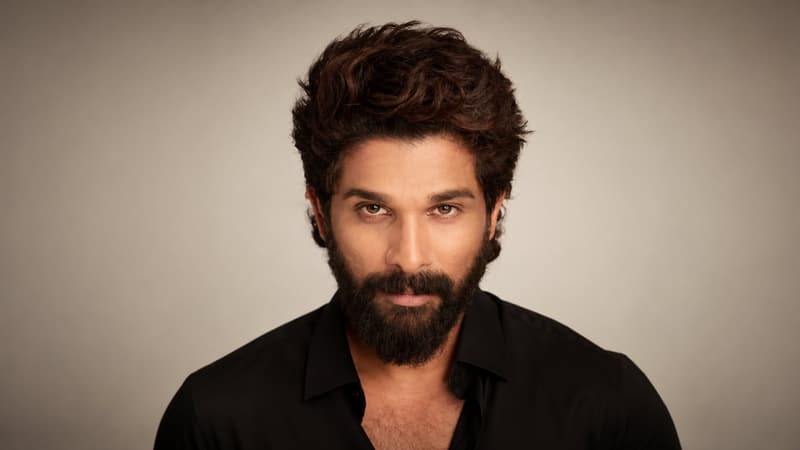
Allu Arjun lines up mythological pan-India spectacle with Boyapati Sreenu after ‘Raaka’!
More from Entertainment
Sai Pallavi cuts her hair for ‘OM’, takes inspiration from IPS officer Merin Joseph; mother reacts in shock
Mahesh Babu–Rajamouli’s ‘Varanasi’ eyes record ₹290 crore Telugu States deal, set to surpass ‘RRR’