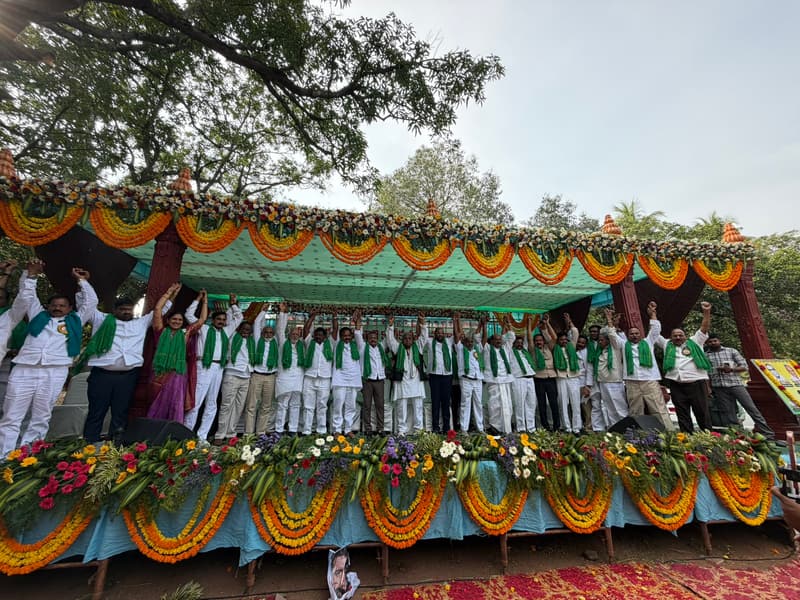
Red flag flies high! CPI(M) makes inroads in Andhra Pradesh's tribal belt winning Munchingiputtu ZPTC
The Communist Party of India (Marxist) has registered a significant electoral victory in the tribal regions of Andhra Pradesh, winning the Munchingiputtu Zilla Parishad Territorial Constituency (ZPTC) seat in Alluri Sitarama Raju district and putting up competitive performances in several other constituencies
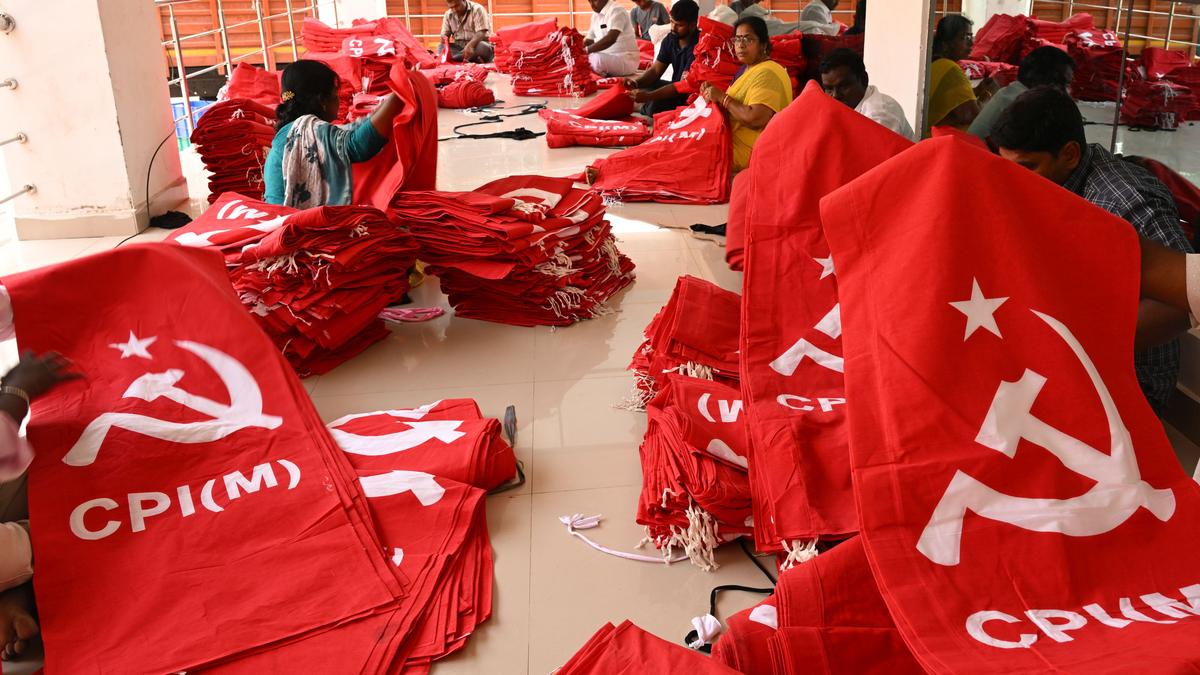
CPI(M) candidate Korra Trinadh secured 10,161 votes in Munchingiputtu, defeating the YSR Congress Party (YSRCP) candidate by a margin of 3,426 votes. The YSRCP nominee, a former Zilla Parishad Chairperson of undivided Visakhapatnam district, received 6,735 votes.
The victory is being viewed by the CPI(M) as an indication of its continued organisational presence and growing electoral support among Adivasi communities in the Agency areas, where issues relating to land ownership, forest rights, displacement and livelihood protection remain central to local politics.
Apart from its victory in Munchingiputtu, the CPI(M) finished second in two other constituencies. In G.K. Veedhi, party candidate A. Bujji Babu secured 5,193 votes, while Lotha Rama Rao polled 5,254 votes in Rajavommangi. The party also reported substantial support in Araku Valley, Dumbriguda and V.R. Puram, although constituency-wise vote totals for these areas were not provided.
The results suggest that the CPI(M) continues to maintain pockets of electoral influence in the tribal belt despite the dominance of the Telugu Desam Party-led alliance and the YSRCP in Andhra Pradesh's wider political landscape.
The CPI(M) has attributed its performance to sustained campaigns addressing the concerns of tribal communities, particularly those involving land rights, forest resources, rehabilitation and constitutional protections. The party has historically opposed bauxite mining proposals and hydropower projects that it argues could threaten tribal settlements, agricultural lands and traditional livelihoods.
One of its longstanding demands has been the restoration of Government Order No. 3, which provided for reservation of teaching posts in Scheduled Areas for local Scheduled Tribe candidates. The Supreme Court struck down the order in 2020, prompting tribal organisations and Left parties to demand alternative legal measures to protect employment opportunities for Adivasi youth.
The party has also campaigned for land titles for tribal families cultivating podu lands, a traditional form of cultivation practised in forest regions. Disputes over forest land ownership and recognition of cultivation rights have remained contentious issues in several Agency areas.
Another major concern raised by the CPI(M) involves families displaced by the Polavaram irrigation project. The party has demanded adequate compensation, rehabilitation and livelihood support for affected tribal households, arguing that displacement should not deprive communities of their traditional sources of income.
The CPI(M) has additionally defended the protections provided under the Andhra Pradesh Scheduled Areas Land Transfer Regulation, commonly known as the 1/70 Act. The legislation restricts the transfer of tribal lands to non-tribals in Scheduled Areas and is considered an important legal safeguard against alienation of Adivasi land.
In the education sector, the party has called for a Special District Selection Committee (DSC) recruitment process to fill teaching vacancies in tribal areas, maintaining that local recruitment would improve educational access while creating employment opportunities for qualified tribal candidates.
The Munchingiputtu victory is particularly important for the CPI(M), which has faced declining electoral representation in Andhra Pradesh over the years but continues to retain an organisational network in parts of the tribal belt.
While the reported results indicate a competitive performance in several constituencies, the extent of any wider electoral shift will depend on comparisons with previous election results and the party's ability to sustain its support.
For the CPI(M), the outcome provides renewed political momentum in the Agency areas and an opportunity to strengthen its campaigns on tribal welfare, land rights, employment and rehabilitation.
More from Andhra Pradesh
Shree Cement unveils ₹7,000 crore investment plans for three cement plants in Andhra Pradesh

AP plans ₹25,000 crore space manufacturing ecosystem, secures major investments in rocket technology

Manchu Manoj named Andhra Yuva Sankalp 2K26 Ambassador; initiative reaches all 28 AP districts
More from Politics
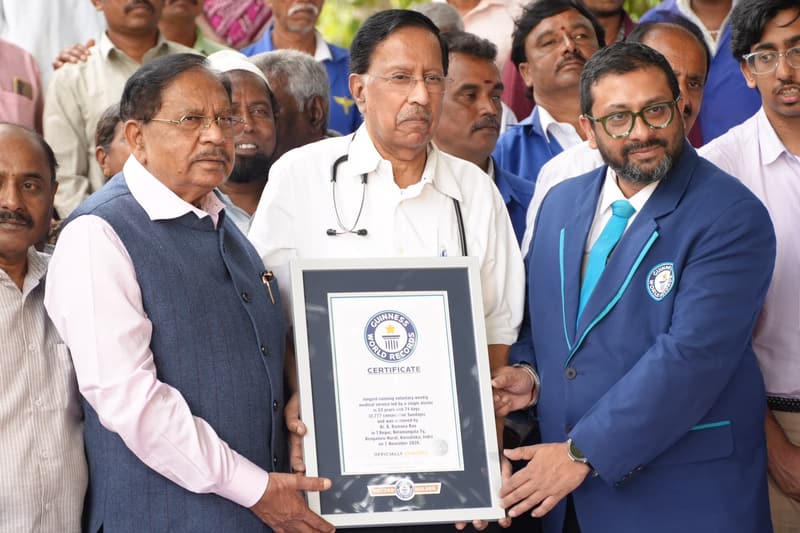
Padma Shri Dr B. Raman Rao enters Guinness World Records for treating over 33 lakh patients over 2777 Sundays

Rahul Gandhi calls for rethinking democracy and economic models amid growing influence of tech giants