Religion divided, Humanity united: Muslim brothers perform Hindu mother's last rites in Keralam
In a moving demonstration of communal harmony, two Muslim brothers in Keralam's Wayanad district performed the last rites of an 85-year-old Hindu woman whom they had cared for as their own mother for nearly five decades. Their extraordinary gesture has drawn widespread appreciation, including praise from Chief Minister V.D. Satheesan, who described the incident as an embodiment of the state's tradition of compassion and religious coexistence
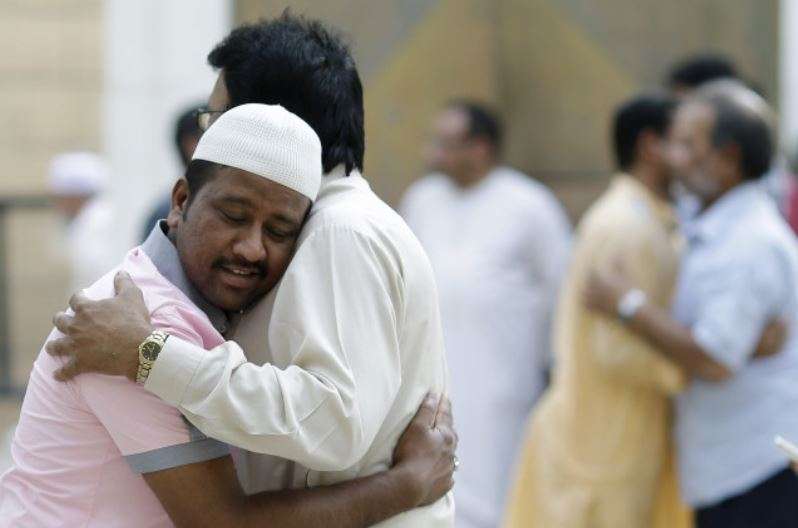
The story unfolded at Chithragiri in Muppainad panchayat, where Kalyani Amma, an elderly Hindu woman without children or close relatives, had developed a deep familial bond with her Muslim neighbours, Razak and Sulaiman. What began as a relationship between neighbours gradually evolved into one of affection, responsibility and mutual belonging that transcended religious identities.
For nearly 50 years, the brothers and their family treated Kalyani Amma as one of their own. As advancing age and illness made everyday life increasingly difficult for her, they attended to her daily needs, arranged medicines and accompanied her to hospitals whenever necessary. She was also included in their family celebrations, becoming an inseparable part of their household.
Kalyani Amma regarded Razak and Sulaiman as her sons and had expressed a heartfelt wish that they should perform her funeral rites after her death. When she passed away, the brothers honoured that request without hesitation. Respecting her religious beliefs, they conducted the funeral according to Hindu traditions, lighting her funeral pyre at a local crematorium and ensuring that her final journey was marked by dignity and affection.
Moved by the incident, Chief Minister V.D. Satheesan took to social media on Wednesday, November 11, to commend the brothers. "This is the Keralam I know, love and believe in," he wrote, describing their actions as a powerful reminder that human relationships are not confined by religious or caste identities.
"A mother's love does not check religion. A son's duty does not ask about caste. And grief, like love, belongs to all of us equally," Satheesan observed, paying tribute to the brothers for fulfilling Kalyani Amma's final wish with the affection and responsibility of her own children.
The Chief Minister also personally telephoned Razak to express his appreciation and gratitude for the family's gesture. He reportedly assured the brothers that he would meet them during his next visit to Wayanad. Referring to a newspaper account of the incident, Satheesan said its description of Kalyani Amma's departure, wrapped in the affection of humanity, had deeply moved him.
The incident has attracted attention at a time when religious differences frequently dominate public discourse. For Kalyani Amma, however, the distinction between Hindu and Muslim held little significance in determining who constituted her family. The two men who cared for her throughout her later years were also the ones who stood beside her at the end of her life.
The story of Razak, Sulaiman and Kalyani Amma offers a reminder that communal harmony is not merely an ideal expressed in public speeches but a value demonstrated through everyday acts of kindness, responsibility and mutual respect. In a small village in Wayanad, two brothers have shown how compassion can overcome boundaries that society often considers insurmountable.
More from Kerala
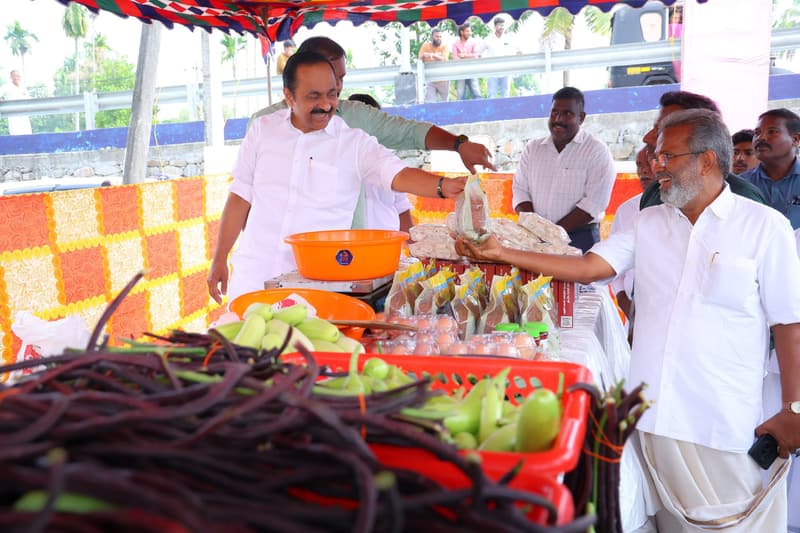
Keralam CM V. D. Satheesan inaugurates farm tourism project at Chathanad village hub
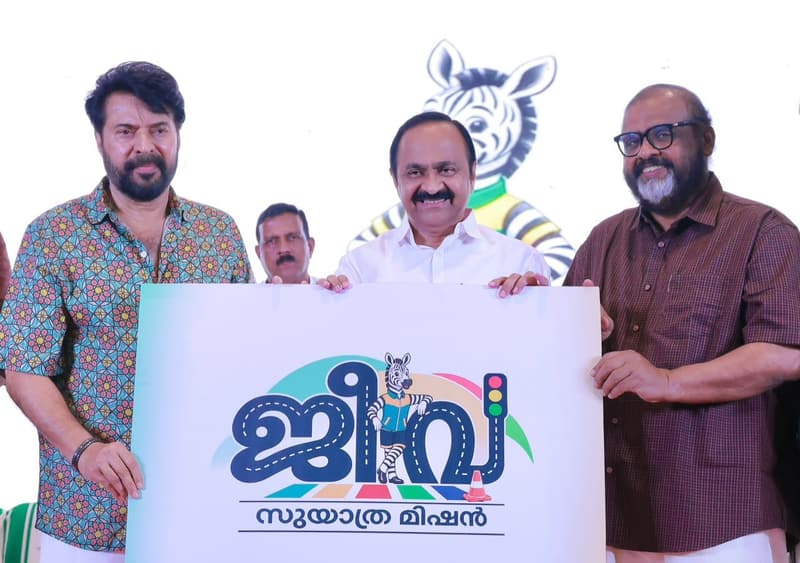
Mammootty named Brand Ambassador for Keralam’s ‘Jeeva Suyathra Mission’ to cut road accident deaths by 50%
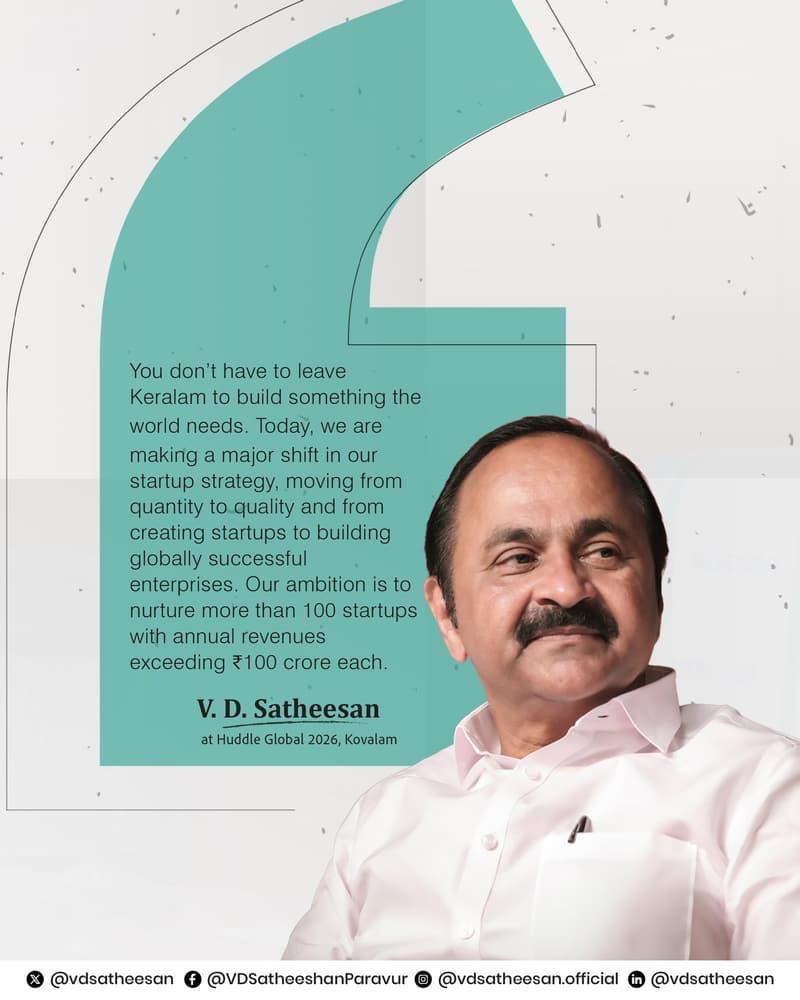
Keralam unveils scale-up mission, targets 100 startups with ₹100 crore annual revenue each
More from Politics
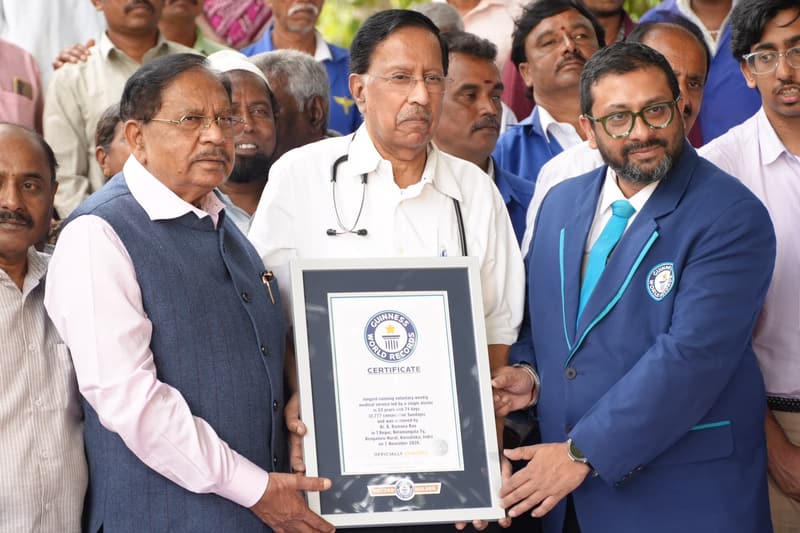
Padma Shri Dr B. Raman Rao enters Guinness World Records for treating over 33 lakh patients over 2777 Sundays
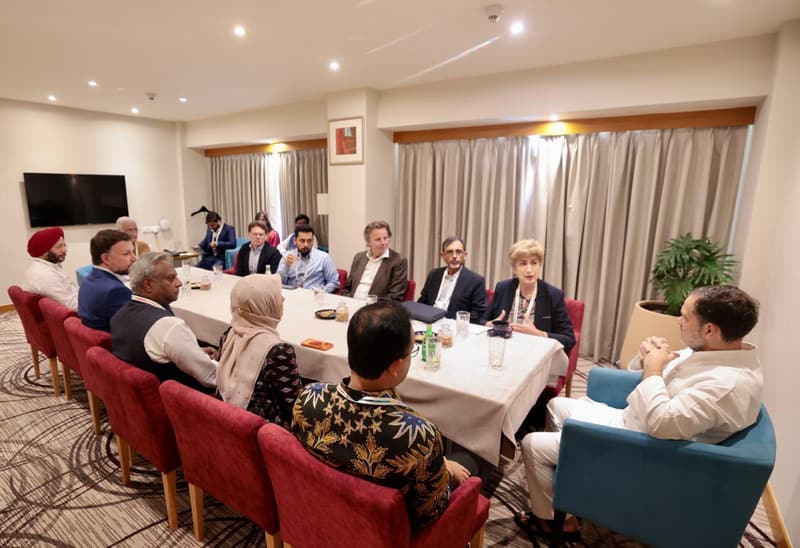
Rahul Gandhi calls for rethinking democracy and economic models amid growing influence of tech giants