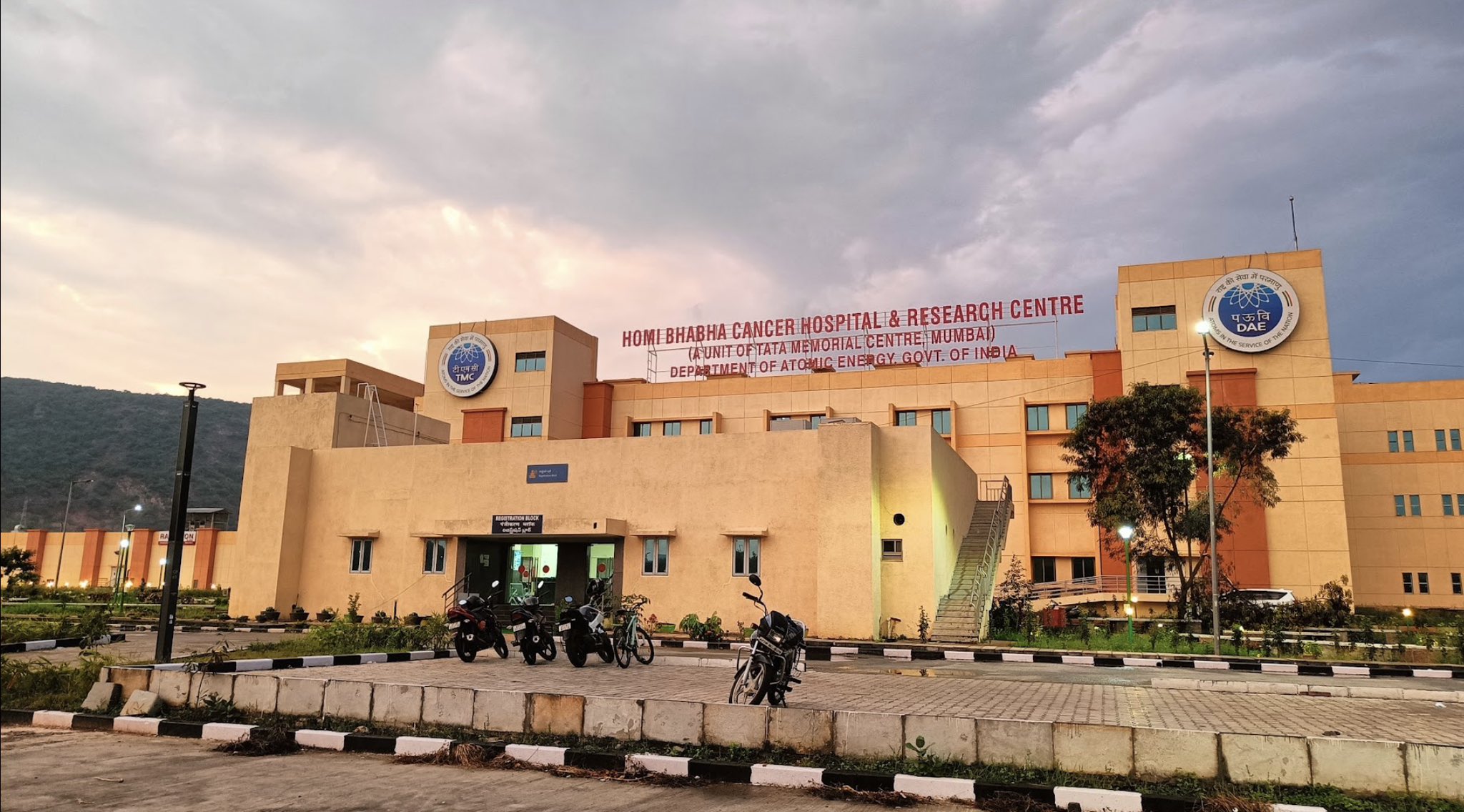
Robotic cancer surgery facility inaugurated at Homi Bhabha Cancer Hospital in Visakhapatnam
Access to advanced cancer surgery in Andhra Pradesh is set to receive a boost with the inauguration of a robotic surgery facility at Homi Bhabha Cancer Hospital and Research Centre (HBCH&RC), Visakhapatnam. The hospital has also successfully performed its first procedure using the new facility, marking an important step in expanding its surgical capabilities.
The equipment was provided with support from NTPC Simhadri under its Corporate Social Responsibility (CSR) initiative). The investment is intended to strengthen the hospital’s ability to offer specialised cancer treatment using advanced surgical technology.
Robotic-assisted surgery can give surgeons greater precision, control and flexibility while performing certain complex procedures. Depending on the type of cancer, its location and the patient's condition, this approach may enable minimally invasive surgery, potentially reducing the size of incisions and supporting recovery. However, the suitability and benefits of robotic surgery vary from patient to patient.
The robotic surgery system was supported by NTPC Simhadri as part of its CSR activities. The facility is intended to make advanced surgical treatment available to eligible patients at the Visakhapatnam centre, including beneficiaries covered under the Dr NTR Vaidya Seva scheme, subject to the scheme's applicable terms.
The hospital is part of Tata Memorial Centre under the Department of Atomic Energy, Government of India. It provides multidisciplinary cancer care and serves patients from Andhra Pradesh and neighbouring states. The centre reported treating more than 9,000 newly registered cancer patients in 2025, reflecting its role in meeting the region's specialised oncology needs.
The introduction of robotic surgery adds another treatment option to the hospital's existing cancer-care services. Its wider impact will depend on the number and types of procedures performed, patient eligibility, affordability and the availability of trained clinical teams.
The development is significant for patients who may otherwise need to travel to larger metropolitan centres for certain specialised procedures. By supporting advanced technology at a public-sector cancer institution, the initiative seeks to strengthen access to specialised care within the region.
More from Andhra Pradesh
Shree Cement unveils ₹7,000 crore investment plans for three cement plants in Andhra Pradesh

AP plans ₹25,000 crore space manufacturing ecosystem, secures major investments in rocket technology

Manchu Manoj named Andhra Yuva Sankalp 2K26 Ambassador; initiative reaches all 28 AP districts
More from Dakshin
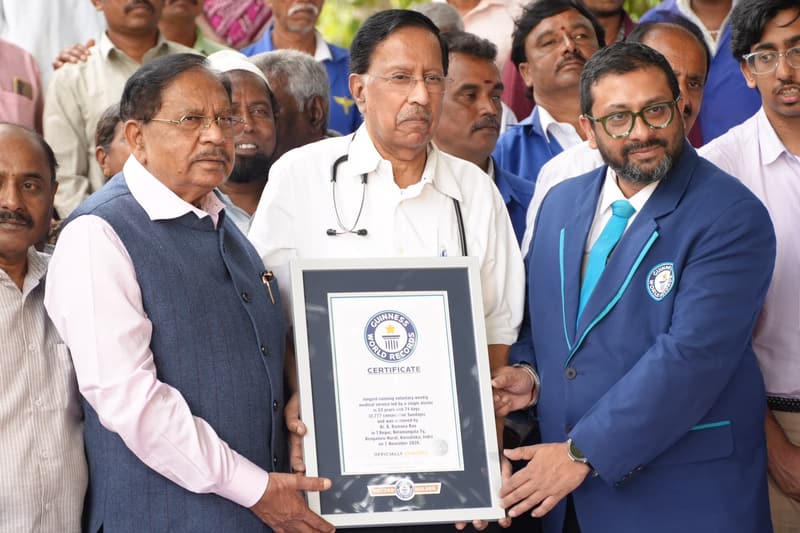
Padma Shri Dr B. Raman Rao enters Guinness World Records for treating over 33 lakh patients over 2777 Sundays
Shree Cement unveils ₹7,000 crore investment plans for three cement plants in Andhra Pradesh