Rupee Stages Dramatic Comeback as $16 Billion Foreign Investment Flows into India
After months of sustained depreciation against the US dollar, the Indian rupee has staged a significant recovery in November 2026, supported by renewed foreign investment, softer crude oil prices and measures undertaken by the Reserve Bank of India (RBI)
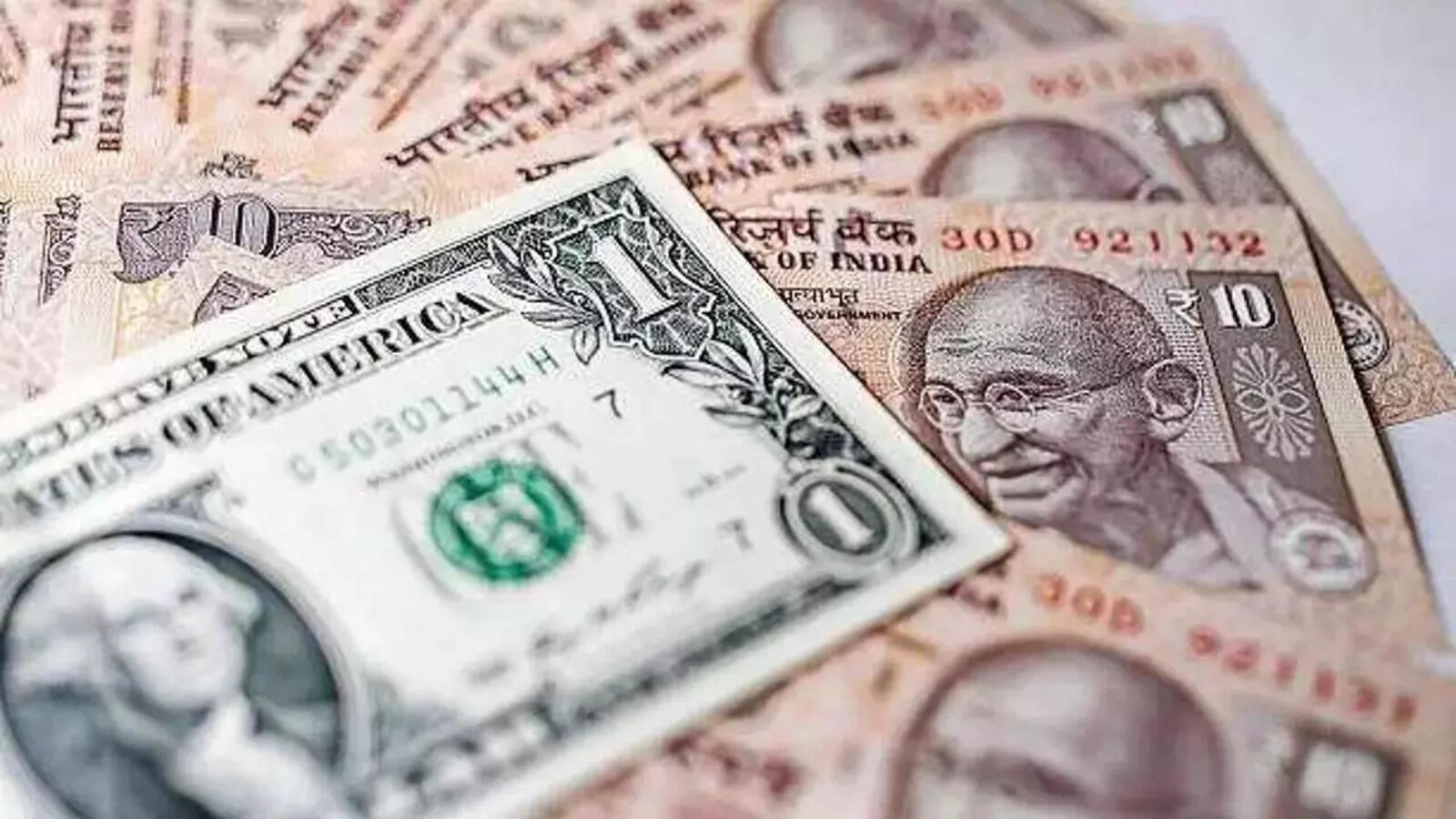
The Indian currency strengthened from a historic low of ₹96.96 against the dollar in late May to ₹92.24 on November 26, marking a recovery of more than five per cent. However, it surrendered some of those gains on Friday, closing at ₹92.99 against the dollar.
The most significant factor driving the recovery has been the return of foreign institutional investors to Indian equity markets. Overseas investors have pumped approximately $16 billion into Indian stocks during November, reversing part of the substantial capital outflows witnessed earlier this year.
The renewed foreign investment has increased dollar availability in domestic currency markets, strengthening demand for the rupee. Changing global investment preferences, particularly concerns surrounding valuations of artificial intelligence and technology stocks, have also contributed to renewed overseas interest in Indian equities.
The unexpected appreciation has prompted currency traders and offshore hedge funds to unwind speculative positions taken against the rupee, providing further momentum to its recovery.
Moderating international crude oil prices have also supported the Indian currency. As India depends heavily on imported crude oil, lower energy prices reduce dollar demand and ease pressure on the country's import expenditure and current account deficit.
The RBI's intervention strategy has played an important role in stabilising the currency. Measures introduced in October to curb speculative foreign exchange positions helped contain depreciation. Reuters reported that the central bank has subsequently allowed the rupee to appreciate without aggressively purchasing dollars to replenish its foreign exchange reserves.
A stronger rupee could benefit Indian businesses dependent on imported raw materials, reduce imported inflation and lower expenditure for students pursuing overseas education and Indians travelling abroad. However, exporters and families receiving foreign remittances could experience reduced rupee earnings.
Despite the recent recovery, the Indian currency has not completely reversed its losses during the 2026 calendar year.
The sustainability of the rupee's resurgence will depend largely on continued foreign investment, international crude oil prices, geopolitical developments and the RBI's monetary policy decisions.
Renewed tensions in the Middle East have already pushed Brent crude above $96.50 per barrel, highlighting the external risks that could potentially disrupt the Indian currency's recovery.
More from Beyond Dakshin


More from Business

Karnataka Eyes Japanese Investments Beyond Bengaluru, Unveils Industrial and Infrastructure Roadmap

Kawasaki’s ₹800-Crore Investment Near Bengaluru Rekindles North Karnataka Neglect Debate