Satavahana-era symbol found as Petroglyph at Velpukonda in Telangana
A possible archaeological link to the Satavahana period has emerged from Velpukonda in Jangaon district, where heritage explorer and “Discovery Man” Ratnakar Reddy has documented a petroglyph bearing a symbol associated with Satavahana-era coinage.
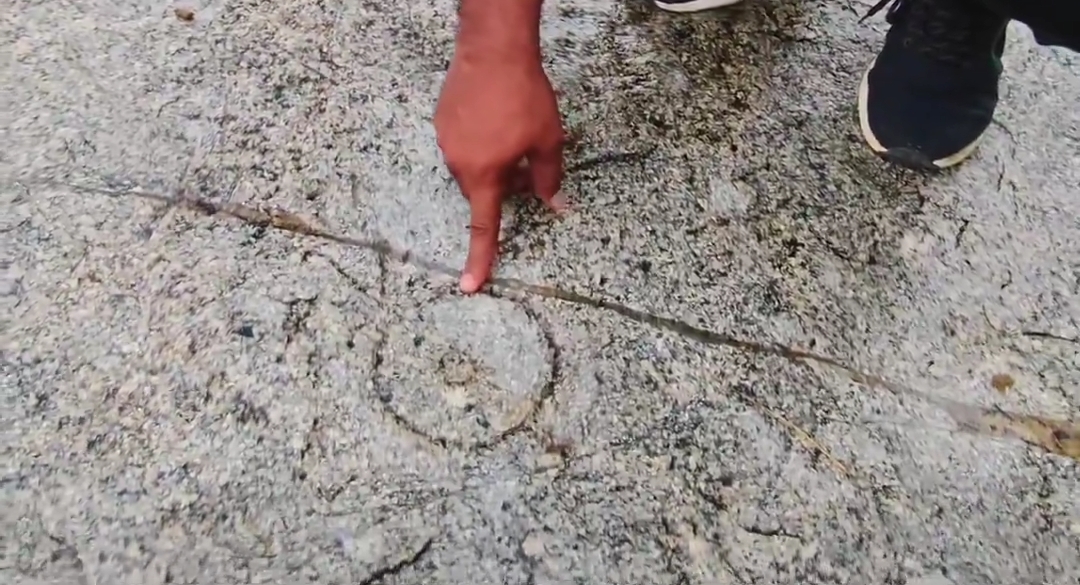
The discovery has drawn attention to the rich archaeological landscape of the region, which contains several traces of Telangana’s ancient history.
According to the information shared by Ratnakar Reddy, the rock engraving at Velpukonda resembles a symbol that was used on coins minted during the Satavahana period. The engraving is identified as a petroglyph, meaning an image or symbol carved, pecked or incised into a rock surface.
The Satavahanas, who ruled large parts of the Deccan over several centuries, played an important role in the political and economic history of present-day Telangana and neighbouring regions. Their coinage is an important source of information about the period, with several symbols and motifs appearing on coins associated with the dynasty.
The Velpukonda finding could therefore add another layer to the archaeological record of the Jangaon region. However, the identification of a particular petroglyph with a Satavahana coin symbol would require archaeological documentation, comparative study and expert examination before its date and cultural attribution can be conclusively established.
The discovery also highlights the importance of documenting lesser-known rock art and archaeological features across Telangana, many of which remain outside the better-known heritage circuits.
Further scientific study of the Velpukonda petroglyph could help establish its age, context and relationship, if any, with Satavahana-era symbols and the wider archaeological history of the region.
More from Telangana

More from Dakshin
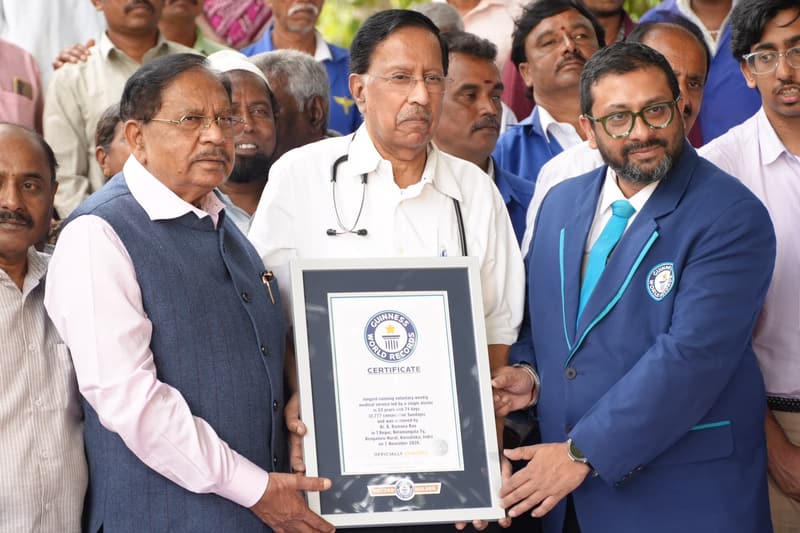
Padma Shri Dr B. Raman Rao enters Guinness World Records for treating over 33 lakh patients over 2777 Sundays
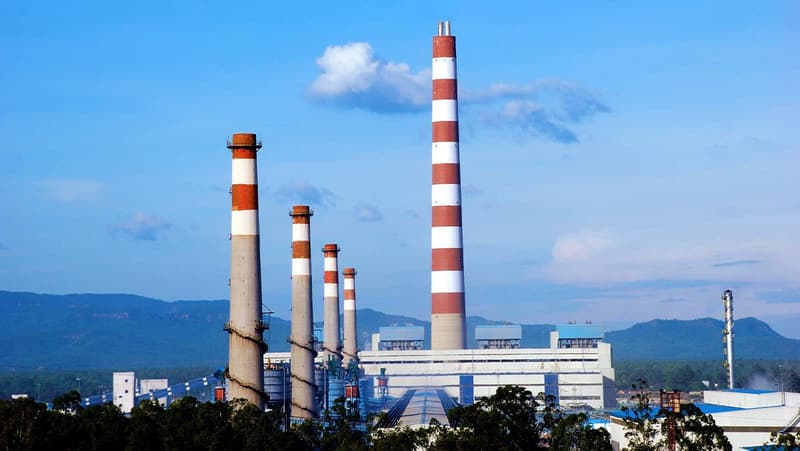
Shree Cement unveils ₹7,000 crore investment plans for three cement plants in Andhra Pradesh