Shahi Masjid imam calls for harvesting used water to recharge groundwater amid El Niño concerns
The Imam and Khateeb of Hyderabad’s historic Shahi Masjid at Public Gardens, Dr Maulana Ahsan bin Mohammed al-Hamoomi, has called attention to the importance of conserving water by directing used water from ablution towards groundwater recharge.

Instead of allowing water used by worshippers for ritual washing to flow into drainage systems, the mosque channels it into a specially constructed harvesting pit. The initiative demonstrates how water that would otherwise be discarded can be put to productive use and help replenish groundwater.
The mosque has two separate pits — one for rainwater harvesting and another for used water. The system was introduced through the Minorities Welfare Department around 2016, following the Imam’s initiative. The practice is particularly relevant given the substantial water consumption associated with daily prayers and Friday congregations.
The initiative assumes added significance amid concerns over the impact of El Niño, deficient rainfall and declining groundwater levels in Hyderabad. Water officials have been urging residents to reduce consumption, maintain recharge structures and reuse treated wastewater for suitable non-drinking purposes.
The Shahi Masjid’s model highlights the role that religious institutions and community spaces can play in promoting practical water conservation measures. It also reinforces the need to treat water reuse and groundwater recharge as year-round priorities rather than measures adopted only during periods of scarcity.
The broader message is that conservation need not depend entirely on large infrastructure projects; local initiatives that prevent wastage and support groundwater replenishment can also contribute to urban water security.
More from Telangana


More from Environment

NHAI begins survey for 43-km elevated corridor to Srisailam; night travel could become possible
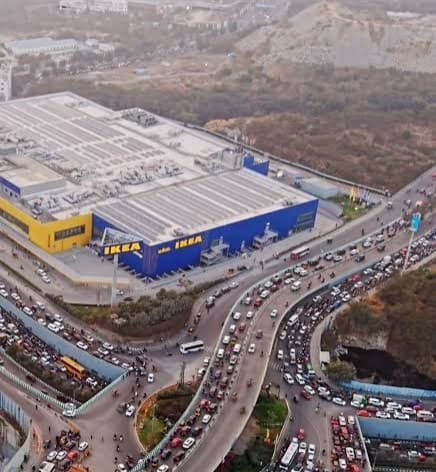
Cyberabad Police plan one-way traffic loop to ease congestion in Hyderabad’s IT corridor near IKEA junction