Shallot prices surge across Tamil Nadu as poor yields cut market arrivals
Shallot prices have risen sharply across Tamil Nadu as poor yields and declining market arrivals tighten supplies, with traders expecting prices to remain elevated until fresh harvests reach markets in the coming months.
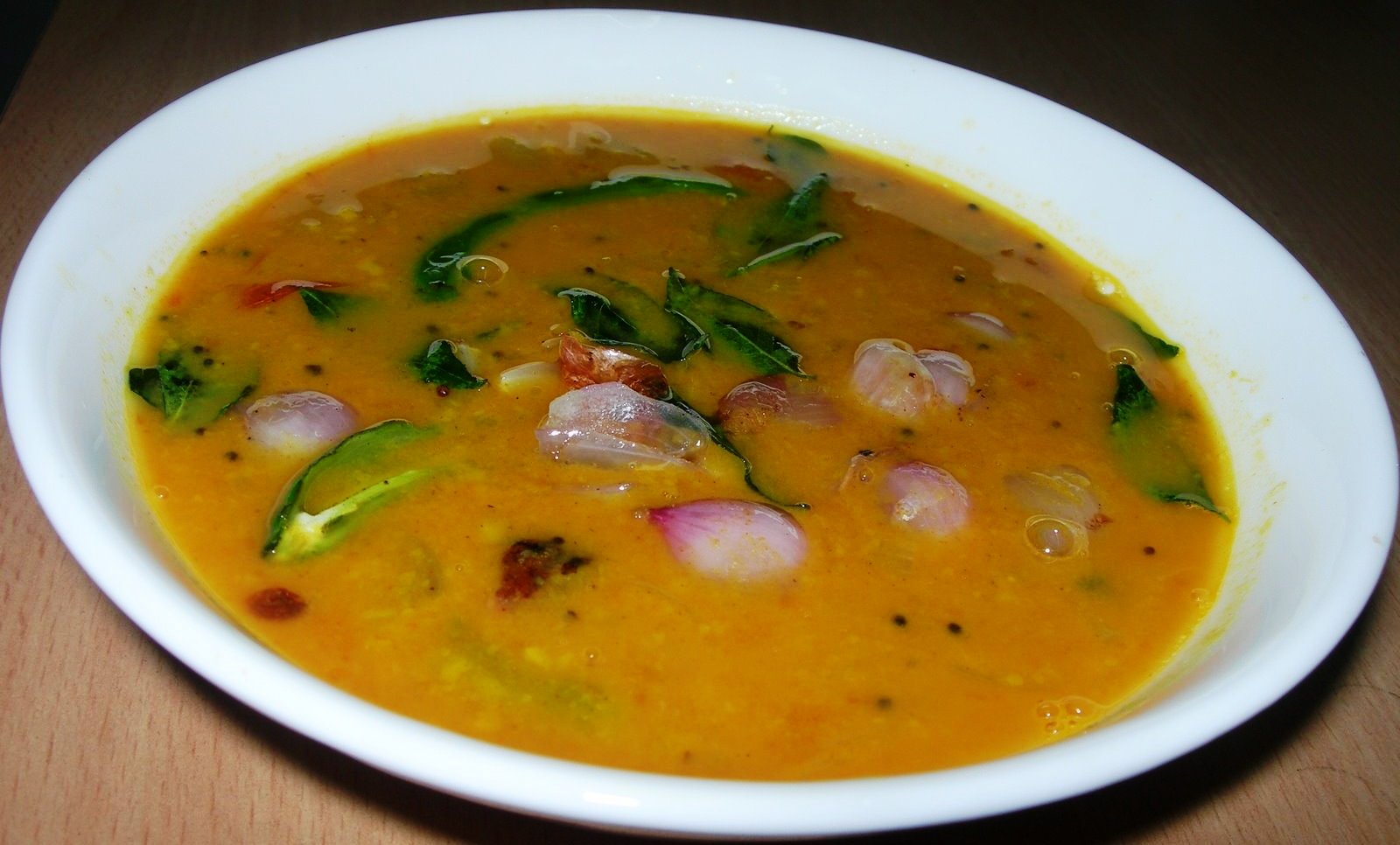
At Chennai’s Koyambedu wholesale market, shallots are selling for ₹60–₹100 per kg, depending on quality, while retail prices range from ₹80 to ₹110 per kg. The market, which normally receives around 10 truckloads daily, each carrying 10–12 tonnes, is currently receiving only three or four truckloads, largely from Karnataka.
Madurai has also witnessed a steep rise in prices. A 10-kg bag of shallots is selling for ₹800–₹1,000 in the wholesale market, while retail prices have touched ₹110 per kg. Daily arrivals from local farmers have fallen by nearly half, from around 100 tonnes, while supplies from Theni, Dharapuram and Oddanchatram have also declined.
Traders have attributed the shortage to poor crop yields and adverse weather conditions. Unseasonal rains in Karnataka have further affected supplies to Tamil Nadu markets, adding to the pressure on prices.
In Coimbatore, wholesale prices have remained relatively stable over the past two weeks, with a 10-kg quantity selling for ₹800–₹1,100. Tiruchy has bucked the wider trend, with prices easing to ₹75–₹100 per kg following increased arrivals from Perambalur, Thuraiyur and Namakkal. Second-quality shallots are available at around ₹60 per kg in wholesale markets.
Traders in Madurai expect prices to remain high until the next harvest, anticipated in January. In Tiruchy, however, lower demand during the Tamil month of Purattasi and restrictions on exports have contributed to the recent easing of prices, although traders expect rates to rise again around Deepavali.
The price movement highlights the impact of reduced agricultural output and weather-related disruptions on vegetable supplies. With arrivals remaining below normal in several markets, consumers across much of Tamil Nadu are likely to continue facing higher costs for shallots in the near term.
More from Tamil Nadu

Lakhs of devotees throng Tiruchendur for grand Soorasamharam festival; 4100 Police deployed

Tamil Nadu Governor Arlekar extends Kandha Sashti greetings, highlights spiritual significance of Soorasamharam

Annamalai slams Vijay Govt. over Thiruparankundram Deepam row; demands implementation of HC orders
More from Business

Shree Cement unveils ₹7,000 crore investment plans for three cement plants in Andhra Pradesh

Aster DM Quality Care invests ₹500 crore in 300-bed multispecialty hospital at Hyderabad’s Kondapur