South India faces mounting irrigation concerns as reservoir storage declines to alltime lows
The southwest monsoon has ended, but the water situation across South India remains a concern. According to a report citing Central Water Commission data, the region’s 92 major reservoirs held around 50% of their storage capacity as of late September 2026, compared with 87.25% at the same time last year. Below-normal rainfall has intensified concerns over irrigation and the upcoming rabi season.
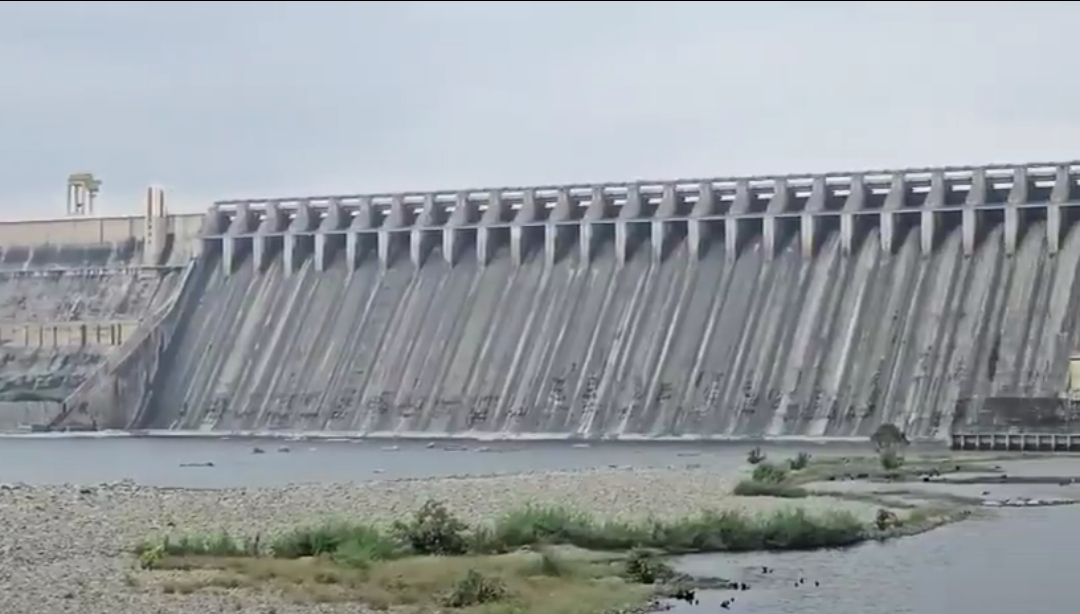
The Krishna basin faces particular pressure. Srisailam held about 69 TMC against its full capacity of 215.81 TMC on October 11, according to the supplied figures. The reservoir’s irrigation minimum drawdown level is 89.29 TMC, underscoring the distinction between total stored water and water available for irrigation releases.
In Rayalaseema, limited canal supplies could affect standing crops, while the Godavari-to-Krishna transfer through Pattiseema continues to provide support to the Krishna delta. Telangana is also facing pressure on its water resources: the state’s Irrigation Decision Support System reported reservoir storage at 47.73% of capacity on October 9.
Across the region, the challenge is not simply how much water remains in reservoirs, but how much can be used safely and delivered where it is needed. Protecting drinking-water supplies, prioritising standing crops and planning protective irrigation will be crucial as farmers prepare for the rabi season.
More from Telangana


More from Environment

NHAI begins survey for 43-km elevated corridor to Srisailam; night travel could become possible

Cyberabad Police plan one-way traffic loop to ease congestion in Hyderabad’s IT corridor near IKEA junction