Supreme Court rejects Tamil Nadu Government’s plea on BC(M) quota for Muslim converts in the State
In a setback to the Tamil Nadu Government, the Supreme Court on Thursday upheld a Madras High Court judgment striking down a state order that allowed people from certain backward communities who converted to Islam to claim reservation benefits under the Backward Class (Muslim) \[BC(M)\] category.
A Bench of Justices Prashant Kumar Mishra and Shree Chandrasekhar dismissed the state government’s appeal, holding that a person’s social status before religious conversion does not automatically confer eligibility for reservation under a different notified backward-class community.
The court ruled that backwardness associated with a person’s earlier social order cannot, by itself, establish membership in a separate backward-class community after conversion.
Tamil Nadu provides a separate 3.5% reservation within the 30% Backward Classes quota for Backward Class Muslims.
In March 2024, the state government issued an order allowing people belonging to Backward Classes (BC), Most Backward Classes (MBC), Denotified Communities (DNC) and Scheduled Castes who converted to Islam to seek reservation benefits under the BC(M) category.
The Madras High Court struck down the order on June 25, 2026, ruling that conversion to Islam alone did not entitle a person to membership in one of Tamil Nadu’s officially recognised Backward Class Muslim communities. The state subsequently challenged the judgment in the Supreme Court.
The Supreme Court’s decision upholds the invalidation of the 2024 government order. It does not, however, abolish Tamil Nadu’s existing 3.5% BC(M) sub-quota for eligible, recognised Backward Class Muslim communities.
The ruling centres on whether individuals can automatically transfer their previous caste or community status to a different notified backward-class category following religious conversion.
More from Tamil Nadu

Lakhs of devotees throng Tiruchendur for grand Soorasamharam festival; 4100 Police deployed
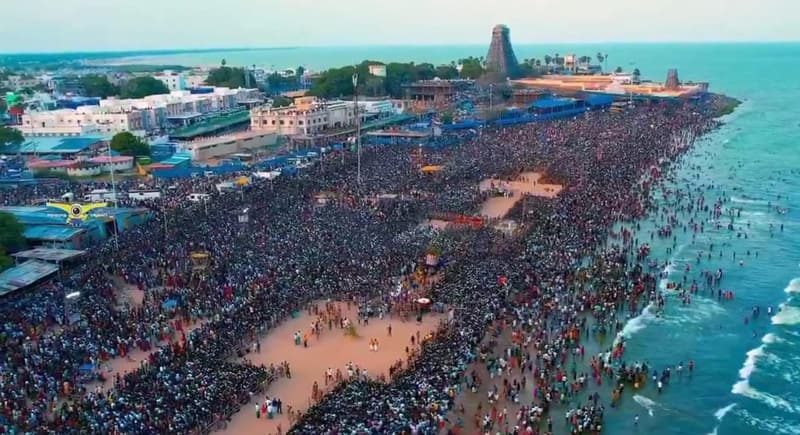
Tamil Nadu Governor Arlekar extends Kandha Sashti greetings, highlights spiritual significance of Soorasamharam
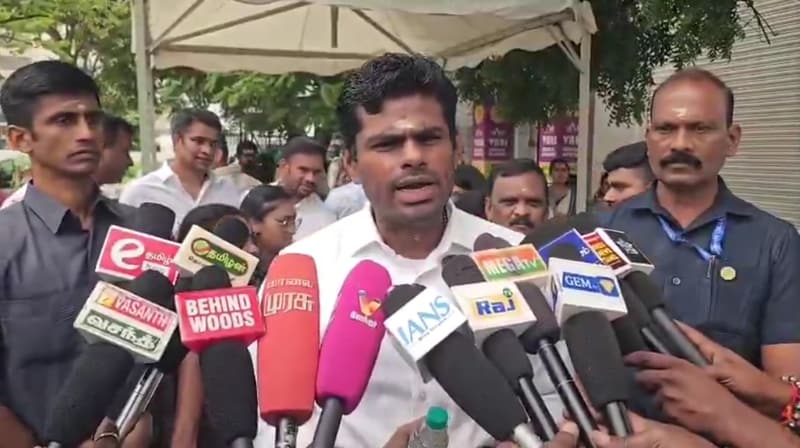
Annamalai slams Vijay Govt. over Thiruparankundram Deepam row; demands implementation of HC orders
More from Politics
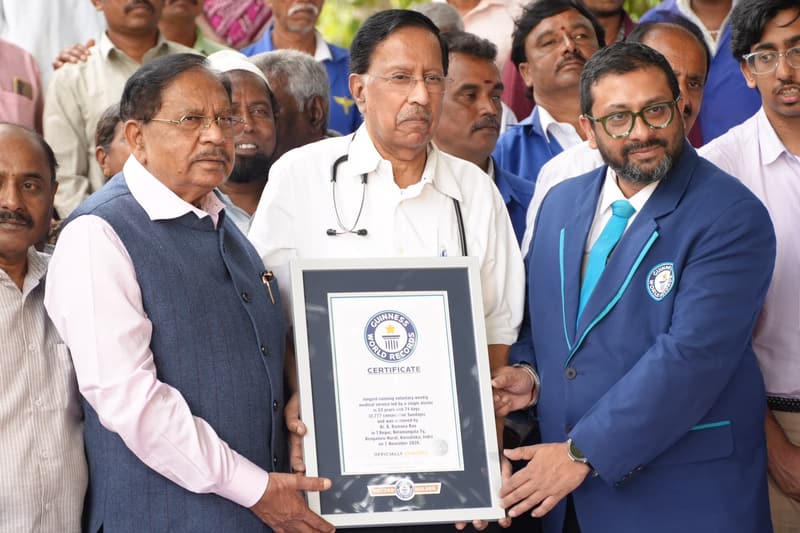
Padma Shri Dr B. Raman Rao enters Guinness World Records for treating over 33 lakh patients over 2777 Sundays
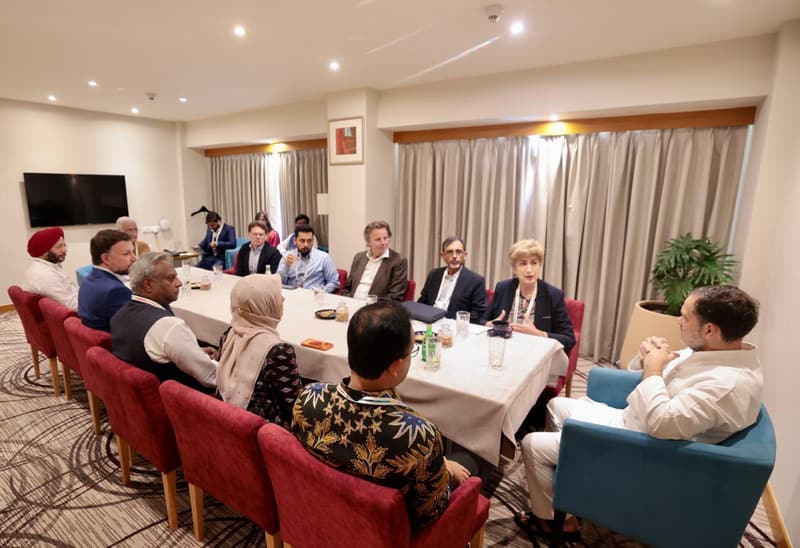
Rahul Gandhi calls for rethinking democracy and economic models amid growing influence of tech giants