Tamil Nadu Government secures record-cost power deals as October demand surges
Tamil Nadu Power Distribution Corporation Limited (TNPDCL) has finalised emergency power-purchase agreements at record-high rates to bridge a widening electricity supply gap, as demand remains elevated during October and availability from conventional sources and wind generation declines.
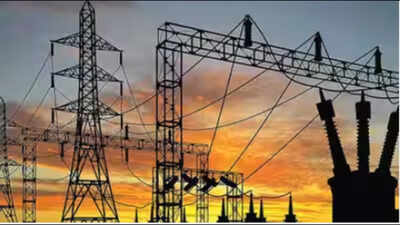
The utility has secured 1,500 MW of round-the-clock power for October 12–31 at rates ranging from ₹31.99 to ₹34.49 per unit. It has also finalised arrangements for 2,000 MW to meet evening peak demand between 6 pm and midnight, at prices ranging from ₹33.37 to ₹37 per unit. The rates are among the highest reported for power procured through the short-term bidding process.
TNPDCL’s decision follows an unusually high demand for electricity in the state. Peak demand, which stood at around 17,000 MW in October last year, has continued to touch 20,000 MW this month. Daily electricity consumption has also increased by nearly 70 million units compared with the corresponding period last year.
The utility has cited a shortage of nearly 4,000 MW from central generating stations due to scheduled annual maintenance, along with reduced wind-power generation, as major reasons for the emergency purchases. Uncertainty over the arrival of the northeast monsoon has also raised concerns that high demand could persist through the remainder of October.
Officials said the short-term agreements were finalised at unusually high rates because the available suppliers were primarily gas-based power plants, while coal-based electricity was difficult to procure in the market. The utility has noted that it will pay for the electricity actually drawn, apart from fixed charges, rather than automatically purchasing the entire contracted quantity.
The cost of procurement has drawn attention because of the difference between Tamil Nadu’s emergency purchases and rates secured elsewhere. The Andhra Pradesh Power Coordination Committee, for instance, finalised agreements for 150 MW for the same period at ₹16–₹20 per unit. However, the Andhra Pradesh bids were completed on September 9, while Tamil Nadu floated its tenders only about a week before the supply period began.
The episode highlights the challenge of balancing electricity demand with supply availability during periods of prolonged hot weather. With peak consumption remaining high and wind generation declining, the timing of the northeast monsoon and the restoration of generation from central power stations will be important in determining whether Tamil Nadu needs further emergency purchases.
More from Tamil Nadu

Lakhs of devotees throng Tiruchendur for grand Soorasamharam festival; 4100 Police deployed

Tamil Nadu Governor Arlekar extends Kandha Sashti greetings, highlights spiritual significance of Soorasamharam

Annamalai slams Vijay Govt. over Thiruparankundram Deepam row; demands implementation of HC orders
More from Dakshin

Padma Shri Dr B. Raman Rao enters Guinness World Records for treating over 33 lakh patients over 2777 Sundays
Shree Cement unveils ₹7,000 crore investment plans for three cement plants in Andhra Pradesh