Tamil Nadu Minister Jagadeeswari’s remarks on students’ hairstyles trigger controversy
Tamil Nadu Social Welfare and Women’s Rights Minister K. Jagadeeswari has sparked a controversy after suggesting that school students who do not follow conventional haircut styles should have their heads shaved as a disciplinary measure.
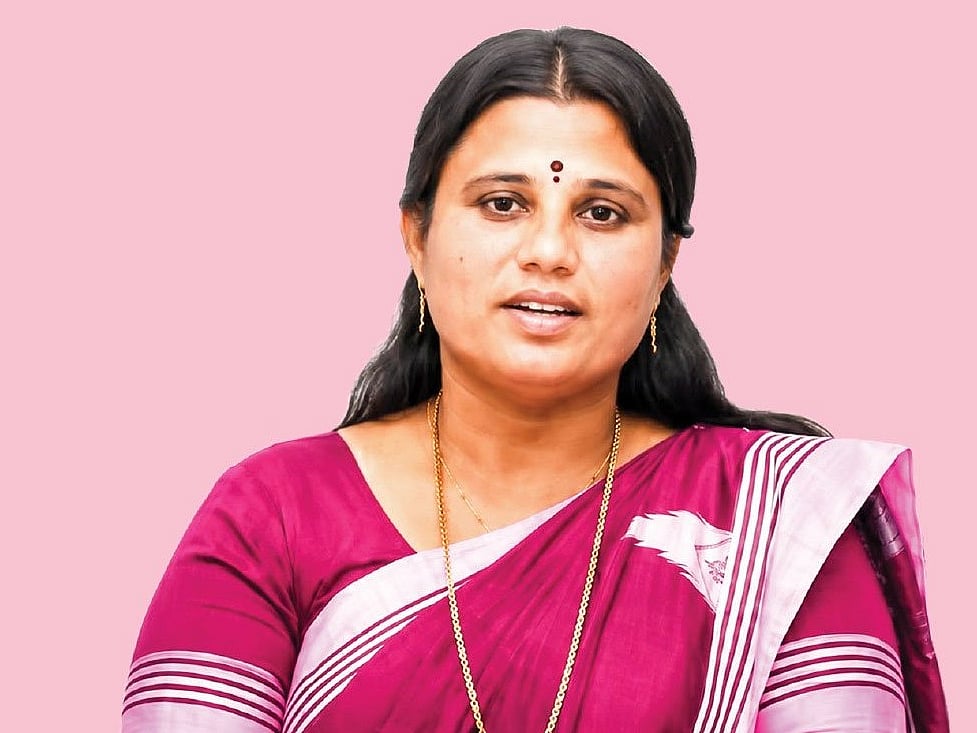
The remarks were made during an event at a government school in Ayanreddiyapatti in Virudhunagar district, where the minister participated in a programme attended by students and parents.
Expressing concern over what she described as unconventional hairstyles among schoolchildren, Jagadeeswari said some students were sporting haircuts resembling those of rowdies rather than maintaining a conventional school-going appearance. She urged teachers to allow only students with appropriate haircuts into school and suggested that those who failed to comply could be given a tonsure.
The minister also criticised students wearing trousers cropped above the ankles and questioned why parents were permitting such styles. She argued that a student's appearance could influence how others perceived them, including when they came into contact with the police. She suggested that appearance often creates an impression about a person's character, although wrongdoing should ultimately be determined only after an investigation.
Jagadeeswari said her comments were motivated by concern for children and that she was speaking from the perspective of a parent rather than merely as a minister. She also urged parents to take greater responsibility for guiding their children and ensuring that they develop disciplined habits.
However, her suggestion that students could be subjected to tonsure for their hairstyles has drawn criticism on social media. Opposition voices have questioned the appropriateness of such a recommendation, arguing that forcibly shaving a child's head could undermine the student's dignity and self-respect.
The controversy has also triggered a wider debate over school discipline, students' personal appearance and the limits of institutional authority. While schools can prescribe reasonable dress and grooming standards, critics argue that discipline should be maintained through counselling and appropriate corrective measures rather than humiliating or punitive practices.
More from Tamil Nadu

Lakhs of devotees throng Tiruchendur for grand Soorasamharam festival; 4100 Police deployed

Tamil Nadu Governor Arlekar extends Kandha Sashti greetings, highlights spiritual significance of Soorasamharam
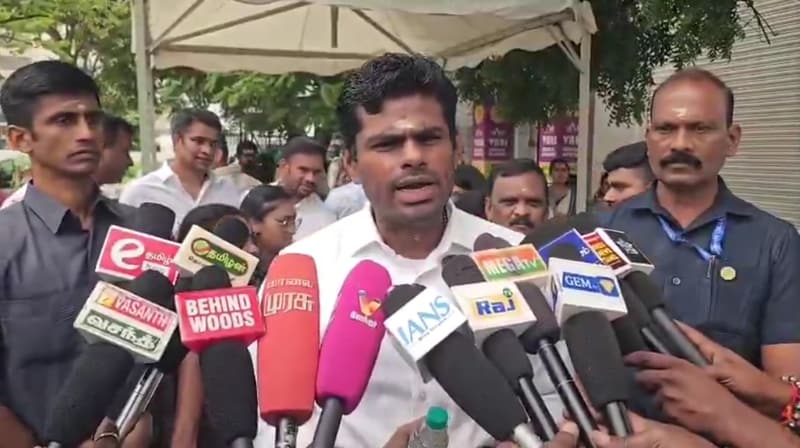
Annamalai slams Vijay Govt. over Thiruparankundram Deepam row; demands implementation of HC orders
More from Politics
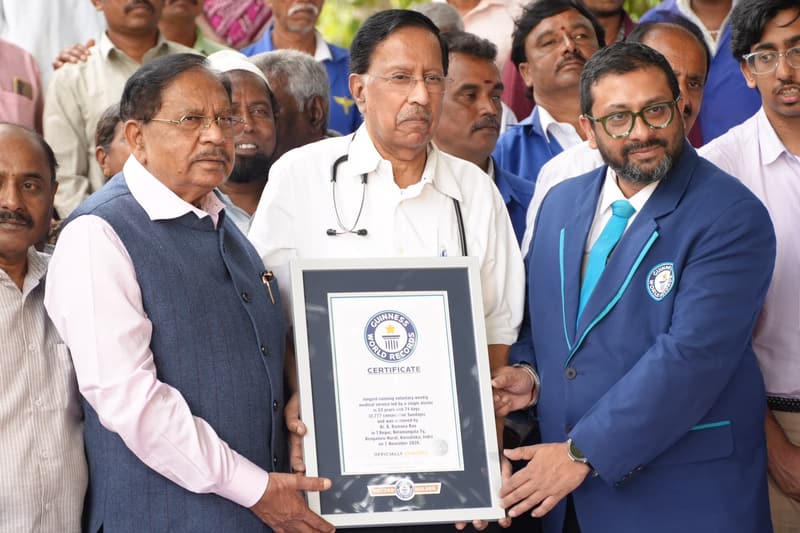
Padma Shri Dr B. Raman Rao enters Guinness World Records for treating over 33 lakh patients over 2777 Sundays
Rahul Gandhi calls for rethinking democracy and economic models amid growing influence of tech giants