Tamil Nadu wins ₹2,000-crore Brazilian investment over Andhra Pradesh; 3,000 jobs expected in Dharmapuri
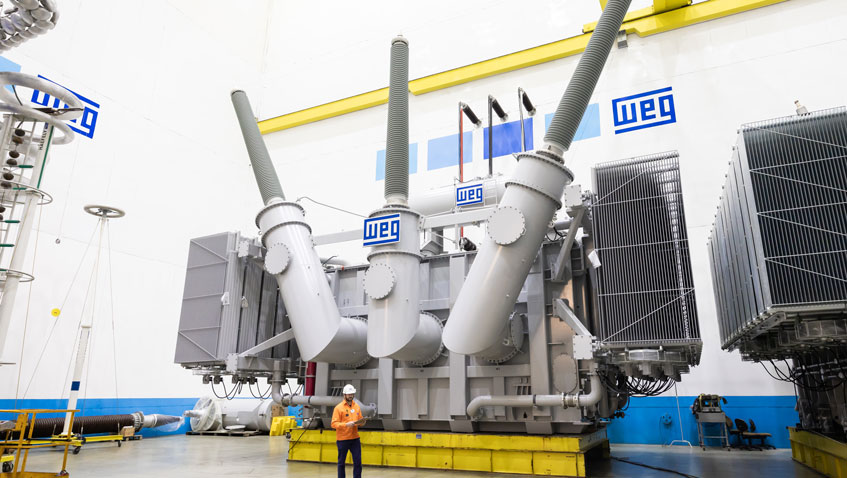
In a significant development in the investment competition between Tamil Nadu and Andhra Pradesh, Brazilian electrical equipment manufacturer WEG has chosen Dharmapuri in Tamil Nadu over Kuppam in Andhra Pradesh for a proposed ₹2,000-crore manufacturing facility. The project is expected to generate approximately 3,000 direct and indirect employment opportunities
The decision comes after both states made efforts to attract the investment, with Andhra Pradesh promoting Kuppam as a potential location. Tamil Nadu eventually secured the company's preference following several rounds of negotiations involving its Industries Department, investment promotion agency Guidance Tamil Nadu and Industries Minister S. Keerthana.
The proposed facility will be established on approximately 100 acres at the State Industries Promotion Corporation of Tamil Nadu (SIPCOT) industrial estate in Dharmapuri. The manufacturing unit will focus on electric vehicle motors, industrial drives and power generation equipment, strengthening Tamil Nadu's position in advanced electrical engineering and industrial manufacturing.
The investment process began on July 6, 2026, when WEG representatives held their initial discussions with Guidance Tamil Nadu. The state subsequently presented a customised investment proposal highlighting its industrial infrastructure, manufacturing capabilities, skilled workforce and established supplier ecosystem.
Company representatives visited the proposed location on July 21 to assess the site's suitability. Further discussions took place with the Additional Chief Secretary for Industries on August 18, followed by a meeting between WEG's leadership and Industries Minister Keerthana in Bengaluru on October 16. The company subsequently confirmed Tamil Nadu as its preferred destination.
The decision is particularly important because Dharmapuri has traditionally remained outside Tamil Nadu's principal industrial corridors, which are concentrated around Chennai, Hosur and Coimbatore. Establishing a major international manufacturing facility in the district could accelerate industrial development, attract ancillary industries and create employment opportunities for local youth.
WEG is an established Brazilian multinational specialising in electric motors, generators, industrial automation systems and power equipment. The company already has manufacturing operations in India, including a facility at Hosur, where production began in 2011.
In July 2022, WEG signed an agreement to invest ₹650 crore in expanding its Hosur operations, with a commitment to create 650 jobs. The proposed Dharmapuri investment represents a substantial expansion of its manufacturing presence in Tamil Nadu.
The latest announcement comes amid political discussions in the two neighbouring states over industrial investments and the movement of manufacturing projects. Andhra Pradesh, under Chief Minister N. Chandrababu Naidu, has been actively promoting industrial development, including investments around Kuppam, while Tamil Nadu has continued pursuing international manufacturers through its established industrial ecosystem.
Tamil Nadu officials have presented WEG's decision as evidence of the state's ability to compete for large manufacturing projects while extending industrial development beyond its traditional economic centres. The proposed facility could also encourage component manufacturers, engineering suppliers and smaller enterprises to establish operations in and around Dharmapuri.
The announcement follows another investment development in Tamil Nadu, where South Korean automotive component manufacturers Hwashin and Seoyon submitted letters of intent proposing combined investments of ₹1,370 crore over five years.
For Dharmapuri, the WEG project could represent an important industrial milestone, offering opportunities for employment, skills development and the growth of supporting businesses. However, the investment remains at the proposed stage, and details of the construction schedule and commencement of commercial production are yet to be announced.
The decision also illustrates the growing competition among Indian states to attract international manufacturing investments, particularly in electric mobility, industrial automation and advanced engineering.
More from Tamil Nadu

Lakhs of devotees throng Tiruchendur for grand Soorasamharam festival; 4100 Police deployed
Tamil Nadu Governor Arlekar extends Kandha Sashti greetings, highlights spiritual significance of Soorasamharam
Annamalai slams Vijay Govt. over Thiruparankundram Deepam row; demands implementation of HC orders
More from Business
Shree Cement unveils ₹7,000 crore investment plans for three cement plants in Andhra Pradesh
Aster DM Quality Care invests ₹500 crore in 300-bed multispecialty hospital at Hyderabad’s Kondapur