Telangana’s new Urban Governance Act makes property mutation automatic to ease process
Property mutation in Hyderabad and the surrounding core urban region will become automatic following registration of a property under the Telangana Core Urban Region (Integrated Governance) Act, 2026, which came into force on October 2.
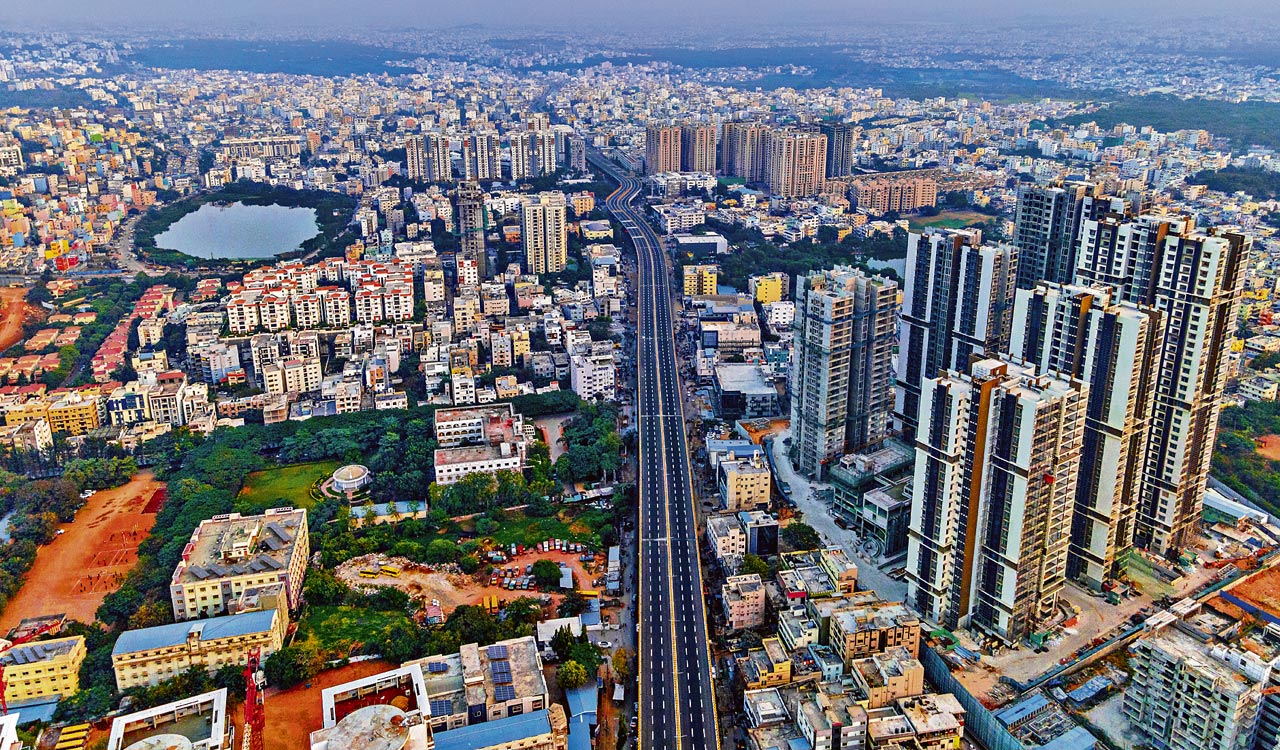
The new legislation replaces the nearly 70-year-old GHMC Act and introduces a unified framework covering the Hyderabad, Cyberabad and Malkajgiri municipal corporations.
Under the earlier system, property buyers generally had to approach different offices after registration to have ownership details mutated in municipal records. The new system provides for mutation to be carried out automatically once the registration process is completed.
The Act also provides for a unique identity code for every property, linked to the relevant municipal corporation. Property tax, water charges, sewage dues and other municipal payments will be consolidated into a single bill called ‘Cure-1’.
Residents will also be able to access municipal services, permissions and licences through a unified online portal.
The legislation establishes a Cure Apex Governance Council, chaired by the Chief Minister, to coordinate development planning across the three corporations. Representatives from the police, Revenue Department, HMDA, Water Board, electricity department, Metro Rail, RTC and HYDRAA will participate in the planning process.
The three municipal corporations will, however, retain their existing boundaries and elected structures, including mayors, deputy mayors, standing committees and ward committees.
The new Act also provides for online building permissions, with applications potentially receiving deemed approval if officials fail to act within the prescribed timeframe.
The legislation gives HYDRAA enhanced powers to act against the dumping of construction waste and the discharge of polluted water into lakes, nalas and other public spaces. It also introduces provisions covering disaster management, fire audits for high-rise buildings, traffic management, pedestrian infrastructure and safer zones around schools.
More from Telangana

More from Business
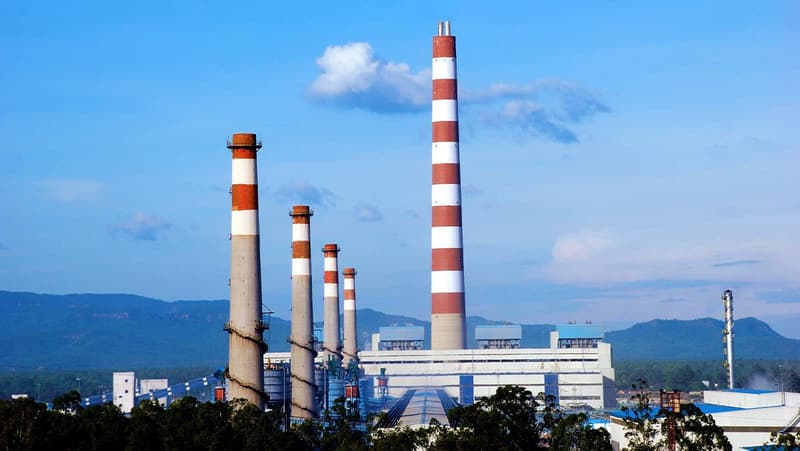
Shree Cement unveils ₹7,000 crore investment plans for three cement plants in Andhra Pradesh
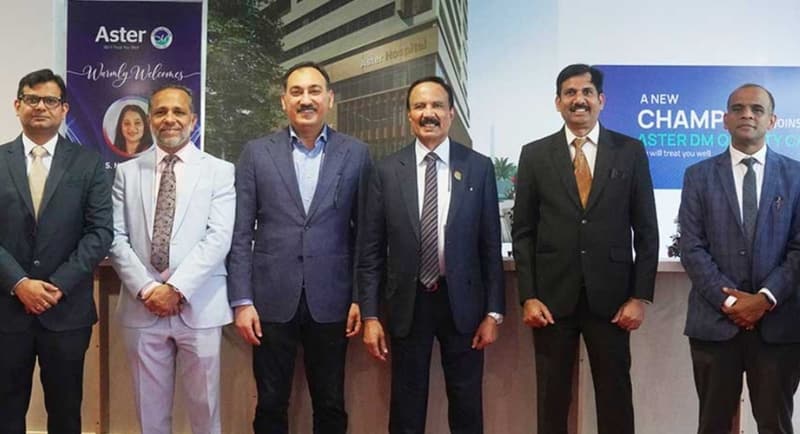
Aster DM Quality Care invests ₹500 crore in 300-bed multispecialty hospital at Hyderabad’s Kondapur