Telangana uses nearly half its groundwater; Hyderabad extraction exceeds 100%
Telangana has utilised nearly half of its available groundwater resources, while Hyderabad has recorded groundwater extraction of 102% of its assessed availability, raising concerns over the sustainability of water supplies in the state.
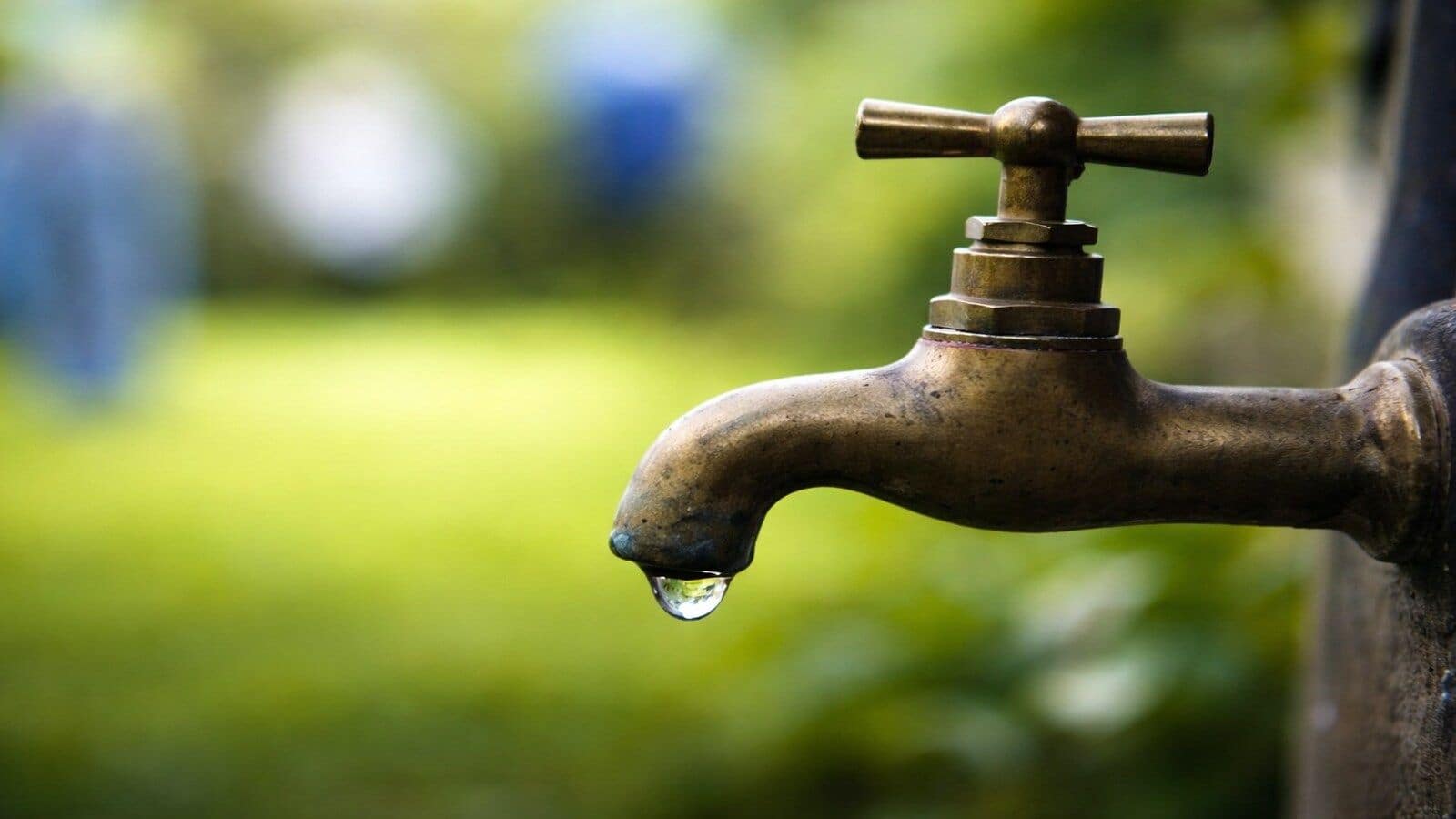
According to the India Ground Water Resource Estimation Report for the 2025–26 assessment year, Hyderabad is extracting groundwater at a rate exceeding the amount replenished during the assessment period. The findings highlight growing pressure on groundwater reserves amid deficient rainfall and rising demand.
The situation is particularly concerning in Hyderabad, Rangareddy, Medchal-Malkajgiri and Sangareddy, where urbanisation, industrial activity and increasing water demand are placing pressure on underground reserves.
Farmers in several districts are also relying on groundwater for irrigation amid inadequate rainfall, adding to the demand for available resources.
The assessment identified 18 blocks as over-exploited and 20 as critical, indicating significant groundwater stress in several parts of Telangana.
Kumuram Bheem, Jogulamba Gadwal and Mulugu recorded groundwater utilisation below 30%. The report attributes the comparatively lower extraction in these districts partly to the cultivation of rain-fed crops. Eight other districts recorded groundwater utilisation between 60% and 75%.
The findings come amid concerns over inadequate rainfall and declining groundwater levels across the state. Hyderabad's water situation is particularly vulnerable because of its growing dependence on borewells alongside existing municipal water supplies.
A separate assessment by the Telangana Ground Water Department found that groundwater levels across the Hyderabad metropolitan region were 6.85 metres lower in September 2026 than in September 2025, reflecting the impact of deficient rainfall and insufficient recharge.
The latest figures underscore the need for improved groundwater management, rainwater harvesting and measures to increase recharge, particularly in urban and over-exploited areas. Sustainable extraction will be crucial to safeguarding drinking water supplies as demand continues to grow.
More from Telangana
More from Environment
NHAI begins survey for 43-km elevated corridor to Srisailam; night travel could become possible
Cyberabad Police plan one-way traffic loop to ease congestion in Hyderabad’s IT corridor near IKEA junction