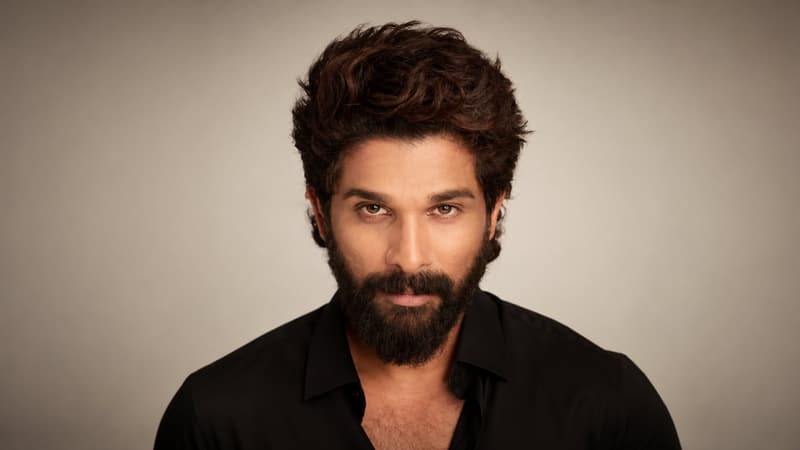
The self-taught innovator who became the ‘Edison of India’
Long before India became a global technology hub, Gopalaswamy Doraiswamy Naidu (G.D. Naidu) was demonstrating what curiosity, experimentation and practical knowledge could achieve. Born on March 23, 1893, at Kalangal near Coimbatore, Naidu went on to become one of India’s most celebrated inventors, industrialists and philanthropists.
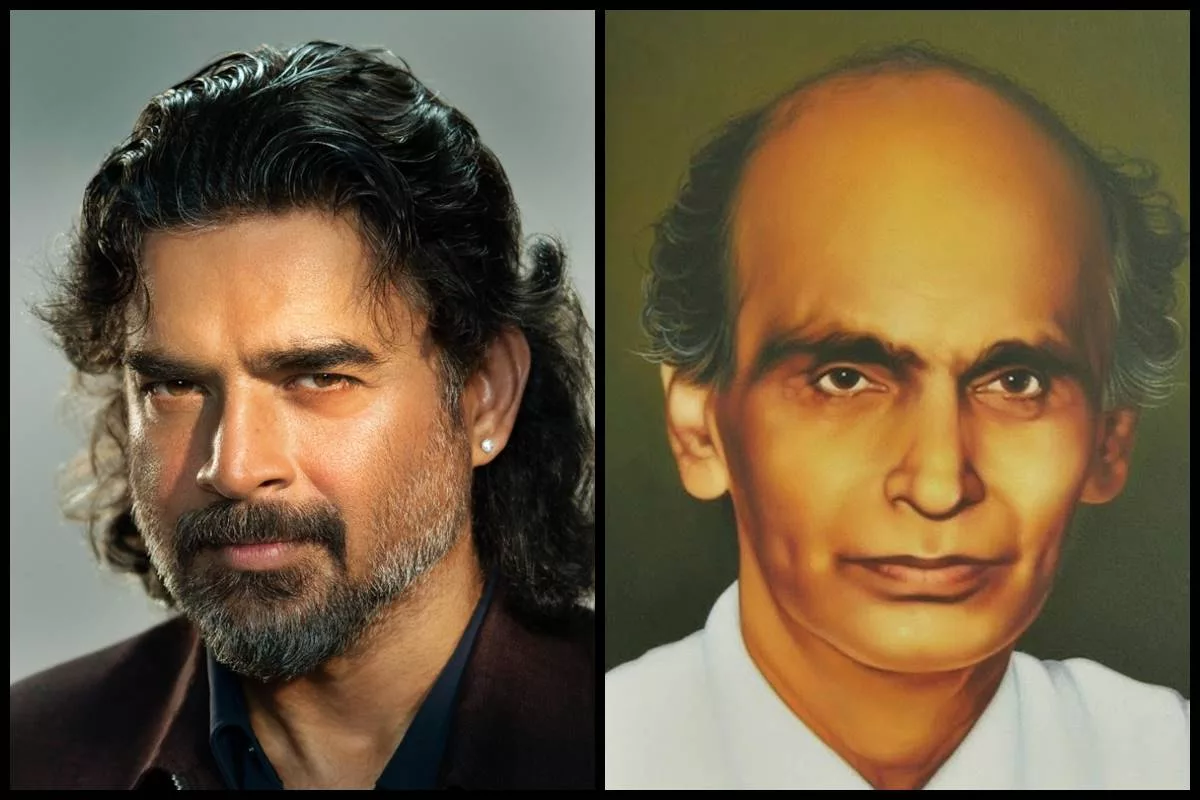
Naidu’s formal education was limited, but his fascination with machines drove him towards self-learning. As a young man, he reportedly worked to save enough money to buy a motorcycle and then dismantled it to understand how it worked. That hands-on approach became the foundation of his remarkable career.
In 1920, he entered the transport business with a single bus. His venture eventually developed into Universal Motor Service (UMS), which became a major private bus operation in southern India.
His innovations extended across several fields. Naidu is credited with developing an indigenous electric motor in 1937, while his other experiments included a vote-recording machine, an electric razor, a film-camera lens adjustment device, a juice extractor and a kerosene-operated fan.
Education was another important part of his legacy. He played a significant role in establishing Arthur Hope Polytechnic in Coimbatore, reflecting his belief that practical, vocational learning could transform young lives.
Naidu died on January 4, 1974, but his legacy continues through the museums and institutions associated with his name in Coimbatore. The G.D. Science Museum continues to showcase his inventions and his philosophy of learning through experimentation.
Now, his extraordinary story has reached the screen. R. Madhavan portrays G.D. Naidu in the biographical film GDN. The film was released worldwide in August and began streaming on Netflix, with Telugu, Hindi, Malayalam and Kannada versions available.
More from Tamil Nadu

Lakhs of devotees throng Tiruchendur for grand Soorasamharam festival; 4100 Police deployed

Tamil Nadu Governor Arlekar extends Kandha Sashti greetings, highlights spiritual significance of Soorasamharam
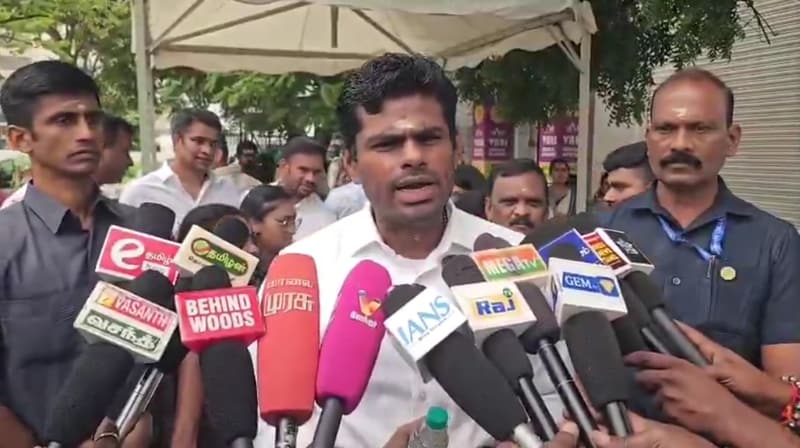
Annamalai slams Vijay Govt. over Thiruparankundram Deepam row; demands implementation of HC orders
More from Entertainment
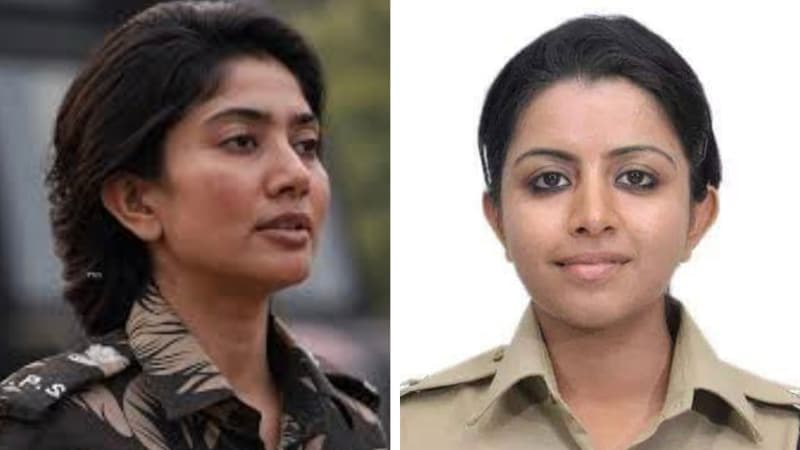
Sai Pallavi cuts her hair for ‘OM’, takes inspiration from IPS officer Merin Joseph; mother reacts in shock
Mahesh Babu–Rajamouli’s ‘Varanasi’ eyes record ₹290 crore Telugu States deal, set to surpass ‘RRR’