‘Traumatic’ train ride post by Tejasvi Surya’s wife sparks debate over civic sense and public transport
Carnatic singer Sivasri Skandaprasad, wife of BJP Bengaluru South MP Tejasvi Surya, has sparked an online debate after describing a five-hour train journey as “traumatic” and questioning public behaviour and civic sense in shared spaces.
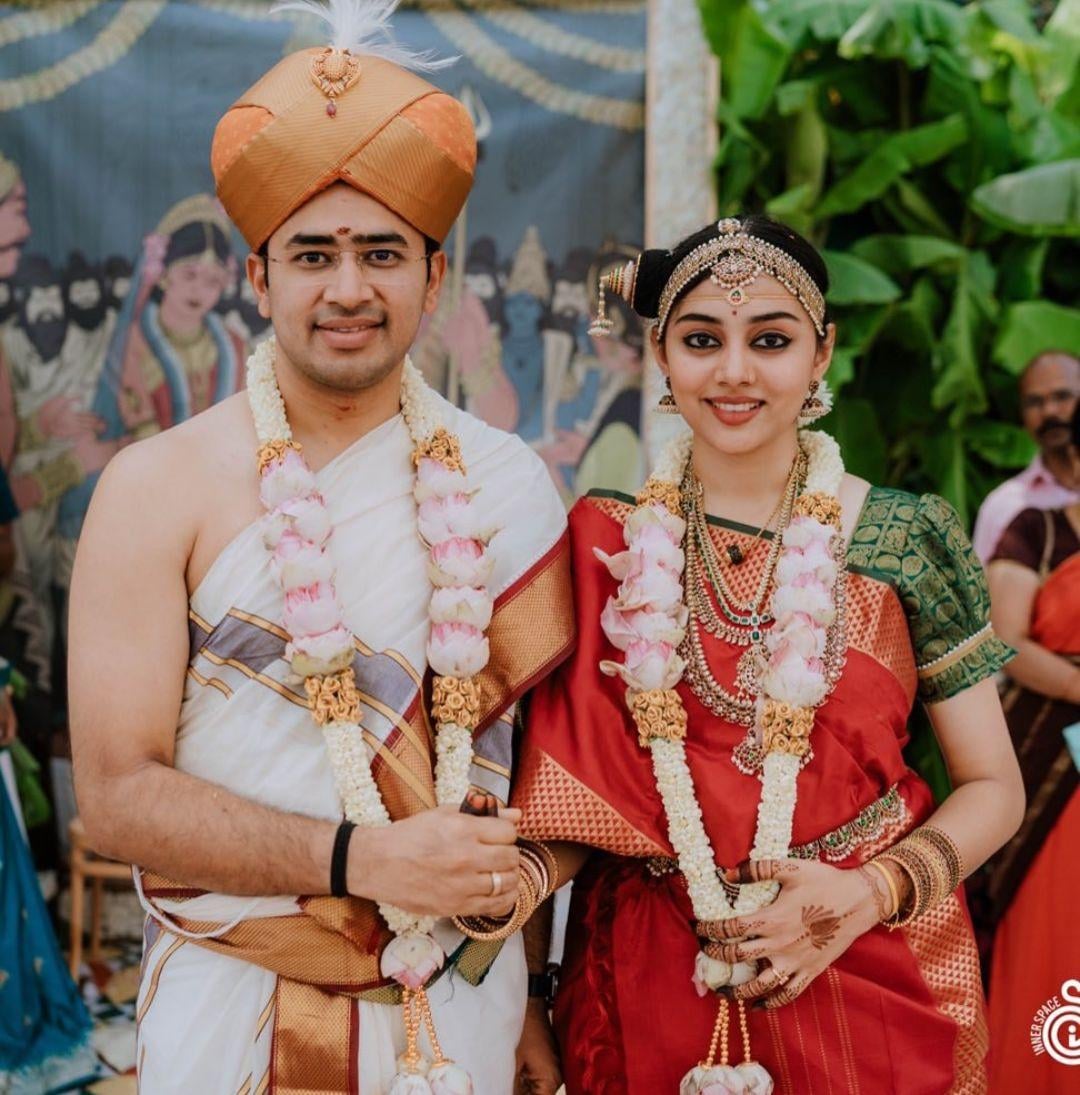
In a post on X, Skandaprasad said around 40 middle-aged passengers occupied much of a 56-seat coach and continued talking and laughing loudly for nearly five hours. She said she asked the ticket examiner (TTE) whether she could move to another coach, but the train was full and she had to remain in the same coach.
She also recounted an incident involving another group of around eight passengers who began playing UNO. According to her account, the TTE initially asked them to stop, which they did, but later returned and questioned them about creating a nuisance. She said the group responded by inviting the TTE to join their game. She subsequently complained that they began singing Bollywood songs.
Skandaprasad said her concern was not about the game itself but about the expectation that other passengers should simply tolerate disruptive behaviour. She questioned when public behaviour and civic sense would improve in India.
The post has, however, triggered a parallel discussion about perspective and privilege. Some reactions have questioned whether describing an uncomfortable journey caused by excessive noise as “traumatic” is proportionate, particularly in a country where millions routinely depend on crowded public transport for work and daily travel.
Critics have also pointed to Skandaprasad's association with a prominent political family and questioned whether people with greater financial means have alternatives to public transport when they seek greater privacy or comfort. At the same time, supporters of her post have argued that basic consideration for fellow passengers applies regardless of who is travelling, and that excessive noise in a shared coach can reasonably be a matter of public etiquette.
The episode has consequently opened a wider conversation—not merely about one train journey, but about noise, personal space, civic behaviour and differing experiences of India's public transport system.
More from Karnataka
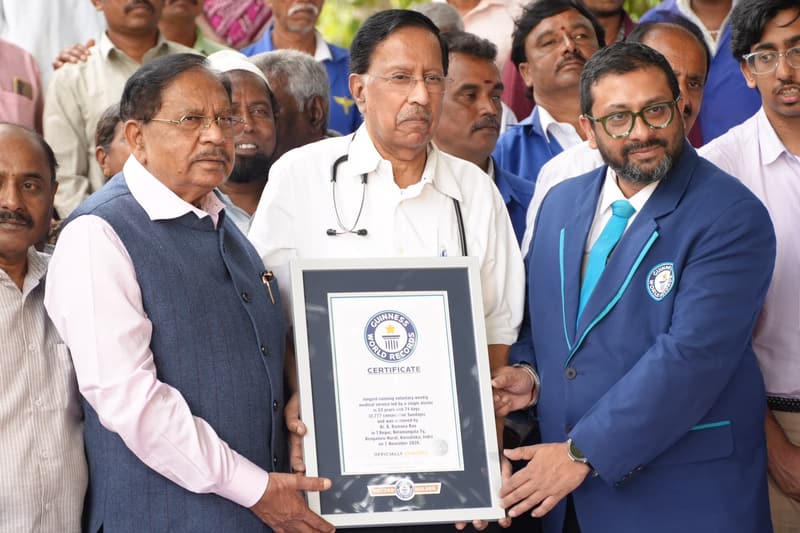
Padma Shri Dr B. Raman Rao enters Guinness World Records for treating over 33 lakh patients over 2777 Sundays
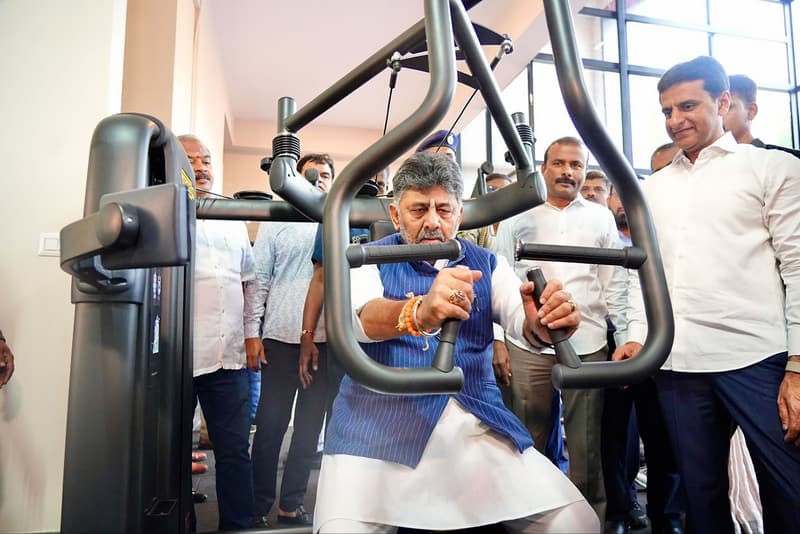
Karnataka CM Shivakumar inaugurates community hall with modern gym, badminton court in Bengaluru
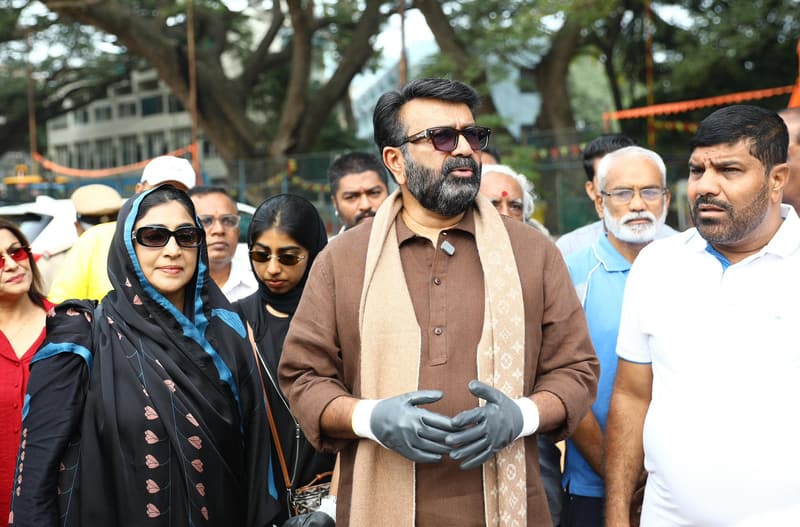
BDA Chairman N.A. Haris joins citizens in Bengaluru Park cleanliness drive, calls for a green movement
More from Entertainment

Sai Pallavi cuts her hair for ‘OM’, takes inspiration from IPS officer Merin Joseph; mother reacts in shock
Mahesh Babu–Rajamouli’s ‘Varanasi’ eyes record ₹290 crore Telugu States deal, set to surpass ‘RRR’