Tulu to Telugu: Actress Jyothi Rai’s multilingual journey celebrates India’s linguistic diversity
Kannada-Telugu actress Jyothi Rai, also known as Jyoti Poorvaj, has emerged as an interesting example of India's extraordinary linguistic diversity, with her ability to communicate in several languages drawing attention to the country's rich multilingual traditions

Born and raised in Madikeri in Karnataka's Kodagu district, Jyothi Rai belongs to a Tulu-speaking family. Growing up in the culturally diverse Coorg region exposed her to multiple languages, including Kodava, Arebashe and Kannada. Her subsequent career in the entertainment industry expanded her linguistic familiarity to Malayalam, Tamil and Telugu.
Her journey reflects a distinctive feature of Indian society, particularly in southern India, where linguistic identities frequently overlap and individuals acquire multiple languages through family, neighbourhood interactions, education, migration and professional opportunities.
Jyothi Rai gained widespread recognition among Telugu television audiences through her portrayal of Jagathi in the popular serial Guppedantha Manasu. Her performance helped establish her presence in the Telugu entertainment industry, despite her linguistic roots being outside the Telugu-speaking states.
Before gaining popularity in Telugu television, she appeared in Kannada serials such as Jogula and Kinnari. Her acting credits also include the Tulu film Madipu and Kannada productions including Dia and Supplier Shankara. Married to filmmaker Suku Poorvaj, the actress is also associated with the upcoming project Killer.
Her multilingual background has prompted a broader discussion about the complexity of linguistic identities in India. While language is often associated with geographical and administrative boundaries, the lived experiences of millions of Indians demonstrate that linguistic belonging rarely follows rigid territorial divisions.
Karnataka's Kodagu region, for instance, is home to several linguistic communities, with Kodava, Arebashe, Tulu and Kannada coexisting within a relatively small geographical area. Similar multilingual environments can be found across India, particularly in regions where different cultural and linguistic communities have interacted for generations.
The actress's experience also raises questions about political and social narratives that seek to equate a state's identity exclusively with a single language. Critics of such approaches argue that linguistic pride need not come at the expense of recognising other languages spoken by communities within the same state.
India's linguistic diversity is widely regarded as one of its defining cultural characteristics. The ability of individuals to navigate multiple languages without abandoning their mother tongue demonstrates how linguistic identities can coexist rather than compete.
Jyothi Rai's journey from a Tulu-speaking childhood in Coorg to recognition in Kannada and Telugu entertainment illustrates this reality. Her career serves as a reminder that India's cultural strength lies not in enforcing linguistic uniformity, but in preserving the freedom to embrace multiple languages and identities.
At a time when language-related controversies periodically generate political tensions, her story offers a compelling example of multilingualism as an everyday Indian experience rather than an exception.
More from Beyond Dakshin
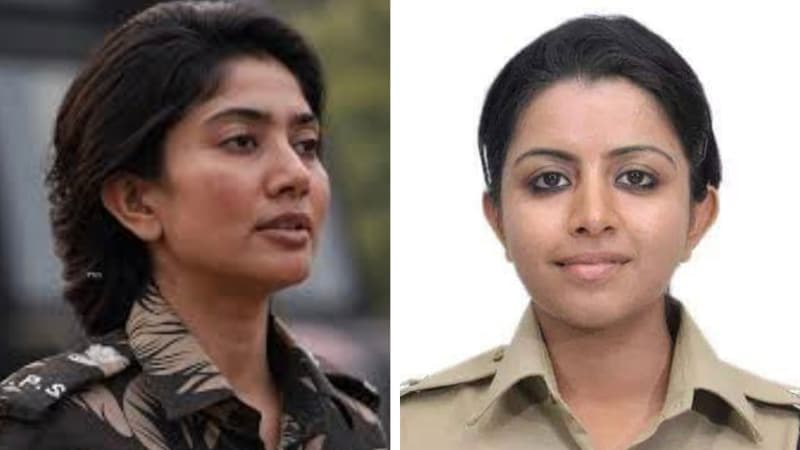
Sai Pallavi cuts her hair for ‘OM’, takes inspiration from IPS officer Merin Joseph; mother reacts in shock
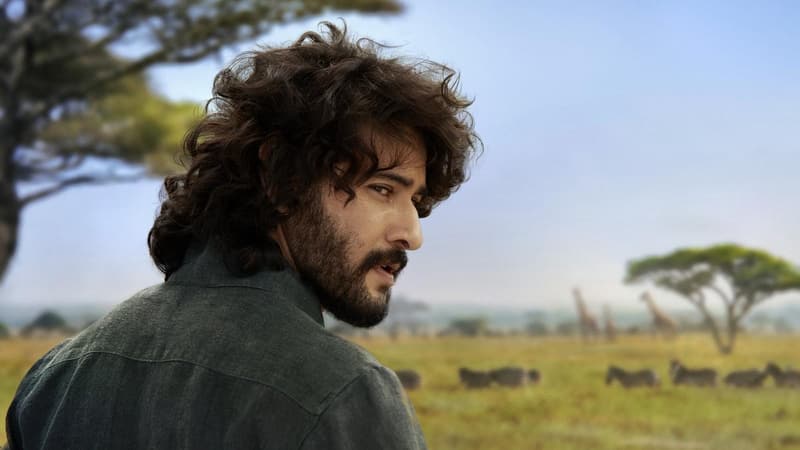
Mahesh Babu–Rajamouli’s ‘Varanasi’ eyes record ₹290 crore Telugu States deal, set to surpass ‘RRR’

Allu Arjun lines up mythological pan-India spectacle with Boyapati Sreenu after ‘Raaka’!
More from Entertainment
Sai Pallavi cuts her hair for ‘OM’, takes inspiration from IPS officer Merin Joseph; mother reacts in shock
Mahesh Babu–Rajamouli’s ‘Varanasi’ eyes record ₹290 crore Telugu States deal, set to surpass ‘RRR’