Unverified social media posts target newly appointed Karimnagar NSUI chief; no official complaint reported
A series of social media posts making personal allegations against Mohammed Imran, who was recently appointed president of the Karimnagar district unit of NSUI, have been circulating on platforms including X and Facebook.
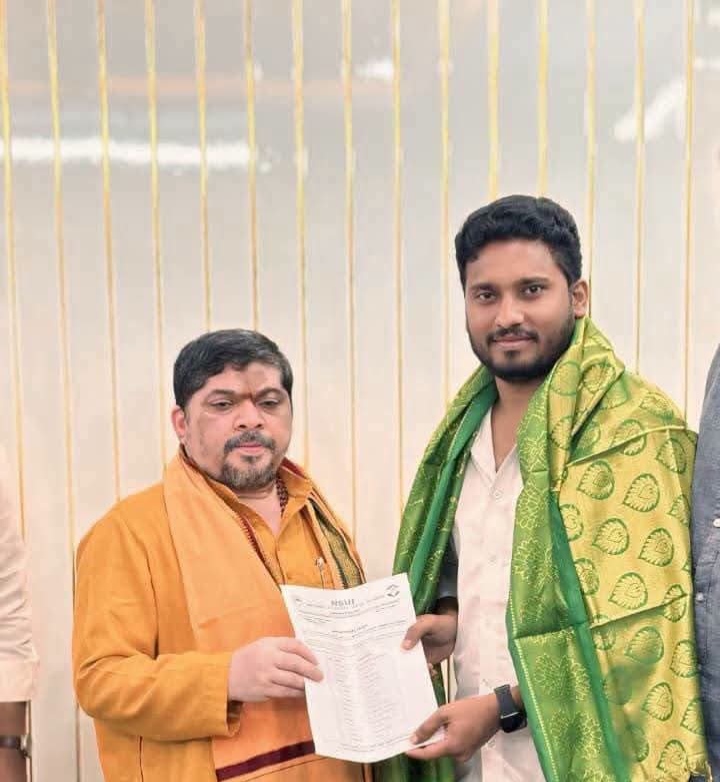
Imran was appointed to the post earlier this month by Telangana NSUI president Edavalli Venkat Swamy. According to reports on his appointment, he has been associated with the Congress student organisation for around a decade and has previously held several responsibilities, including district general secretary and district vice-president.
The current social-media controversy involves posts and hashtags alleging the circulation of certain private videos and making personal accusations against Imran. The allegations have not been independently verified, and the authenticity or provenance of the material being circulated remains unclear.
There have also been social-media references linking Imran to Telangana Minister Ponnam Prabhakar. Reports on his appointment quoted Imran thanking Ponnam Prabhakar, along with other Congress leaders, for their support. However, such references do not by themselves establish any connection to the allegations currently circulating online.
As of Friday, there was no publicly reported police complaint, cybercrime investigation or official statement from the Congress party or NSUI confirming the allegations or establishing the authenticity of the material.
The episode also highlights the risks associated with sharing unverified personal content online. With digital manipulation, impersonation and AI-generated or altered media becoming increasingly sophisticated, the authenticity of any disputed video or image can only be established through proper digital-forensic examination.
Any police investigation, legal action or organisational decision in the matter, if initiated, would provide a more authoritative basis for determining the facts. Until then, the allegations circulating on social media should be treated as unverified claims rather than established facts.
More from Telangana
More from Politics
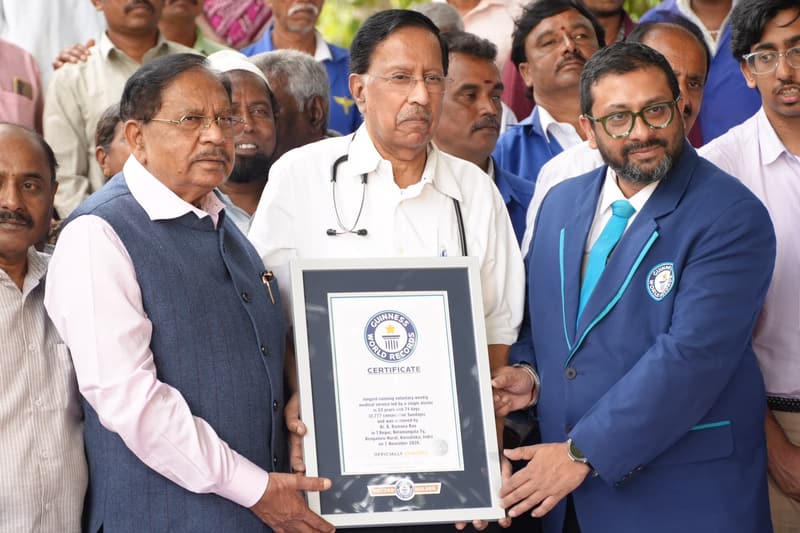
Padma Shri Dr B. Raman Rao enters Guinness World Records for treating over 33 lakh patients over 2777 Sundays
Rahul Gandhi calls for rethinking democracy and economic models amid growing influence of tech giants