VinFast's new business strategy: from selling electric cars to running its own taxi fleet
Vietnamese electric vehicle manufacturer VinFast is pursuing an unconventional business strategy in India by combining electric car sales with a growing presence in the app-based taxi industry. Through the Green SM electric cab service, the company is seeking to create an additional market for its vehicles while competing with established ride-hailing operators
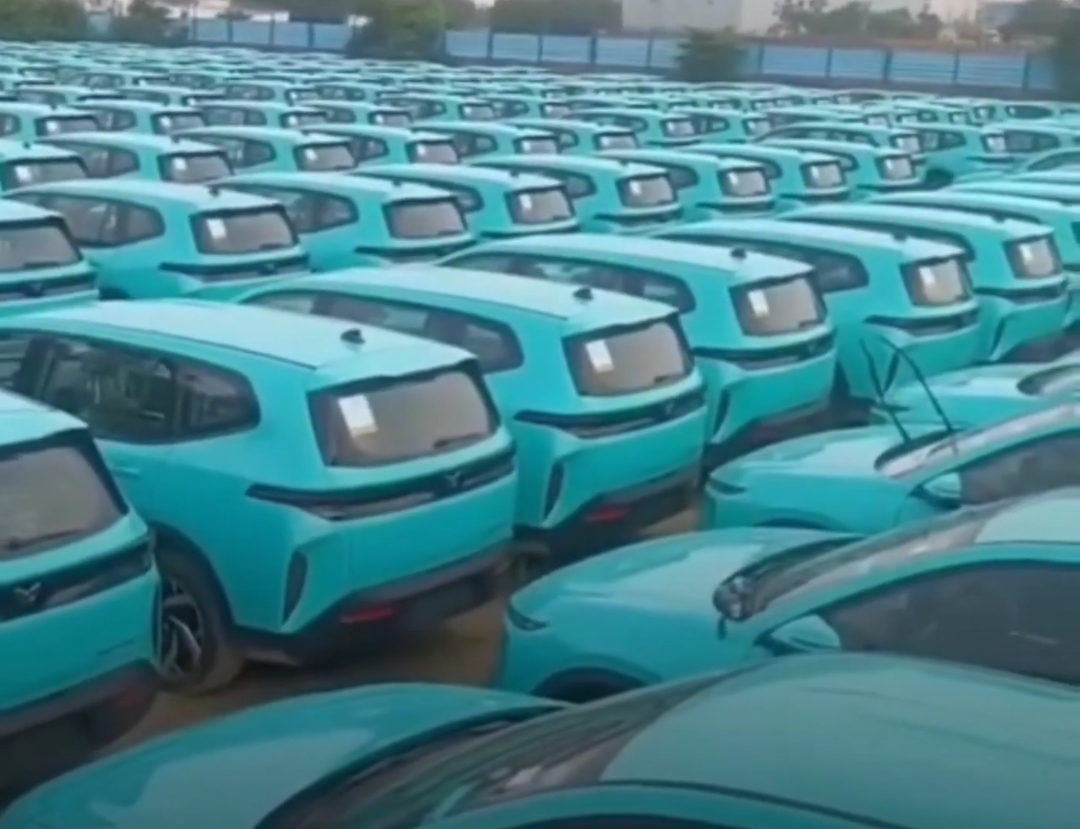
The strategy is attracting attention because it offers a different approach to expanding an electric vehicle business. Rather than relying exclusively on individual customers purchasing cars, the broader VinFast business ecosystem is creating demand for electric vehicles through commercial passenger transportation.
Green SM, operated by GSM, a mobility company associated with VinFast founder Pham Nhat Vuong, uses electric vehicles for its taxi operations. The model enables the wider business group to support vehicle utilisation while establishing a presence in the rapidly expanding urban mobility market.
The Green SM service has reportedly commenced operations in Delhi, Chennai and Hyderabad and is now preparing to expand into Bengaluru after securing permission from the Regional Transport Office (RTO). The approval assumes significance as the company has faced opposition from sections of the existing taxi industry concerned about the entry of another major operator.
The expansion comes at a time when India's app-based taxi market is witnessing intense competition among established operators and newer entrants. Green SM's electric fleet model could introduce another dimension to this competition, particularly if the company adopts aggressive pricing to attract customers.
For passengers, competition among taxi operators could translate into additional transport options and potentially more competitive fares. However, existing cab operators and independent drivers may face pressure if a new entrant introduces lower fares backed by substantial investment and a dedicated fleet of electric vehicles.
The business model also offers potential operational advantages. Electric vehicles generally have lower energy costs per kilometre than conventional petrol or diesel vehicles, although overall profitability depends on vehicle acquisition costs, charging infrastructure, maintenance, financing and fleet utilisation.
The company's approach could also contribute to the adoption of electric mobility in urban passenger transportation, particularly in cities where app-based cab services account for a substantial volume of daily travel.
However, the suggestion that VinFast entered the taxi business because its passenger car sales failed to meet expectations remains an interpretation rather than an established explanation of the company's strategy. Similarly, the long-term impact of Green SM's pricing on competing operators will depend on its actual fares, fleet size, operating costs and market share.
The expansion of Green SM into additional Indian cities nevertheless illustrates how electric vehicle manufacturers and associated mobility businesses are exploring alternative ways to build demand for their products.
As VinFast strengthens its presence in India, the combination of electric vehicle manufacturing and fleet-based mobility services could become an important element of its broader business strategy. Whether this model succeeds in disrupting India's highly competitive taxi market will depend on customer acceptance, regulatory compliance and the economics of operating large electric cab fleets.
More from Karnataka
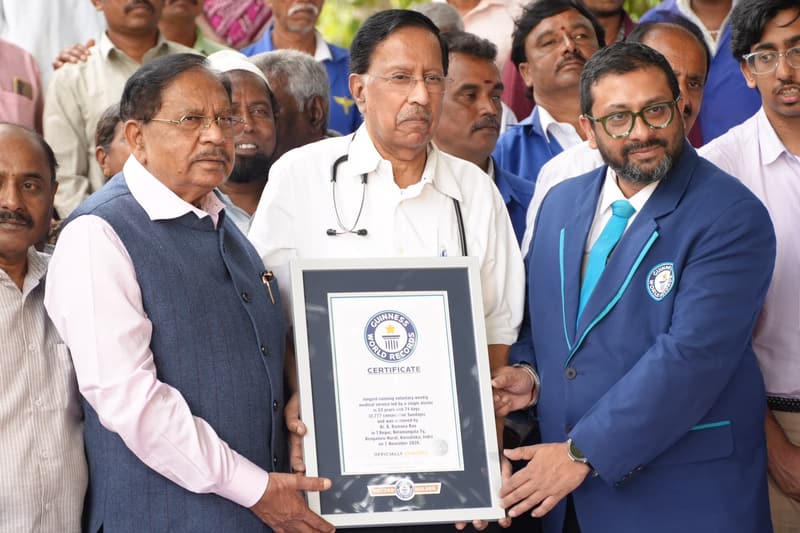
Padma Shri Dr B. Raman Rao enters Guinness World Records for treating over 33 lakh patients over 2777 Sundays
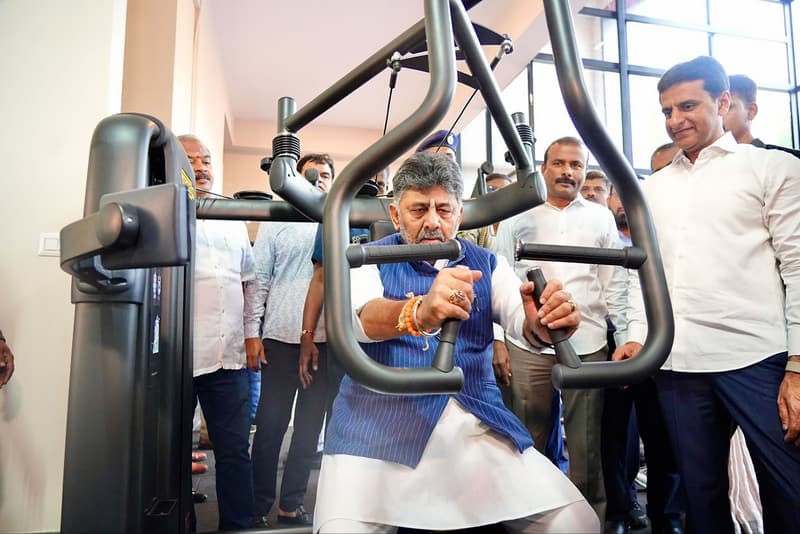
Karnataka CM Shivakumar inaugurates community hall with modern gym, badminton court in Bengaluru

BDA Chairman N.A. Haris joins citizens in Bengaluru Park cleanliness drive, calls for a green movement
More from Business

Shree Cement unveils ₹7,000 crore investment plans for three cement plants in Andhra Pradesh
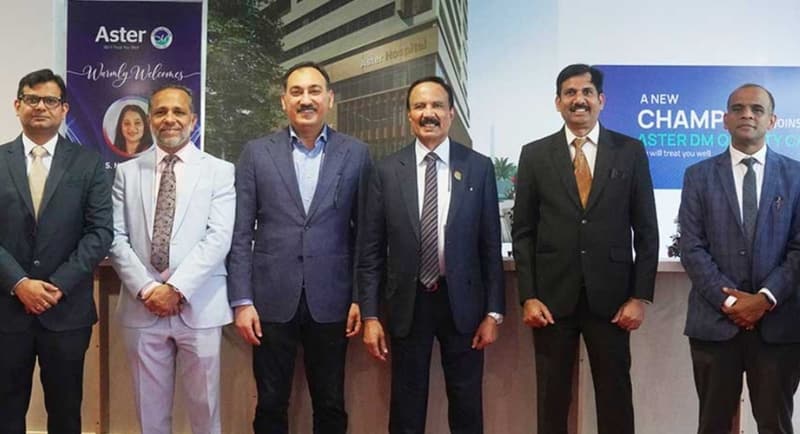
Aster DM Quality Care invests ₹500 crore in 300-bed multispecialty hospital at Hyderabad’s Kondapur