VOC Port in Thoothukudi records huge 74.5% rise in wind turbine blade handling capacity
V.O. Chidambaranar Port (VOC Port) in Thoothukudi has recorded a 74.5% increase in wind turbine blade handling during the first five months of the current financial year, underlining the port’s growing role in India’s renewable-energy logistics network.

Between April and August 2026, the port handled 2,188 wind turbine blades, compared with 1,254 during the corresponding period of 2025-26. The number of vessels carrying wind turbine blade consignments also rose from 39 to 52 during the period.
The increase follows a sustained rise in wind-energy cargo at VOC Port. The port handled 2,030 blades in 2023-24, 2,635 in 2024-25 and a record 4,922 blades in 2025-26, representing an 86.8% increase over the previous financial year.
VOC Port has developed dedicated infrastructure to handle the increasingly large components used in wind-energy projects. It has 1 lakh sq m of open storage space outside the Customs-notified area and another 1.44 lakh sq m within it for wind turbine blades and associated components. Berths 5, 6 and 7 together provide around 1 lakh sq m of paved space for cargo handling and storage.
The port can handle wind turbine blades measuring up to 90.2 metres and has harbour mobile cranes, trained personnel for over-dimensional cargo and road connectivity to the hinterland.
VOC Port Chairperson Susanta Kumar Purohit said the clean-energy transition was creating new logistics requirements for Indian ports, with renewable-energy projects increasingly dependent on the movement of large and specialised components.
The growth in blade handling positions the Thoothukudi port as an increasingly important logistics gateway for India’s expanding wind-energy sector.
More from Tamil Nadu

Lakhs of devotees throng Tiruchendur for grand Soorasamharam festival; 4100 Police deployed

Tamil Nadu Governor Arlekar extends Kandha Sashti greetings, highlights spiritual significance of Soorasamharam
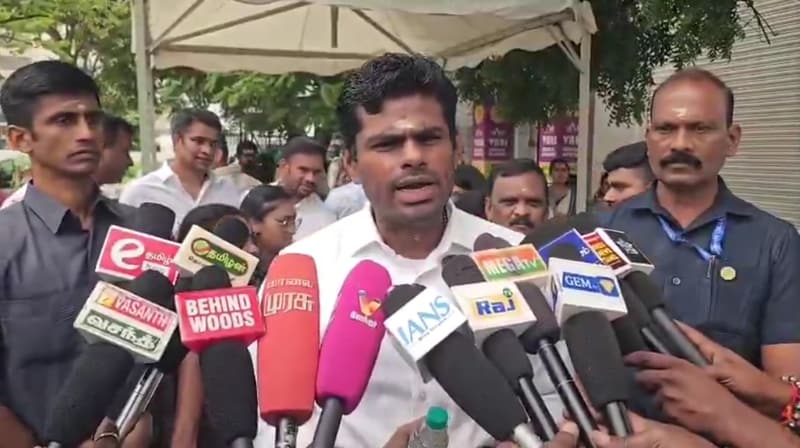
Annamalai slams Vijay Govt. over Thiruparankundram Deepam row; demands implementation of HC orders
More from Business

Shree Cement unveils ₹7,000 crore investment plans for three cement plants in Andhra Pradesh
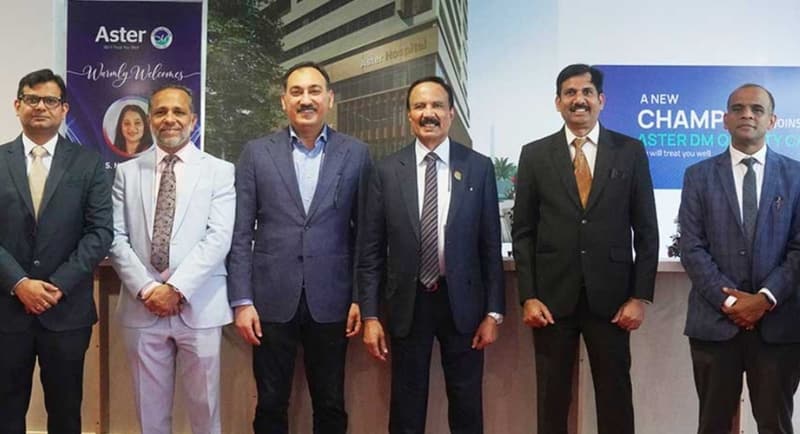
Aster DM Quality Care invests ₹500 crore in 300-bed multispecialty hospital at Hyderabad’s Kondapur