Vote Chori allegations put electoral integrity under scrutiny: Report flags questionable entries
A 32-page report titled India’s Vote, India’s Democracy: Rahul Gandhi Ji’s Vote Chori Campaign, Statements and Evidence, prepared by Andhra Pradesh High Court advocate Mannam Rajasekhar, has brought together allegations of electoral-roll irregularities, official responses and unresolved legal questions surrounding the integrity of India’s electoral process.
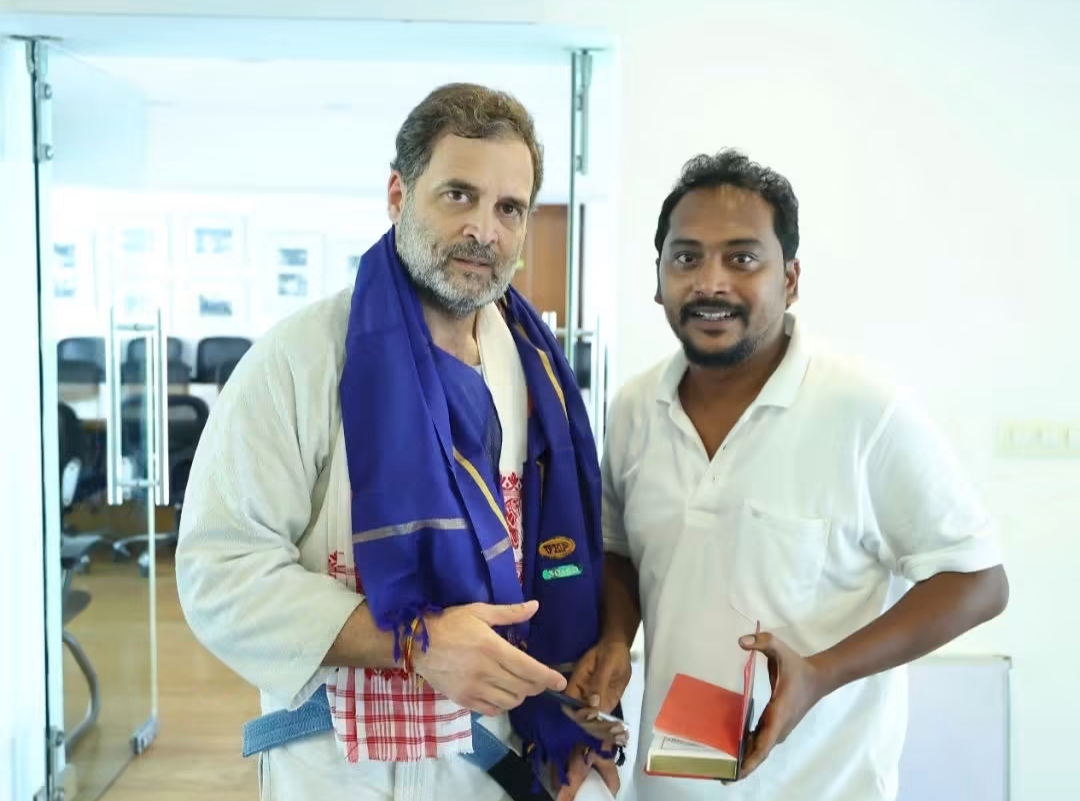
The report places particular focus on the Mahadevapura Assembly segment in Bengaluru Central, where Rahul Gandhi alleged in August 2025 that 1,00,250 voter entries were questionable. The controversy has drawn attention because BJP candidate P.C. Mohan won the Bengaluru Central Lok Sabha seat in the 2024 general election by a margin of 32,707 votes.
According to the report, the Congress-flagged entries fall into five categories: 40,009 questionable addresses, 33,692 alleged cases of Form 6 misuse, 11,965 duplicate registrations, 10,452 bulk registrations at single addresses and 4,132 entries with allegedly invalid photographs.
However, the report cautions that these figures represent entries flagged by the Congress and should not be treated as 1,00,250 proven fraudulent votes. Each category requires verification against original electoral records, registration histories and evidence of whether any unlawful votes were actually cast.
The document also examines the controversy surrounding Form 6, used for inclusion in electoral rolls, and the Election Commission’s Special Intensive Revision (SIR) exercise. It records Rahul Gandhi’s allegations concerning changes to the Form 6 process, alongside the Election Commission’s response that the form itself was not changed and that a separate declaration was attached under the SIR order.
The report states that, as of October 12, 2026, the Supreme Court had clarified that it had neither approved nor rejected the validity of the new declaration and would examine the matter, which was listed for October 27. The report also discusses allegations concerning Form 7 applications seeking voter deletions in Karnataka, noting that an interim stay on further investigation did not determine whether the alleged irregularities had occurred.
Beyond these controversies, the publication examines constitutional provisions governing elections, the Election Commission’s powers, the appointment and removal of Chief Election Commissioners, electoral-roll procedures, EVMs and Voter Verifiable Paper Audit Trail (VVPAT) safeguards, and possible legal remedies.
Prepared as a research and discussion document for political leaders and the public, the report calls for transparent scrutiny of disputed electoral records and accountability wherever misconduct is established.
Its central argument is that electoral irregularities must be investigated through verifiable evidence, while allegations must be distinguished from established legal findings. The report does not claim to have independently audited voter-level data or established criminal liability in the cases it examines.
More from Andhra Pradesh

Shree Cement unveils ₹7,000 crore investment plans for three cement plants in Andhra Pradesh

AP plans ₹25,000 crore space manufacturing ecosystem, secures major investments in rocket technology

Manchu Manoj named Andhra Yuva Sankalp 2K26 Ambassador; initiative reaches all 28 AP districts
More from Politics
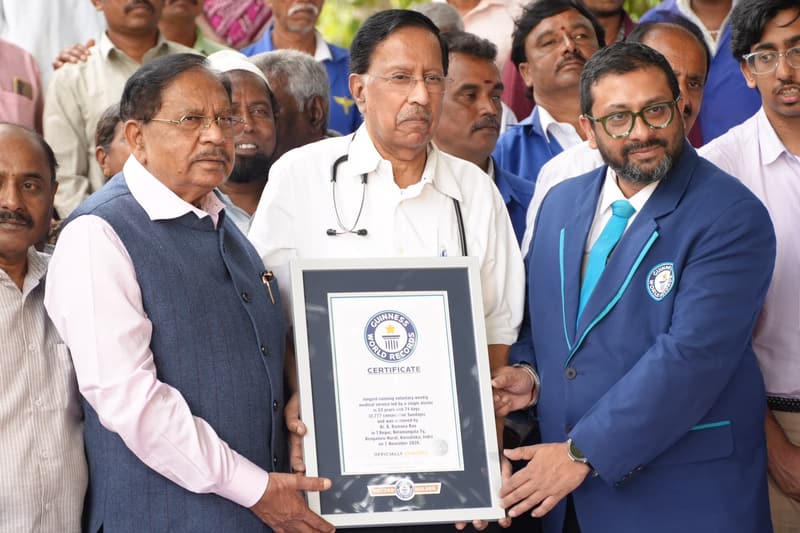
Padma Shri Dr B. Raman Rao enters Guinness World Records for treating over 33 lakh patients over 2777 Sundays
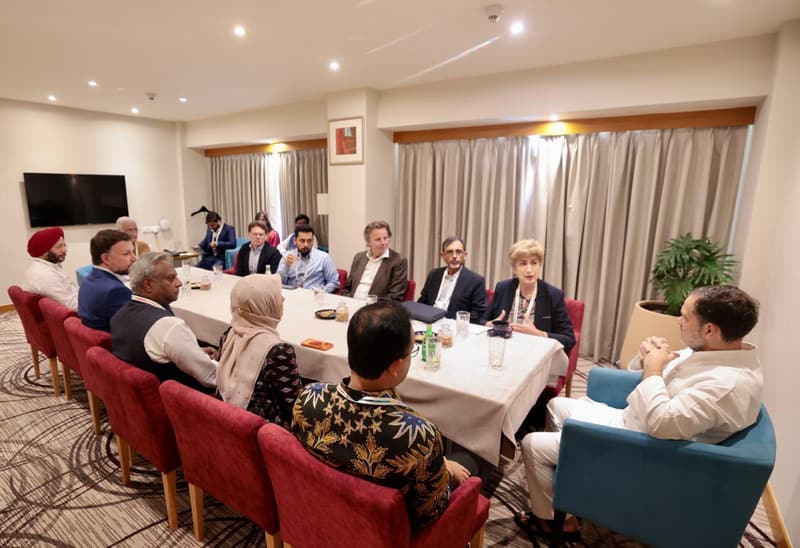
Rahul Gandhi calls for rethinking democracy and economic models amid growing influence of tech giants