WHO recognises Karnataka’s Asha Kirana initiative as a model for people-centred eye care
The World Health Organization (WHO) has recognised Karnataka’s Asha Kirana initiative as a successful model for integrating eye care into the public healthcare system, highlighting its efforts to prevent avoidable blindness and improve access to treatment.
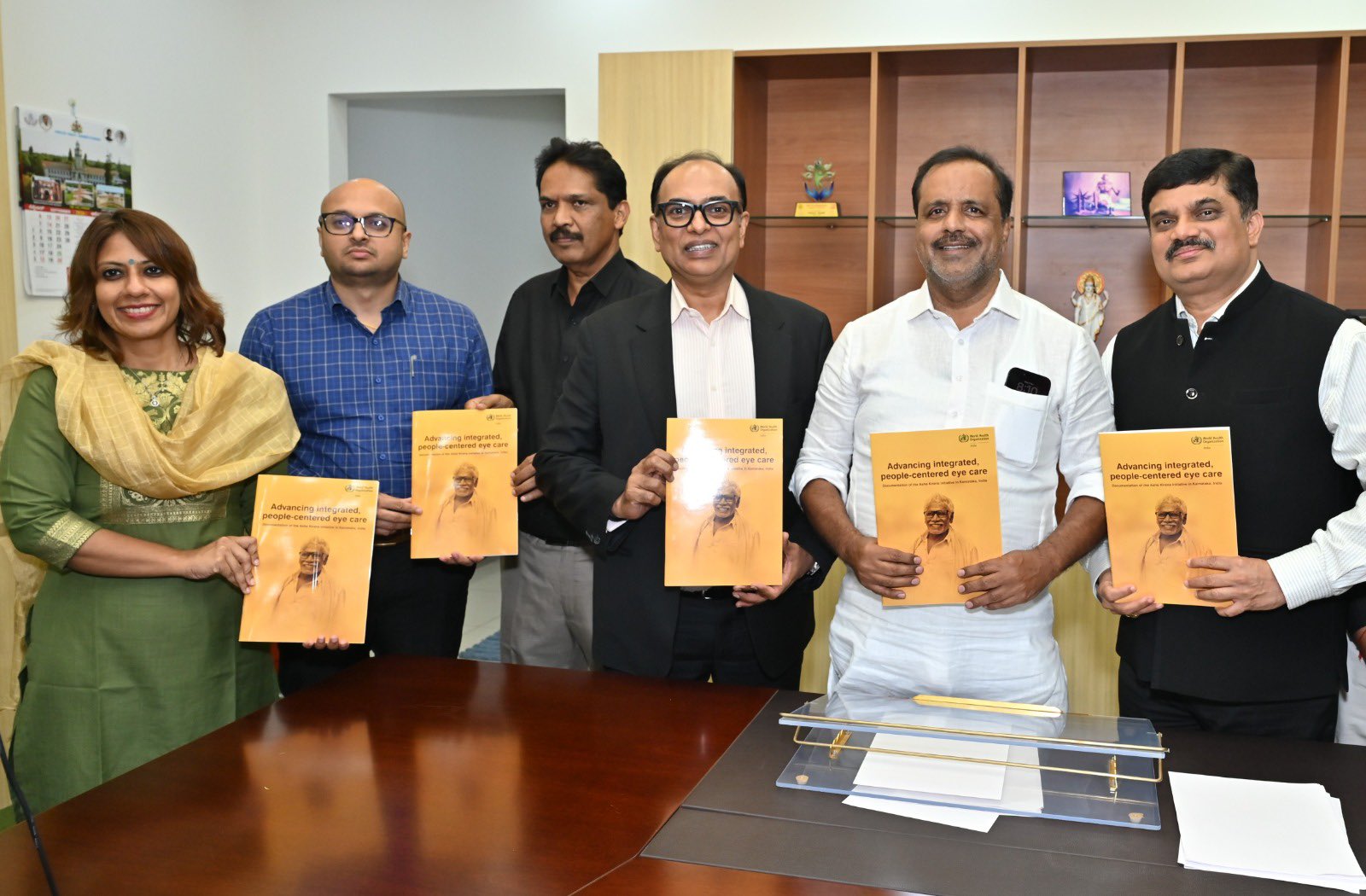
The recognition was highlighted on World Sight Day with the release of the WHO report Advancing Integrated, People-Centred Eye Care, which documents the programme’s approach to delivering eye care through community-level screening and public health facilities.
Asha Kirana focuses on addressing two leading causes of avoidable vision loss: uncorrected refractive errors and cataracts. Through door-to-door screening, Accredited Social Health Activists (ASHA) and other health workers identify people who need eye care and connect them with free spectacles, medical treatment and cataract surgery.
According to the programme figures shared by the Karnataka government, Asha Kirana has delivered 2.2 crore primary eye screenings, distributed 8.5 lakh free spectacles and facilitated 8.61 lakh cataract surgeries across the State.
A key component of the initiative is the establishment of 393 Drishti Kendras, or vision centres, as part of Karnataka’s public health infrastructure.
Located in community health centres, taluk hospitals and district hospitals, these centres provide access to primary eye care closer to local communities. They are linked to secondary healthcare facilities for cataract surgery and the management of more complex eye conditions.
The network is intended to reduce barriers to treatment, particularly for people in rural and underserved areas, while improving continuity of care within the public healthcare system.
The Karnataka government said the programme demonstrates how community-based screening, referral systems and accessible treatment facilities can work together to reduce preventable vision loss.
The initiative’s recognition by WHO could also help inform similar programmes in other regions seeking to integrate eye care into their public health systems.
The government acknowledged the contribution of doctors, ASHA workers and other health personnel involved in delivering the programme, reiterating its goal of moving towards a blindness-free Karnataka.
More from Karnataka
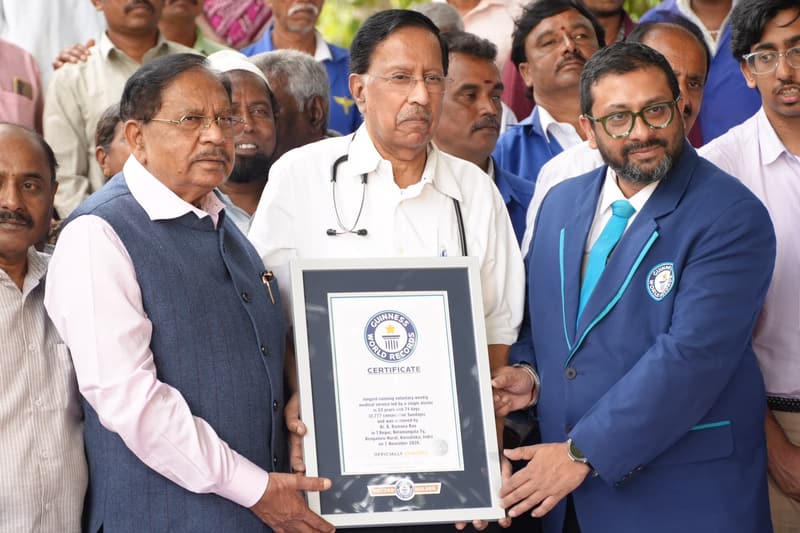
Padma Shri Dr B. Raman Rao enters Guinness World Records for treating over 33 lakh patients over 2777 Sundays

Karnataka CM Shivakumar inaugurates community hall with modern gym, badminton court in Bengaluru

BDA Chairman N.A. Haris joins citizens in Bengaluru Park cleanliness drive, calls for a green movement
More from Dakshin
Padma Shri Dr B. Raman Rao enters Guinness World Records for treating over 33 lakh patients over 2777 Sundays

Shree Cement unveils ₹7,000 crore investment plans for three cement plants in Andhra Pradesh