Why Tamil Nadu opposed Navodaya Schools ?
Tamil Nadu's long-running opposition to Jawahar Navodaya Vidyalayas is rooted in the state's language policy and its broader debate with the Centre over education and federalism.
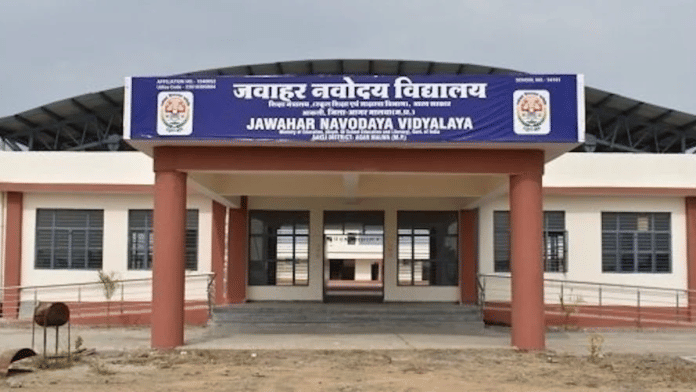
The issue has returned to the spotlight after the Supreme Court on September 17 directed Tamil Nadu to identify land in every district for establishing Navodaya schools, while asking the Centre and the state to resolve their differences through discussions.
Jawahar Navodaya Vidyalayas are centrally run, co-educational residential schools intended particularly to provide quality education to talented students, including those from rural areas. Admission is generally through an entrance examination for Class VI. The schools are funded by the Union government, while states are expected to provide land.
The central point of disagreement is language education. Navodaya schools follow a three-language framework involving the regional language, Hindi and English. Tamil Nadu, meanwhile, has traditionally followed a two-language policy centred on Tamil and English. The state has argued that introducing Navodaya schools in their existing form would conflict with this framework and provisions of the Tamil Nadu Tamil Learning Act, 2006.
Tamil Nadu's position has historical roots. Opposition to compulsory Hindi education dates back to 1937, when the then Madras Presidency introduced compulsory Hindi in certain schools. Large-scale anti-Hindi agitations followed, particularly during the 1960s, eventually helping shape the state's continued two-language approach.
The dispute is not limited to language. Tamil Nadu has also questioned the extent to which the Union can require a state to facilitate a centrally administered education scheme when the state believes it conflicts with its own laws and policies.
The Centre and supporters of Navodaya schools have emphasised the educational opportunities these institutions can provide, particularly to rural students. Tamil Nadu, however, maintains that its concerns involve language policy, state legislation and the constitutional division of responsibilities in education.
More from Tamil Nadu

Lakhs of devotees throng Tiruchendur for grand Soorasamharam festival; 4100 Police deployed

Tamil Nadu Governor Arlekar extends Kandha Sashti greetings, highlights spiritual significance of Soorasamharam
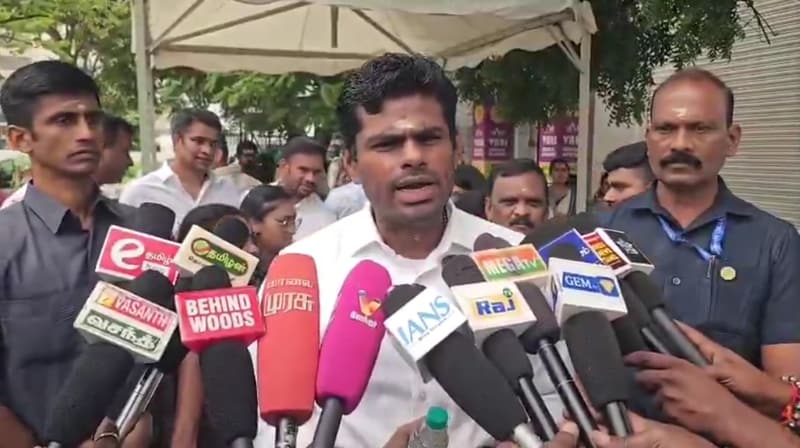
Annamalai slams Vijay Govt. over Thiruparankundram Deepam row; demands implementation of HC orders
More from Politics
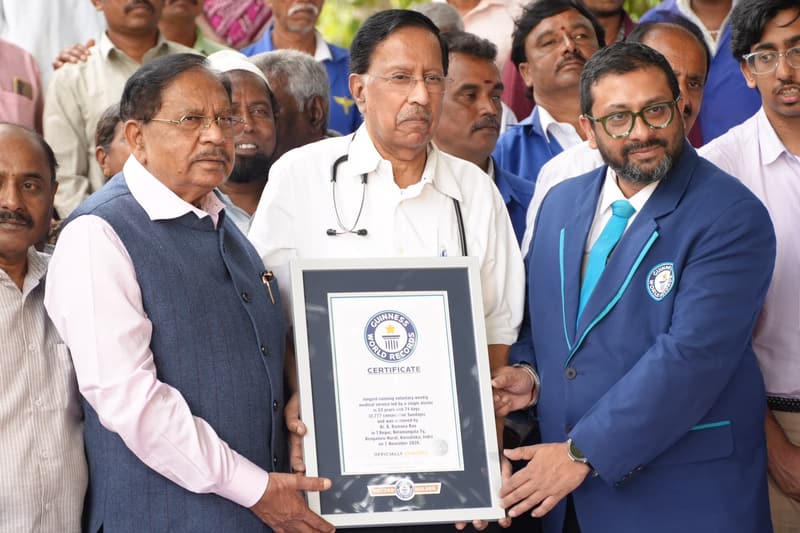
Padma Shri Dr B. Raman Rao enters Guinness World Records for treating over 33 lakh patients over 2777 Sundays
Rahul Gandhi calls for rethinking democracy and economic models amid growing influence of tech giants