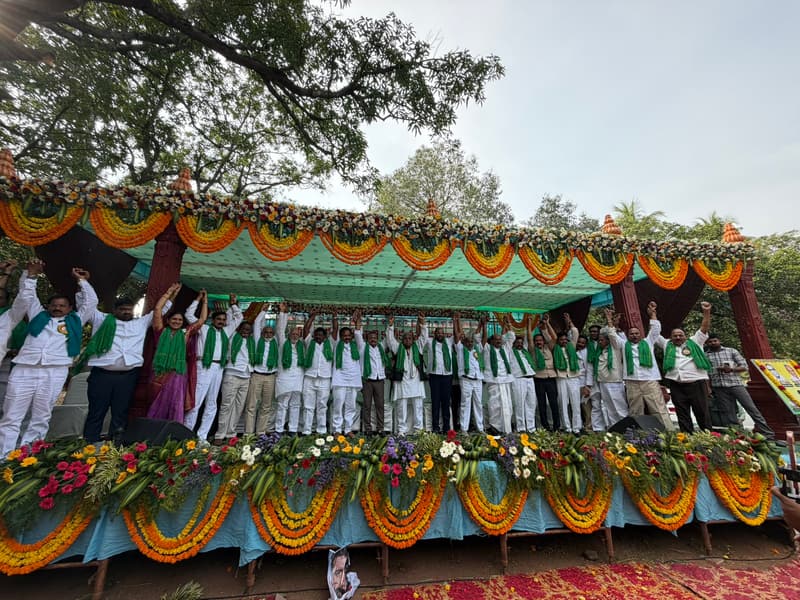
Y.S. Sharmila demands ₹30,000 per acre compensation for losses due to Cyclone Arnab
Andhra Pradesh Congress Committee (APCC) president Y.S. Sharmila Reddy has accused the Chandrababu Naidu-led coalition government of underestimating the damage caused by Cyclone Arnab and failing to adequately compensate affected farmers.
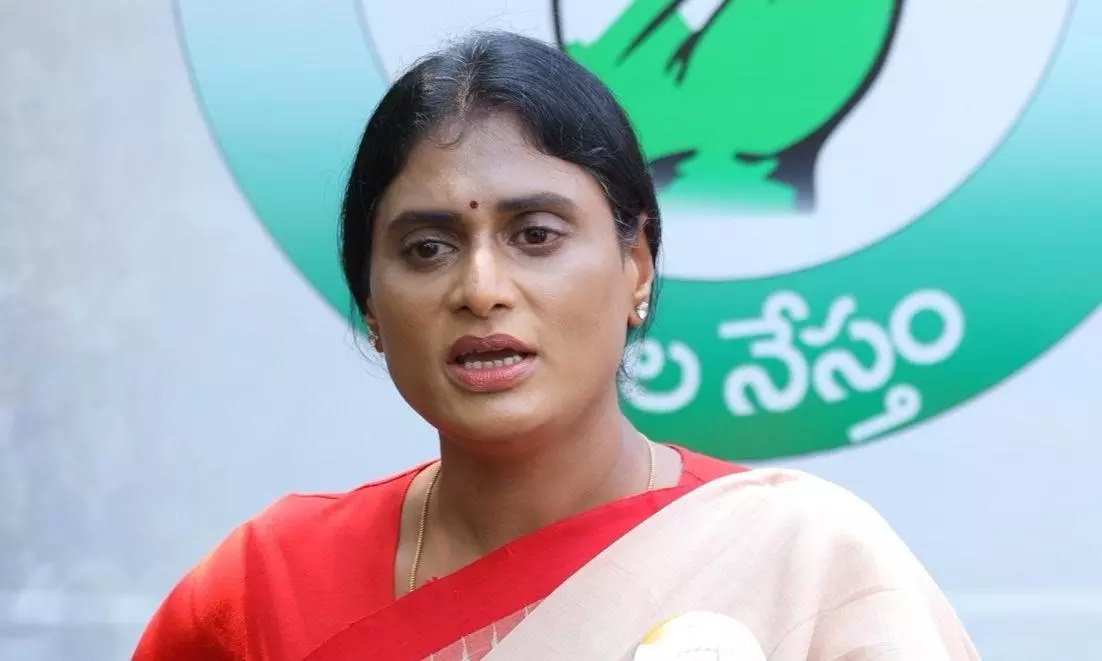
In a statement posted on social media, Sharmila said the cyclone had devastated farmers’ hopes just as their crops were nearing harvest. She alleged that the government’s official damage assessment of ₹4,600 crore was significantly lower than the actual losses on the ground, which she estimated at nearly ₹15,000 crore, including damage to agriculture, roads and other infrastructure.
According to her preliminary estimates, crop losses across all affected districts exceeded 15 lakh acres, including nearly 10 lakh acres of paddy. She further claimed that around seven lakh farmers had suffered complete crop losses.
Sharmila accused Chief Minister N. Chandrababu Naidu of making grand announcements without ensuring adequate relief for farmers. She also alleged that compensation promised to farmers affected by the earlier Cyclone Montha had not yet been fully disbursed.
The APCC chief placed a 10-point charter of demands before the coalition government. Key demands include compensation of ₹30,000 per acre for submerged paddy and other crops, ₹50,000 per acre for horticultural crops and aquaculture farmers, and recognition and protection of tenant farmers.
She also demanded that the government procure rain-damaged paddy at Minimum Support Price (MSP) directly from farmers’ fields, waive agricultural loans, provide free seeds and fertilisers for the upcoming rabi season, and waive interest on fresh loans taken by affected farmers.
Sharmila further sought compensation for fishermen affected along the coastline and urged the Chief Minister to secure additional assistance from the Centre if the State lacked sufficient funds.
Warning of a state wide agitation, she said the Congress would intensify its protest if the government failed to provide comprehensive relief and justice to affected farming communities.
More from Andhra Pradesh
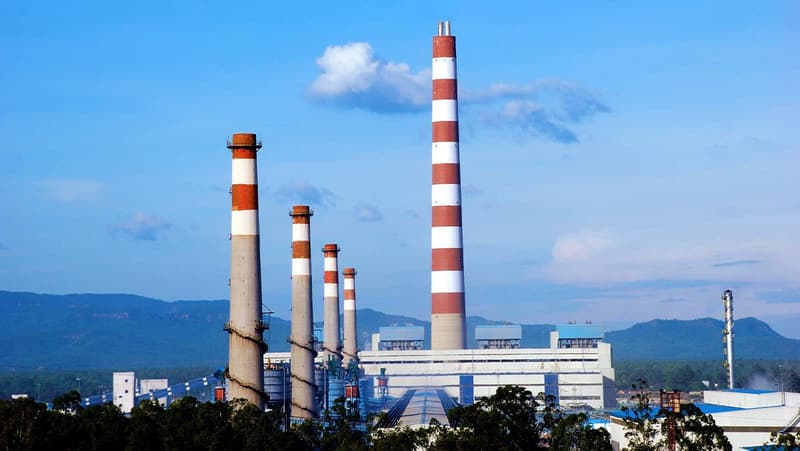
Shree Cement unveils ₹7,000 crore investment plans for three cement plants in Andhra Pradesh

AP plans ₹25,000 crore space manufacturing ecosystem, secures major investments in rocket technology

Manchu Manoj named Andhra Yuva Sankalp 2K26 Ambassador; initiative reaches all 28 AP districts
More from Politics
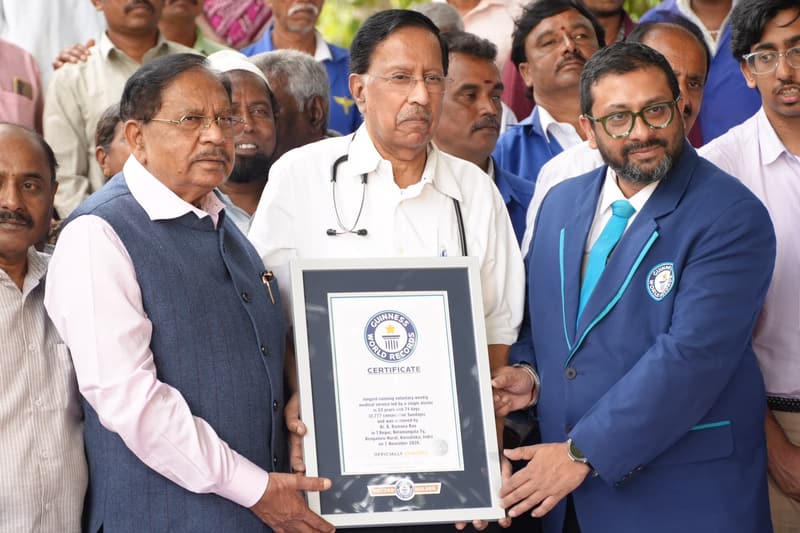
Padma Shri Dr B. Raman Rao enters Guinness World Records for treating over 33 lakh patients over 2777 Sundays

Rahul Gandhi calls for rethinking democracy and economic models amid growing influence of tech giants