Cardiothoracic surgeon questions ₹85,000 ‘Temple’ wearable, raises concerns over claims of measuring brain blood flow
A detailed critique by cardiothoracic and vascular surgeon Dr Sudipto Bhattacharya has raised questions about the scientific validity of the ₹85,000 wearable device ‘Temple’, developed by entrepreneur Deepinder Goyal, particularly its claims of measuring brain blood flow and tracking brain health.
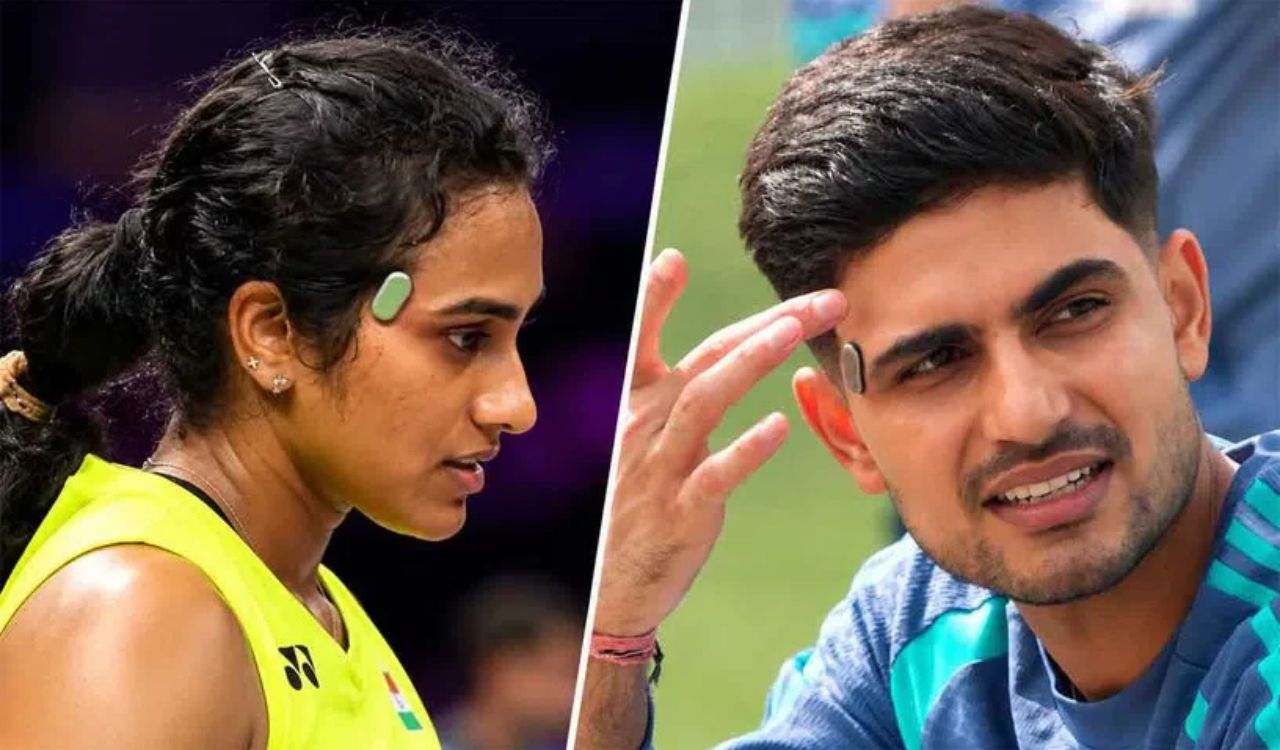
The criticism comes after cricketer Shubman Gill and badminton star P.V. Sindhu were seen wearing the device, drawing public attention to the wearable and its potential applications.
In his statement, Dr Bhattacharya argued that the device's use of photoplethysmography (PPG), a light-based technology also used in smartwatches, raises questions about whether it can accurately measure cerebral blood flow through a sensor placed on the temple.
He explained that the superficial temporal artery supplies blood to the scalp and surrounding tissues, while the brain receives its blood supply primarily through the internal carotid and vertebral arteries. He questioned how a sensor measuring blood flow near the skin could reliably establish what is happening inside the brain.
The surgeon also cautioned against equating changes in scalp blood flow with changes in cerebral blood flow, pointing out that factors such as exercise, emotions and caffeine consumption can affect blood circulation near the skin. He said the brain has autoregulatory mechanisms that help maintain relatively stable blood flow.
Dr Bhattacharya further questioned the scientific validation behind the device, referring to what he described as an unpublished, company-funded preprint involving only 23 healthy volunteers. He argued that such preliminary research should not be presented as conclusive clinical validation.
He also raised concerns about the device's proprietary 'Entropy' score, which is presented as an indicator related to ageing and health. According to him, there is insufficient evidence to establish it as a validated medical biomarker for predicting longevity, ageing or brain health.
While clarifying that he was not opposed to technological innovation or Indian health-tech entrepreneurs, Dr Bhattacharya called for independent clinical studies, peer-reviewed research and appropriate regulatory clearances before making health-related claims.
He warned that the biggest risk could be false reassurance, with users relying on device readings instead of seeking medical attention for symptoms that may require professional evaluation.
Emphasising the need for evidence-based innovation, he challenged the company to make its research and validation data available for independent scrutiny by medical experts.
“Because the temple is not the brain. And a scalp signal is not BrainFlow,” he said, summarising his objection to the device's central claims.
More from Beyond Dakshin
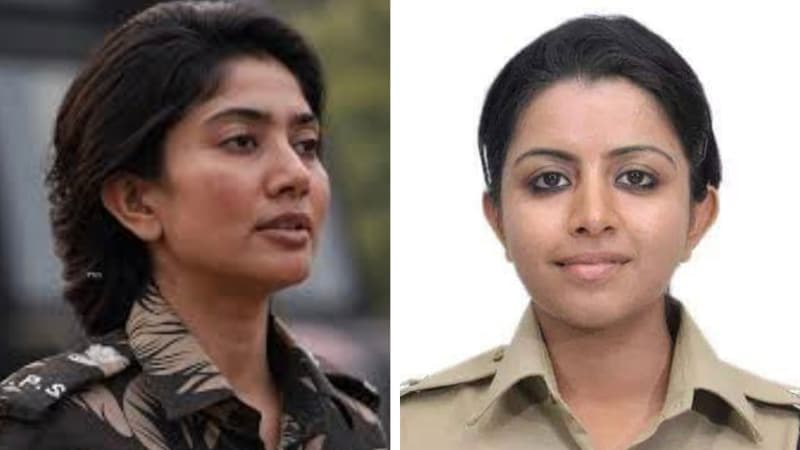
Sai Pallavi cuts her hair for ‘OM’, takes inspiration from IPS officer Merin Joseph; mother reacts in shock
Mahesh Babu–Rajamouli’s ‘Varanasi’ eyes record ₹290 crore Telugu States deal, set to surpass ‘RRR’