Hyderabad-based WiSig Networks develops indigenous 32TR massive MIMO Radio for 5G
WiSig Networks, an IIT Hyderabad-incubated technology company, has developed an indigenous 32-transceiver (32TR) Massive Multiple-Input Multiple-Output (MIMO) radio designed for next-generation 5G telecommunications infrastructure.
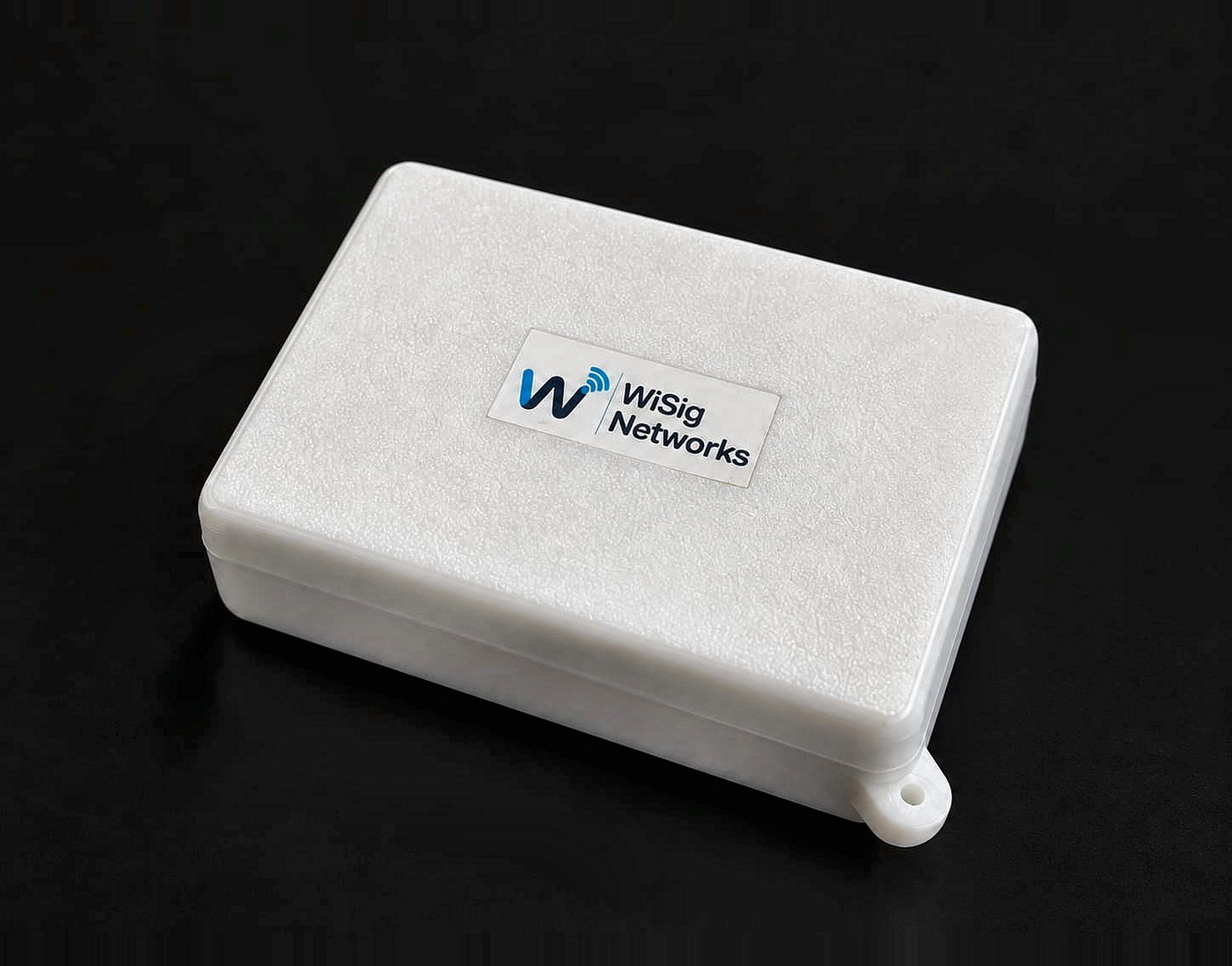
The development marks a step towards strengthening India’s domestic telecom equipment ecosystem, with the Hyderabad-based company translating research into a product intended for commercial deployment.
Massive MIMO technology uses multiple antenna elements to transmit and receive data simultaneously, helping mobile networks improve capacity, coverage and spectral efficiency. The 32TR radio developed by WiSig Networks is designed to enhance network coverage and uplink performance while addressing limitations associated with existing radio systems.
The company has reportedly secured commercial orders for the product, with bulk shipments planned for 2027. The orders could mark an important transition from product development to commercial-scale manufacturing, although further details about customers, order volumes and manufacturing capacity have not been disclosed.
WiSig Networks’ development highlights the role of academic research and technology incubation in creating indigenous telecommunications products. IIT Hyderabad has supported the company’s evolution from research-led innovation towards commercial applications.
India’s telecom equipment sector has been seeking to expand domestic capabilities in critical network components, including radios, antennas and other hardware required for 5G deployment. Developing such products locally can help reduce dependence on imported equipment and create opportunities for Indian companies in the global telecom supply chain.
For Hyderabad, the development adds to the city’s expanding technology ecosystem, which includes research institutions, engineering talent, startups and established technology companies.
With commercial shipments targeted for 2027, the next milestone will be the product’s deployment at scale and its performance in operational networks. If successful, the technology could strengthen India’s capabilities in designing and manufacturing advanced telecom infrastructure.