Hyderabad's RGI Airport upgrades runway lighting to reduce fog-related flight delays
Rajiv Gandhi International Airport (RGIA) has commissioned advanced Category III (CAT III) Airfield Ground Lighting (AGL) capability on Runway 09R, strengthening its ability to handle aircraft operations during extremely low-visibility conditions and reduce weather-related flight delays and diversions
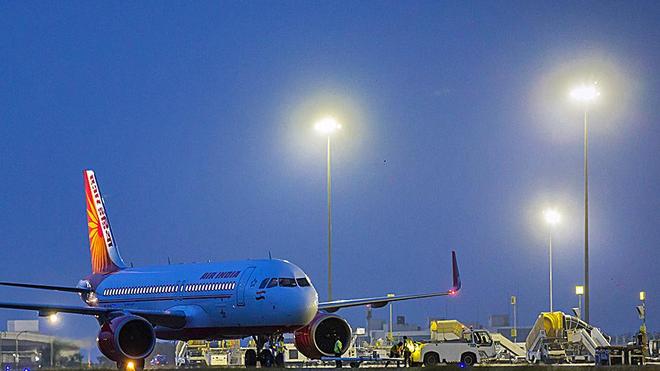
The upgrade, commissioned by GMR Hyderabad International Airport Limited (GHIAL) on November 10, marks a transition from CAT II to CAT III capability on the runway. The enhanced infrastructure is expected to be particularly beneficial during the winter fog season, when reduced visibility can disrupt aircraft take-offs and landings.
As part of the upgrade, the airport has installed CAT III-compliant runway lighting, advanced monitoring systems and Stand Manoeuvring Guidance Lights (SMGL). The guidance lighting will help pilots manoeuvre aircraft safely on the airfield, particularly when visibility is poor.
The airport has also introduced an indigenously developed Programmable Logic Controller (PLC)-based Supervisory Control and Data Acquisition (SCADA) system. It enables centralised monitoring and control of airfield lighting infrastructure from the Airport Predictive Operation Centre (APOC), improving operational oversight and efficiency.
The new capability is expected to improve flight schedule reliability, minimise weather-related cancellations and diversions, and help airlines maintain operational continuity during adverse weather conditions. Hyderabad airport handles more than 550 flight movements on an average day, making operational reliability particularly important for passengers and airlines.
GHIAL Chief Executive Officer Kadhir Kadhiravan said the commissioning of CAT III capability was an important step towards developing Hyderabad airport into a future-ready, all-weather aviation hub. He said the investment in advanced infrastructure and technology would strengthen safety, operational efficiency and passenger experience.
The latest enhancement is aimed at making flight operations more resilient during periods of poor visibility, particularly in the coming winter months, when fog can affect airport operations.