ICAR-IIHR technology give South Indian mango exports a major boost
A new post-harvest treatment developed by the ICAR-Indian Institute of Horticultural Research (ICAR-IIHR), Bengaluru, could help South Indian mango exporters reduce quarantine treatment time while protecting fruit quality during international shipments.
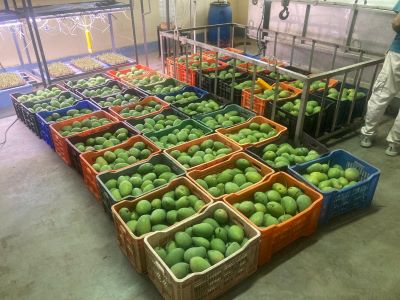
The technology combines a single hot-water treatment with a salt-water dip to tackle two major post-harvest problems — fruit-fly infestation and anthracnose, a fungal disease that can cause significant spoilage.
Under the newly standardised protocol, mature green mangoes are immersed in 55°C hot water for 20 minutes, followed by a 30-minute dip in 5% salt water. ICAR-IIHR said the treatment effectively controls both fruit flies and anthracnose without causing the internal breakdown previously observed in Alphonso mangoes under longer treatments.
The protocol has been tested on Alphonso, Banganapalli and IIHR hybrids Arka Uday and Arka Suprabhat. If approved by the Directorate of Plant Protection, Quarantine & Storage, the treatment could potentially reduce the quarantine hot-water treatment period by about one-third.
The technology has already demonstrated export potential. ICAR-IIHR facilitated the shipment of 1.2 tonnes of Banganapalli mangoes from India to Brunei on June 25, 2026, using the new treatment. The buyer reportedly confirmed that the consignment arrived in good condition, without fruit-fly or anthracnose problems.
The development comes at a time when India is seeking to expand its fresh mango exports. APEDA data shows that India exported 31,819.46 tonnes of fresh mangoes worth $53.99 million in 2025–26, with the UAE, UK, USA, Kuwait and Canada among the major destinations.
For mango-growing regions of Andhra Pradesh, Karnataka, Telangana and other southern States, improved post-harvest treatment could help reduce losses, preserve quality and strengthen the competitiveness of Indian mangoes in overseas markets.
More from Karnataka
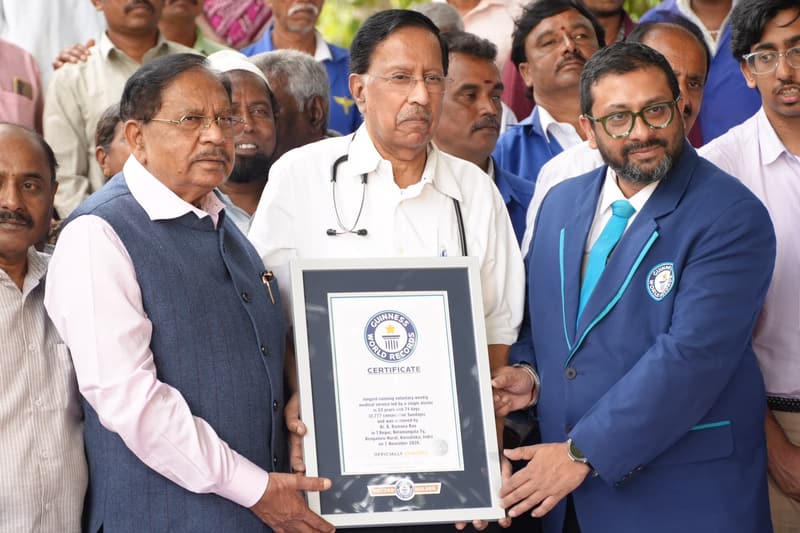
Padma Shri Dr B. Raman Rao enters Guinness World Records for treating over 33 lakh patients over 2777 Sundays
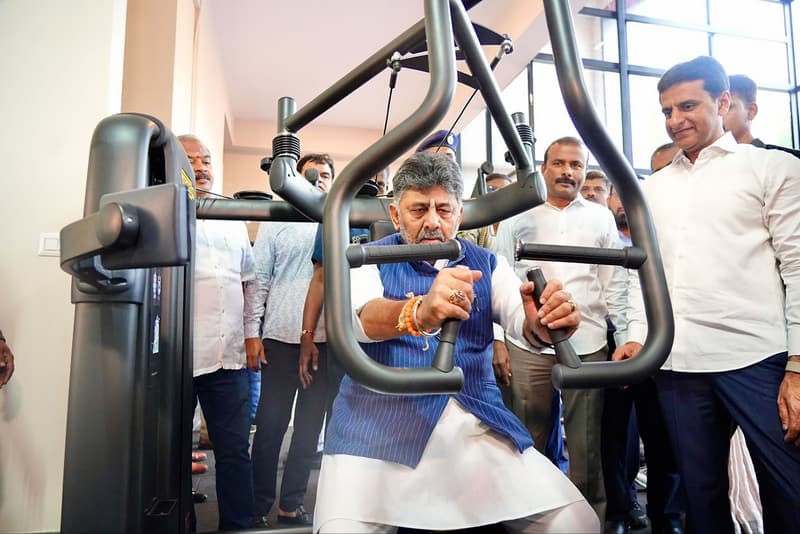
Karnataka CM Shivakumar inaugurates community hall with modern gym, badminton court in Bengaluru