South India need own Air Quality Commission: Study
South India may require a dedicated regional institution on the lines of the Commission for Air Quality Management (CAQM) in Delhi-NCR to tackle air pollution that increasingly crosses State boundaries, according to a study by Bengaluru-based Centre for Study of Science, Technology and Policy (CSTEP).
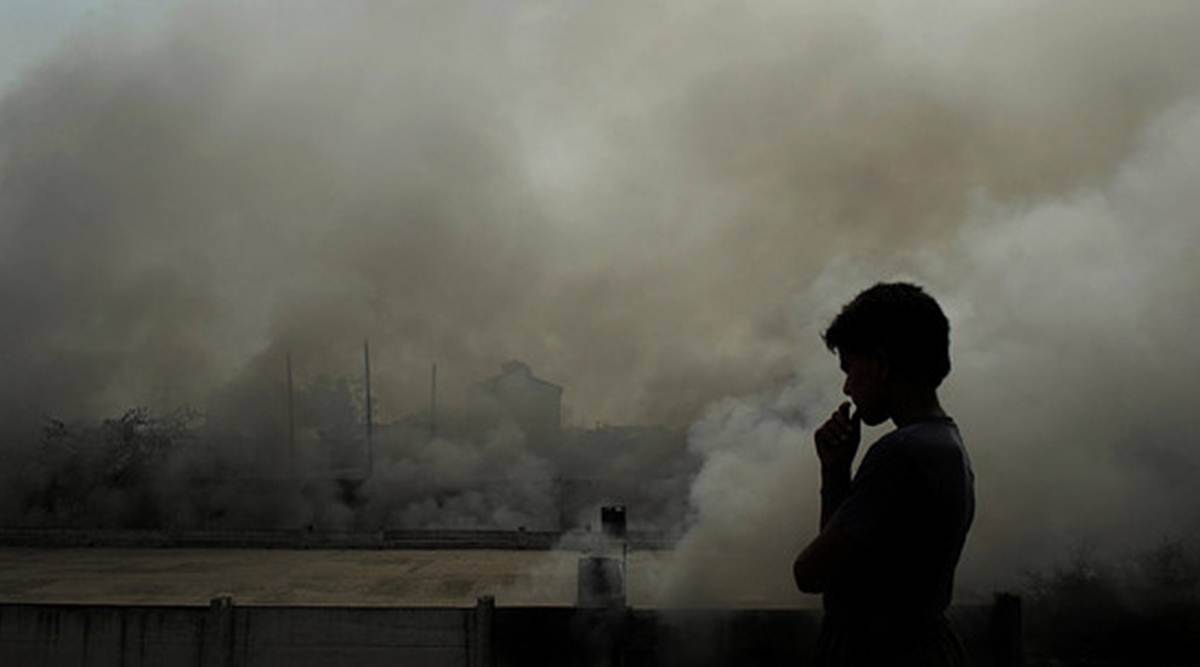
The study, Governance Framework for Airshed-Level Air Quality Management in South India, examined pollution movement across Tamil Nadu, Karnataka, Kerala, Andhra Pradesh and Telangana and argued that pollution cannot be effectively managed through State-wise action alone.
According to the study, between 38% and 65% of annual average pollution in the five-State region originates within the South Indian airshed. The local contribution varies considerably: 38% in Telangana, 44% in Andhra Pradesh, 47% in Karnataka, 61% in Tamil Nadu and 65% in Kerala. The remaining pollution is transported from outside the region.
CSTEP has proposed a phased institutional framework for regional cooperation, including a shared air-quality monitoring dashboard and a Peninsular Air Quality Response Protocol to coordinate seasonal responses across States.
The study also recommends coordinated measures covering households, industry, energy and transport. These include cleaner cooking options, a common industrial-fuel framework, stronger enforcement of emission standards, common electric-vehicle targets and phased retirement of older vehicles.
The proposal gains added significance following a National Green Tribunal observation that air pollution transcends administrative boundaries and requires a regional or airshed-based approach. The Tribunal directed the Environment Ministry and CPCB to establish an appropriate institutional mechanism for regional coordination among southern States.
Unlike Delhi-NCR, where CAQM has statutory authority across State boundaries, South India currently lacks a comparable regional body.
The study argues that coordinated action could help the five States address shared pollution sources more efficiently and move towards a common, data-driven clean-air strategy.
More from Karnataka
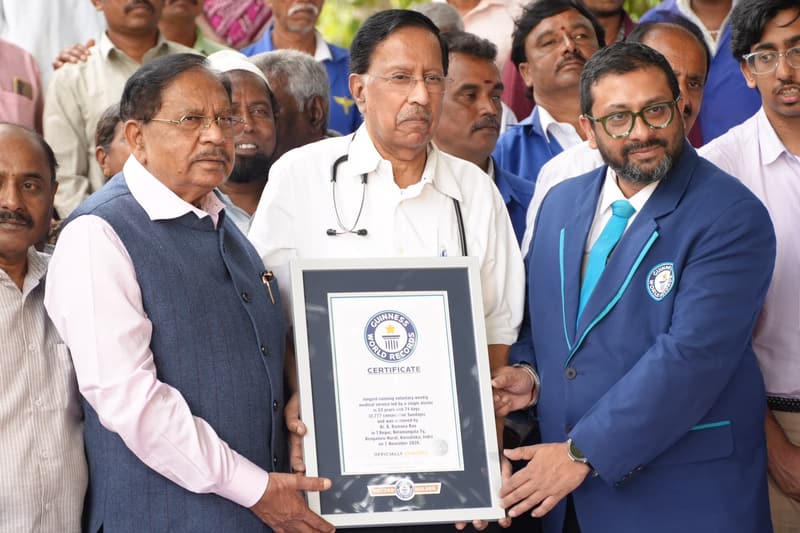
Padma Shri Dr B. Raman Rao enters Guinness World Records for treating over 33 lakh patients over 2777 Sundays

Karnataka CM Shivakumar inaugurates community hall with modern gym, badminton court in Bengaluru