Tamil Nadu’s GCC boom gains momentum as Chennai attracts new sectors and high-value jobs
Tamil Nadu is witnessing renewed growth in Global Capability Centres (GCCs), with multinational companies expanding existing operations and establishing new centres in Chennai and other cities. The trend reflects growing demand for skilled technology professionals and the state’s efforts to attract high-value global business operations.
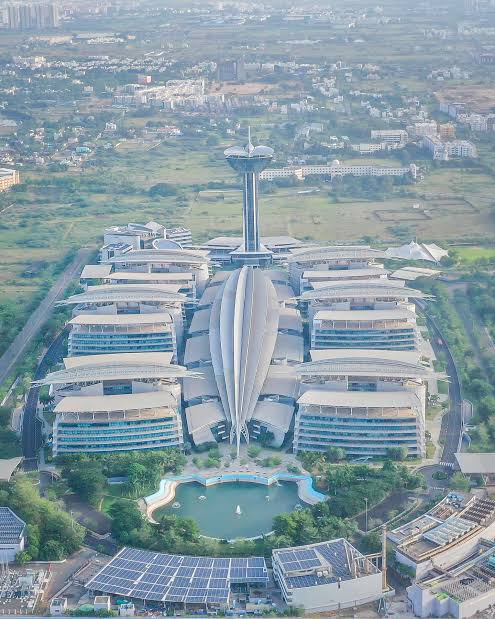
GCCs, which were traditionally associated with back-office support, are increasingly taking on advanced responsibilities such as artificial intelligence (AI), product development, data analytics, engineering and research and development. Companies are now looking to India-based teams to build technology platforms and contribute directly to global business strategy.
Chennai’s established talent pool in mathematics, data science, software engineering and manufacturing-related technologies is among the factors attracting companies. The city’s industrial ecosystem also offers opportunities to connect technology operations with manufacturing, engineering and research facilities.
Recent developments include plans by Starbucks and Walgreens to establish GCCs in Chennai. Other companies are expanding their technology and engineering operations, adding to the city’s growing role in global business services. These investments are expected to generate skilled employment opportunities, although job creation will vary by project.
While Chennai remains the principal destination, Coimbatore is also emerging as a potential growth centre for GCCs. Its engineering talent, industrial base and established educational institutions could help attract more technology and specialised business operations.
The state is also looking to extend GCC development into newer sectors, including electronics, semiconductors, defence, renewable energy, space and medical devices. Integrating capability centres with manufacturing and research facilities could help companies develop products, protect intellectual property and accelerate innovation.
To support expansion, Tamil Nadu has proposed dedicated GCC development corridors along the Pallavaram–Thoraipakkam Radial Road, Mount–Poonamallee High Road and Rajiv Gandhi Salai, also known as Old Mahabalipuram Road.
The growing adoption of AI is changing the nature of work handled by these centres. Rather than limiting their role to routine processes, companies increasingly expect GCC teams to develop digital products, lead technology programmes and manage specialised functions for global operations.
This shift could strengthen Tamil Nadu’s position in the global technology ecosystem while creating opportunities for professionals with advanced skills. However, sustained growth will depend on talent development, infrastructure, business support and the availability of specialised expertise.
The emerging GCC wave presents Tamil Nadu with an opportunity to deepen its participation in global value chains and attract higher-value investment, with Chennai and Coimbatore positioned to play complementary roles in the state’s technology-led growth.
More from Tamil Nadu

Lakhs of devotees throng Tiruchendur for grand Soorasamharam festival; 4100 Police deployed

Tamil Nadu Governor Arlekar extends Kandha Sashti greetings, highlights spiritual significance of Soorasamharam